
Nvidia's big bet on physical AI aims for safer robotaxis, humanoid robots
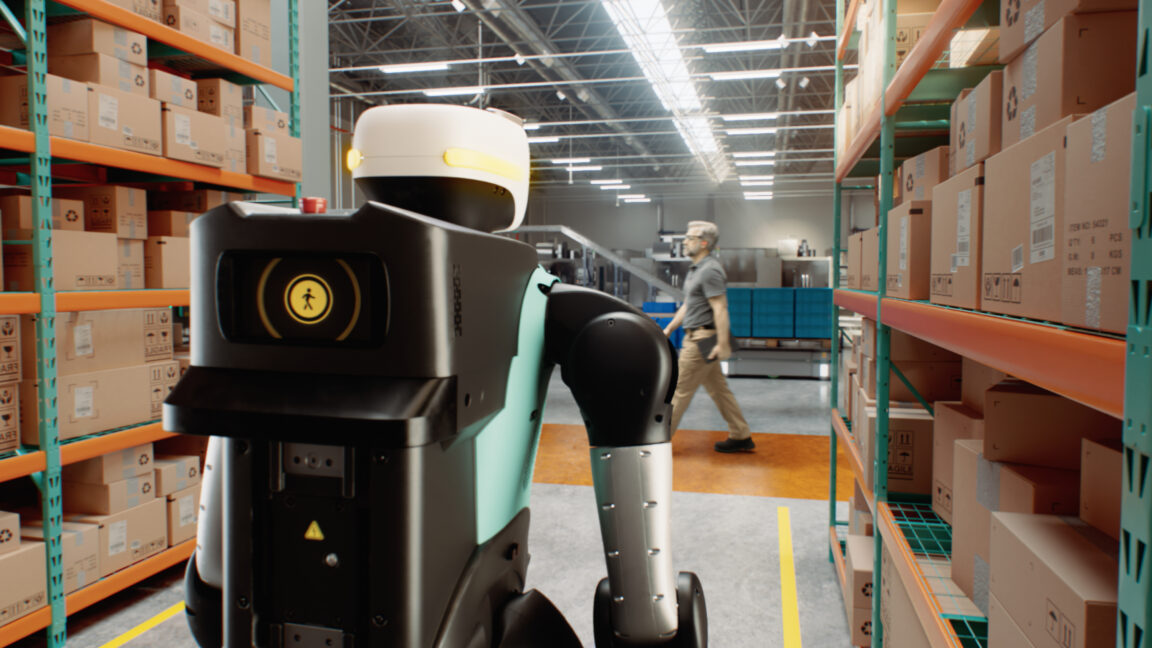
Nvidia is expanding its investment beyond data center AI, focusing heavily on physical AI technologies including robotics and autonomous vehicles. The company recently introduced 'Nvidia Halos for Robotics,' an extension of its 2025 safety architecture designed to provide developers with essential hardware and software guardrails. This initiative aims to mitigate risks associated with autonomous systems, such as robotaxis, warehouse mobile robots, and humanoid machines operating in industrial environments. Amit Goel, head of robotics ecosystem and edge computing at Nvidia, identified safety as the primary bottleneck for the next generation of capable AI-driven hardware. By providing a full-stack safety system, Nvidia intends to accelerate the deployment of autonomous machines in complex, human-populated environments. This strategic move underscores the company's commitment to ensuring that as AI and robotic hardware capabilities advance, the safety protocols necessary for widespread commercial adoption keep pace.
This is a summary. Read the full article at the original source:
Ars TechnicaRelated stories

A recent report from MIT Technology Review highlights the growing gap between the hype surrounding humanoid robots and the reality of their current ca…

This $1599 smart monitor robotic arm has its own built-in PC, and its 27-inch 4K display will follow you around
The CyboPal ONE is a new Kickstarter-funded device that mounts a 27-inch 4K, 160Hz display onto a six-axis robotic arm. Designed to improve ergonomics…

HiPHI: A Large-Scale Benchmark for High-Precision Human Motion and Object Interaction
A new white paper introduces HiPHI, a comprehensive large-scale motion capture dataset designed to address the data scarcity currently hindering human…