
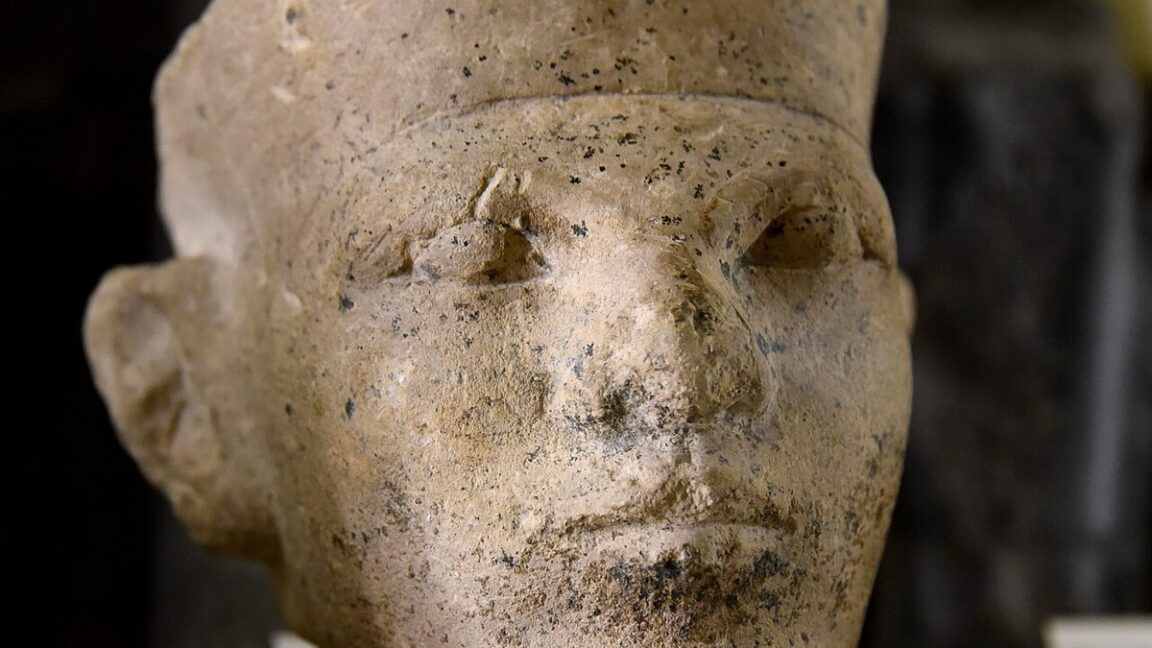
A new study published in Frontiers in Environmental Archaeology provides fresh insights into the long-standing debate regarding human sacrifice in ancient Egypt. Bioarchaeologist Roselyn Campbell of Purdue University re-examined skeletal remains from First Dynasty tombs originally excavated in the 1920s. By applying modern forensic techniques to this legacy data, the study found that over one-third of the analyzed skulls exhibit signs of blunt force trauma, supporting the theory of "retainer sacrifice," where servants or officials were killed to accompany pharaohs into the afterlife. Campbell emphasizes the importance of re-evaluating historical findings with modern scientific rigor, noting that previous interpretations were often influenced by colonial biases. While the fragmentary nature of older remains poses challenges, this research suggests that the practice of retainer sacrifice was more prevalent than some scholars previously argued, highlighting the need for continued objective analysis of archaeological collections.
This is a summary. Read the full article at the original source:
Ars TechnicaRelated stories

In this interview, Sir Roger Penrose, a distinguished mathematical physicist and Nobel laureate, discusses key aspects of his scientific research. Pen…

National Geographic has released a new seven-episode documentary series titled 'Africa: Earth's Wild Home,' which aims to explore the continent's dive…

A global network of particle detectors is providing unprecedented insights into the Earth's interior by measuring geoneutrinos. These elusive subatomi…