
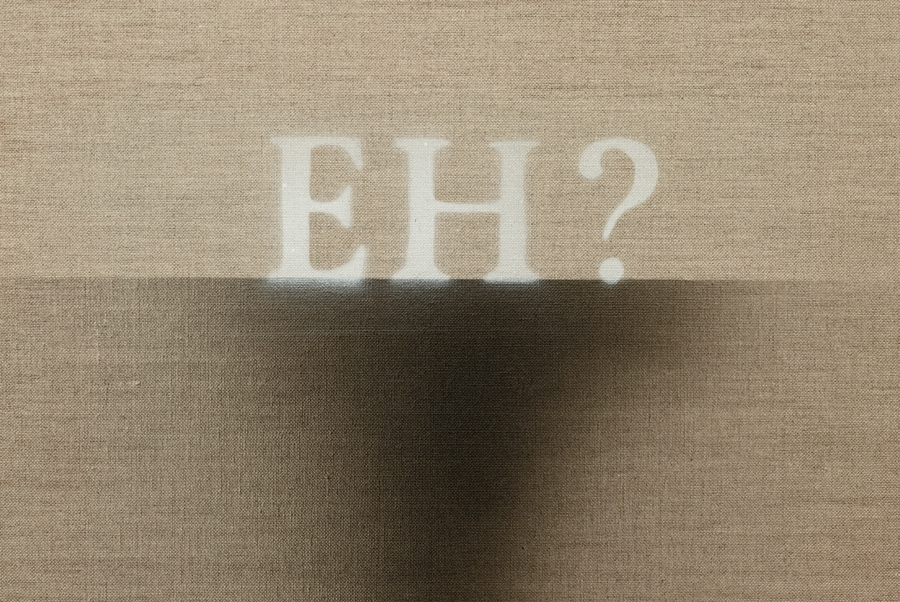
In this essay for The Yale Review, Tom McCarthy explores the profound connection between Herman Melville’s Moby-Dick and the modern experience of confronting the 'white page'—a metaphor for the void, the unknown, and the infinite possibilities of creation. McCarthy examines how Melville’s masterpiece serves as a foundational text for understanding the 'indefinite sublime,' a state where the sheer scale of information and existence overwhelms human perception. By analyzing the narrative structure and the symbolic weight of the white whale, the author draws parallels to contemporary challenges in literature and philosophy. The piece invites readers to consider how the act of writing and the pursuit of meaning in a digital age mirror the obsessive, often perilous quest of Captain Ahab. Ultimately, McCarthy suggests that the blank space is not merely an absence, but a complex, daunting presence that defines the limits of human expression and technological advancement.
This is a summary. Read the full article at the original source:
Hacker News (YC)Related stories

The Clay Mathematics Institute has issued a formal announcement regarding the Navier-Stokes existence and smoothness problem, one of the seven Millenn…

Despite the high launch cadence driven by SpaceX's Falcon 9, satellite operators continue to seek alternative launch providers to ensure market compet…

Researchers have introduced a new mathematical model to enhance traditional game theory by incorporating randomly varying rewards. While classic model…