
Microsoft's Maia 300 shifts focus to memory bandwidth, challenging Nvidia's AI dominance
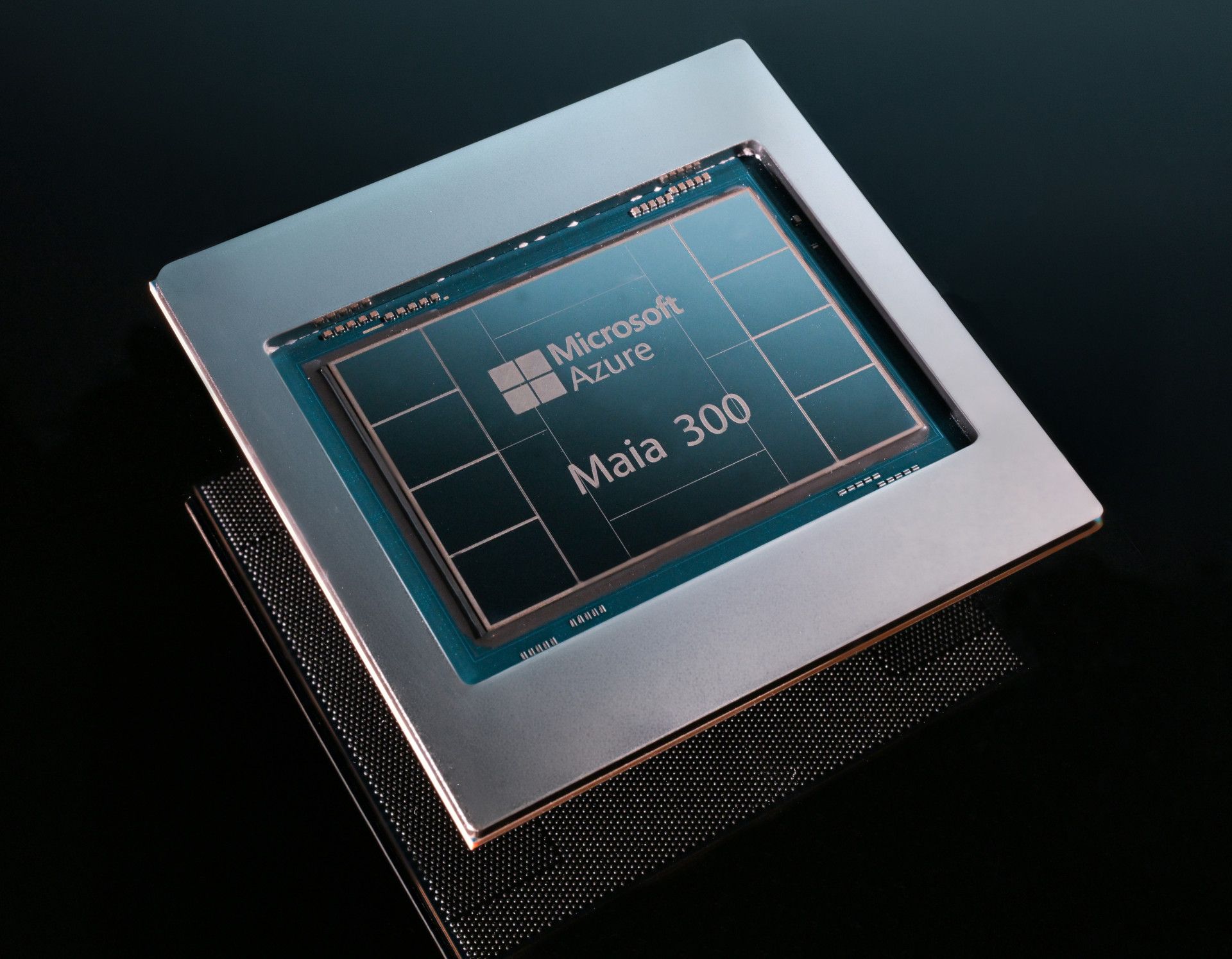
Microsoft has unveiled its upcoming Maia 300 AI accelerator, signaling a strategic pivot toward in-house silicon to power its multi-gigawatt Azure infrastructure by 2027. Rather than prioritizing raw compute, the Maia 300 focuses on a 2.5x increase in memory bandwidth, addressing the bottleneck of token-by-token inference in large language models. This move mirrors the vertical integration strategies of Google and Amazon, aiming to reduce reliance on Nvidia’s high-margin hardware. As hyperscalers increasingly develop their own chips, industry analysts are questioning the long-term sustainability of Nvidia’s current market dominance. With Microsoft positioning Maia as its primary inference engine, the company seeks to improve efficiency by 40% while insulating its operations from the rising costs of third-party AI hardware. This development highlights a broader industry trend where major cloud providers are transforming from Nvidia customers into direct competitors in the specialized AI silicon market.
This is a summary. Read the full article at the original source:
TechRadarRelated stories
The article explores the capabilities of Telegram's new feature that allows hosting bot code, databases, and Mini Apps directly on the platform. The a…

This Habr article explores the possibility of running a Kubernetes Pod without a full Kubernetes orchestrator. The author introduces Podman, a tool th…

How to watch Brentford vs Liverpool: Live streams and TV channels for Premier League 2026/27
Brentford is set to host Liverpool in a highly anticipated Premier League 2026/27 clash at the Gtech Community Stadium. Brentford enters the match in…