
Microplastics in water aren’t inert and make damaging chemicals on their own

A new study published in Nature challenges the long-held assumption that microplastics are chemically inert. Researchers at Columbia University, led by chemist Wei Min, utilized microdroplet chemistry to investigate how plastics interact with water. Their findings indicate that microplastics can generate reactive oxygen species (ROS)—harmful, oxygen-containing molecules capable of damaging DNA, lipids, and proteins. While the direct link between microplastics and human disease remains under investigation, this discovery suggests that these particles are more reactive than previously believed. By studying the boundary between water droplets and air, the team demonstrated that microplastics can trigger chemical reactions that potentially lead to cellular damage. This research marks a significant step in understanding the biological impact of microplastic pollution in drinking water, human blood, and tissues, highlighting the need for further study into the long-term health consequences of plastic degradation in the environment.
This is a summary. Read the full article at the original source:
Ars TechnicaRelated stories

The Liberty Bell, a symbol of American history, has remained silent for 180 years due to a significant crack. To mark the nation's 250th anniversary,…

Rocket Lab has officially confirmed that the inaugural flight of its medium-lift Neutron rocket has been postponed until 2027. The delay stems from on…
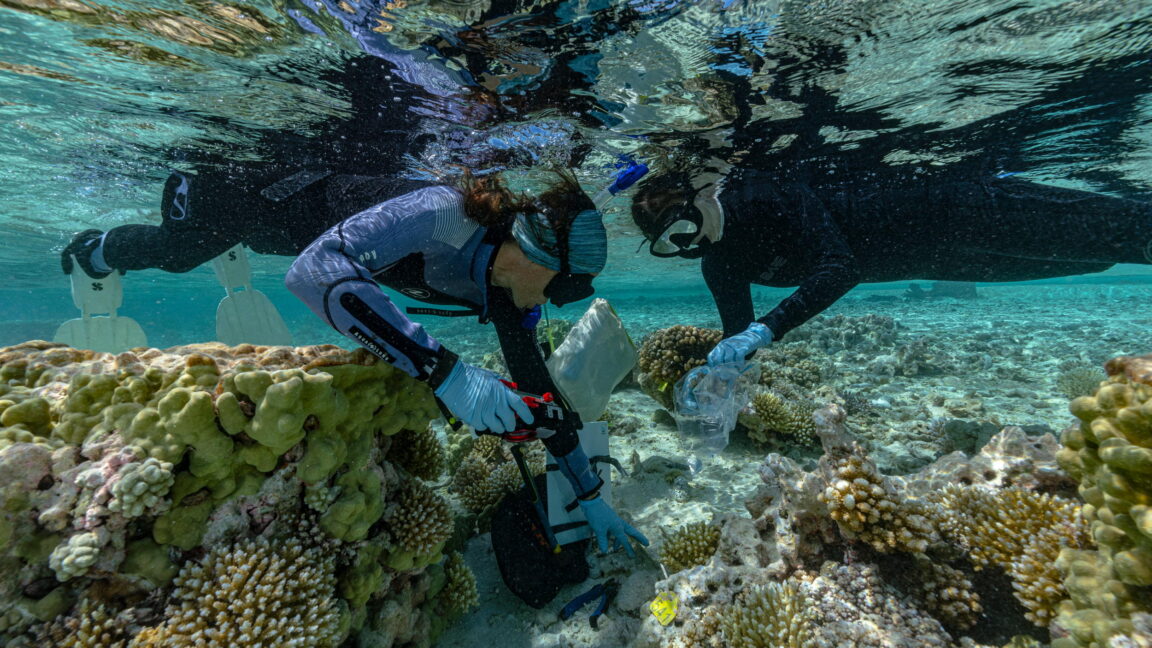
A new study published in Science Advances suggests that restoring natural ecosystems on tropical atolls may be key to their survival against rising se…