

The landscape of extended reality (XR) hardware is shifting as new devices enter the market, promising a more practical future for face computers. Xreal is preparing to launch its highly anticipated Aura glasses, priced at $1,279, positioning them as a premium competitor in the wearable space. Meanwhile, Meta continues to push its own vision for VR and AR integration with its recently announced hardware updates. This comparison explores how these two distinct approaches to XR glasses perform in real-world scenarios. While Xreal focuses on a specific form factor and display experience, Meta leverages its massive ecosystem and R&D capabilities to refine the user experience. As these devices become more refined and accessible, the industry is reaching a turning point where face computers are finally transitioning from experimental prototypes to viable consumer electronics. The competition between these manufacturers highlights the rapid evolution of wearable technology.
This is a summary. Read the full article at the original source:
WiredRelated stories
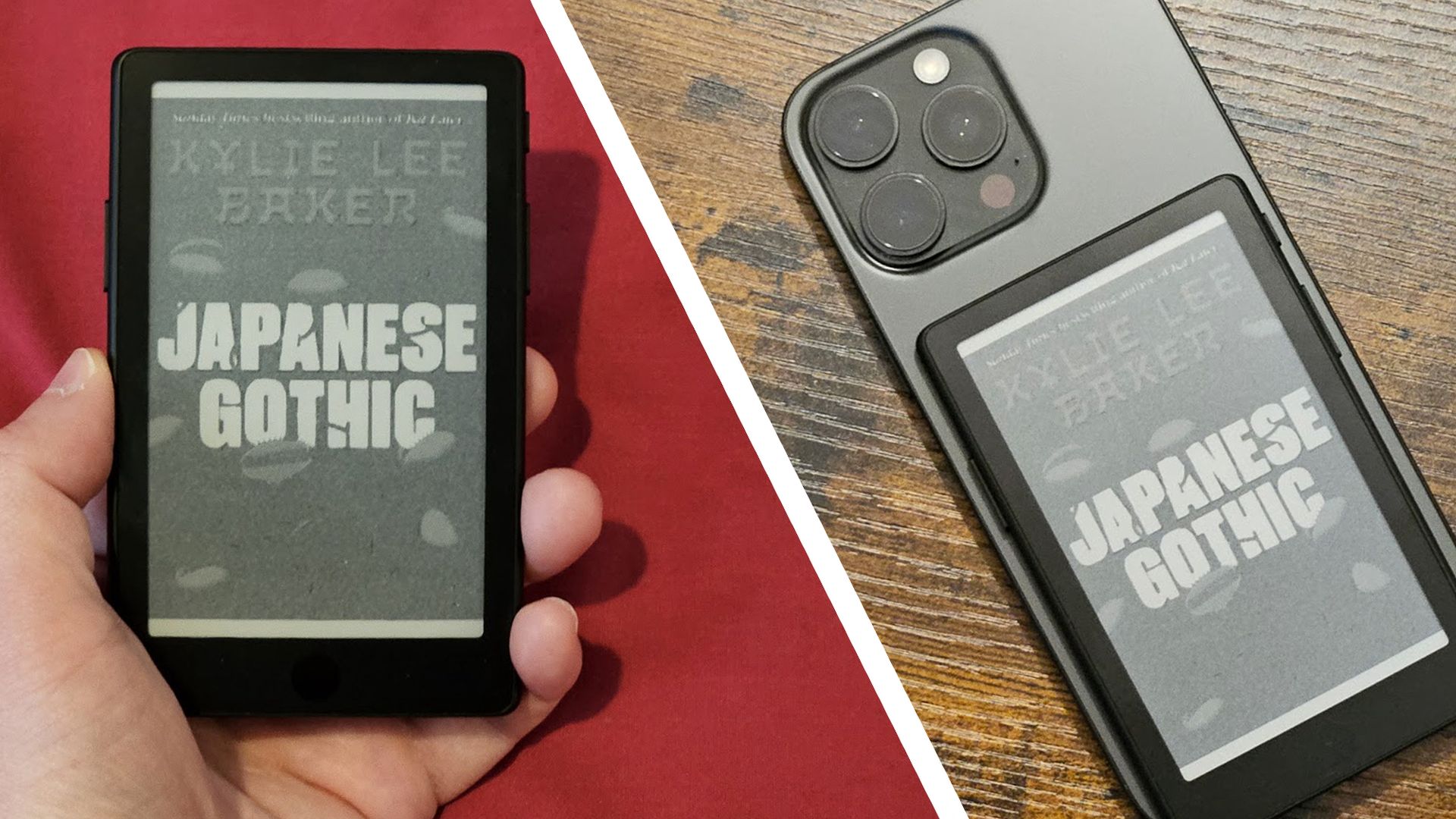
Consider Xteink E-readers as Compact Alternatives to Kindle This Prime Day
As Amazon Prime Day discounts arrive, shoppers are looking beyond standard Kindles to smaller, niche e-reader options. The Xteink X4 Pro, X4 Classic,…
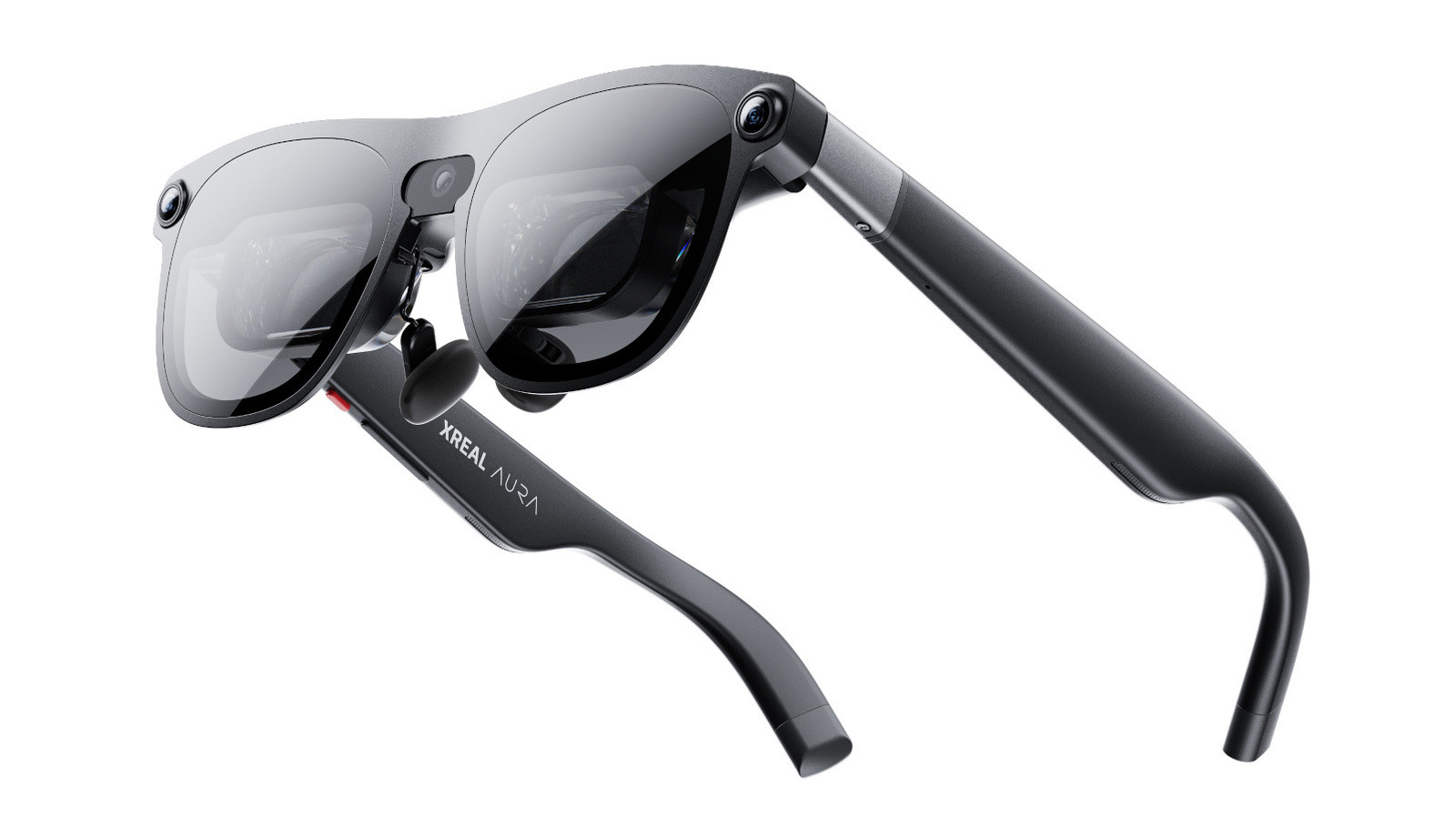
Xreal has officially unveiled its latest foray into the augmented reality market with the Aura smartglasses. These new XR glasses are powered by Qualc…
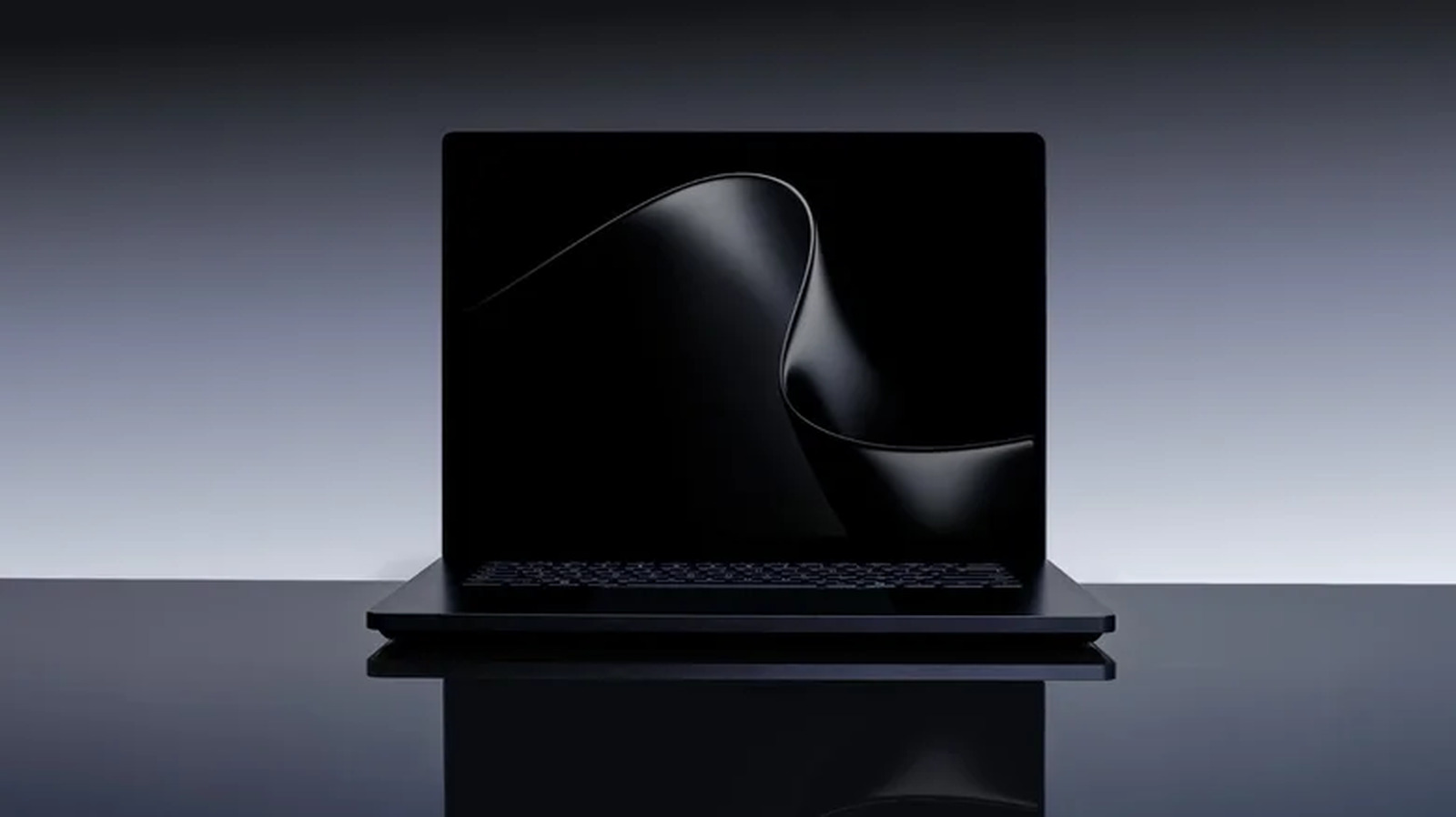
Microsoft Windows and Surface event 2026: Live updates as Satya Nadella and Jensen Huang take the stage
Microsoft is hosting a major event in 2026, featuring a high-profile appearance by CEO Satya Nadella alongside NVIDIA CEO Jensen Huang. The presentati…