
Medieval manuscripts are biological time capsules for deadly sheeppox virus
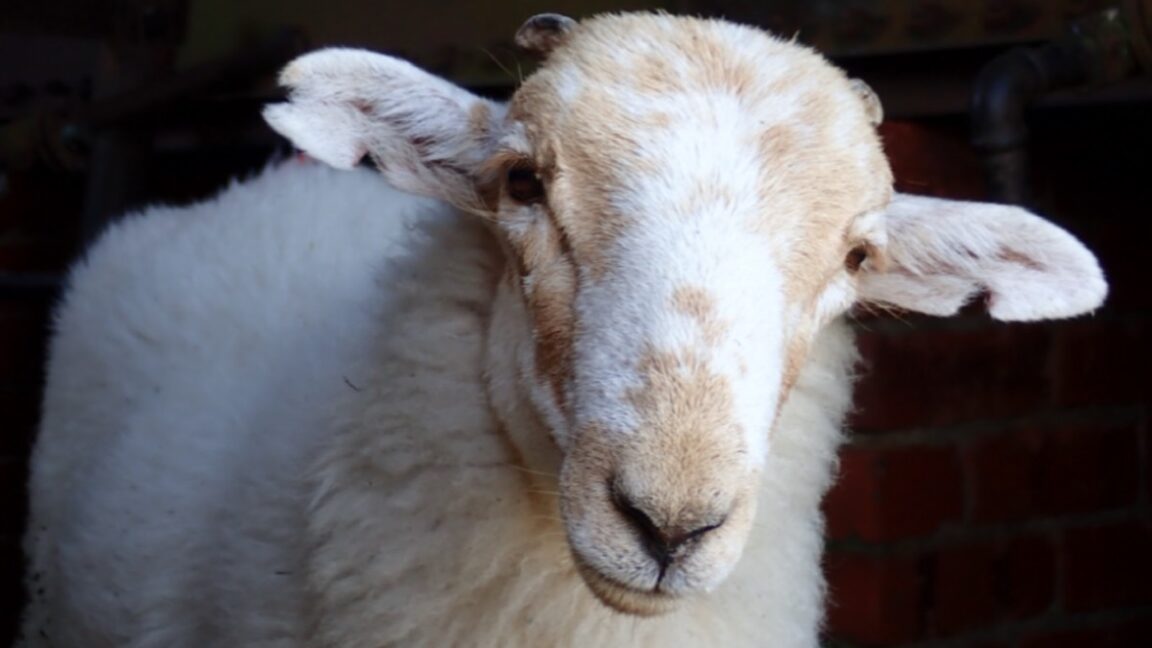
Researchers have utilized medieval parchment as a unique source of ancient DNA to track the evolution of the sheeppox virus over the last 3,500 years. By sequencing viral genetic material preserved in animal skins used for manuscripts, scientists from University College Dublin have demonstrated that these historical documents serve as biological time capsules. The study, published in Science Advances, reveals that sheeppox has affected Eurasian sheep herds for millennia, with written accounts of the disease dating back to the first century CE. This methodology opens new possibilities for researchers to study the history of animal pathogens by examining library and archive collections. Understanding the long-term evolution of such viruses provides critical insights into how these diseases impacted past societies and livestock management, confirming that the virus has been a persistent threat to agriculture since ancient times.
This is a summary. Read the full article at the original source:
Ars TechnicaRelated stories

SpaceX is facing a lengthy logistical challenge following the latest Starship flight test. The rocket, designated Starship 40, successfully completed…

The 2026 Ig Nobel Prizes have once again highlighted the intersection of bizarre scientific inquiry and genuine academic rigor. Each year, these award…

To mark the 60th anniversary of the Star Trek franchise, European Space Agency astronaut Sophie Adenot paid tribute from the International Space Stati…