

This Habr article focuses on selecting a file system when migrating to Linux, a critical step for ensuring performance and data reliability. The author provides a comparative analysis of popular solutions such as Ext4, XFS, and ZFS, highlighting their unique features and use cases. The material covers aspects like inode management, journaling mechanisms, and snapshot support. Special attention is given to how the choice of file system affects SSD longevity and system recovery capabilities. The article aims to help users planning a Linux migration make informed decisions during disk partitioning by considering the technical nuances of each system. This guide serves as a continuation of a series on switching to open-source software, offering a deep dive into the architectural differences of file systems available within the Linux ecosystem.
This is a summary. Read the full article at the original source:
HabrRelated stories
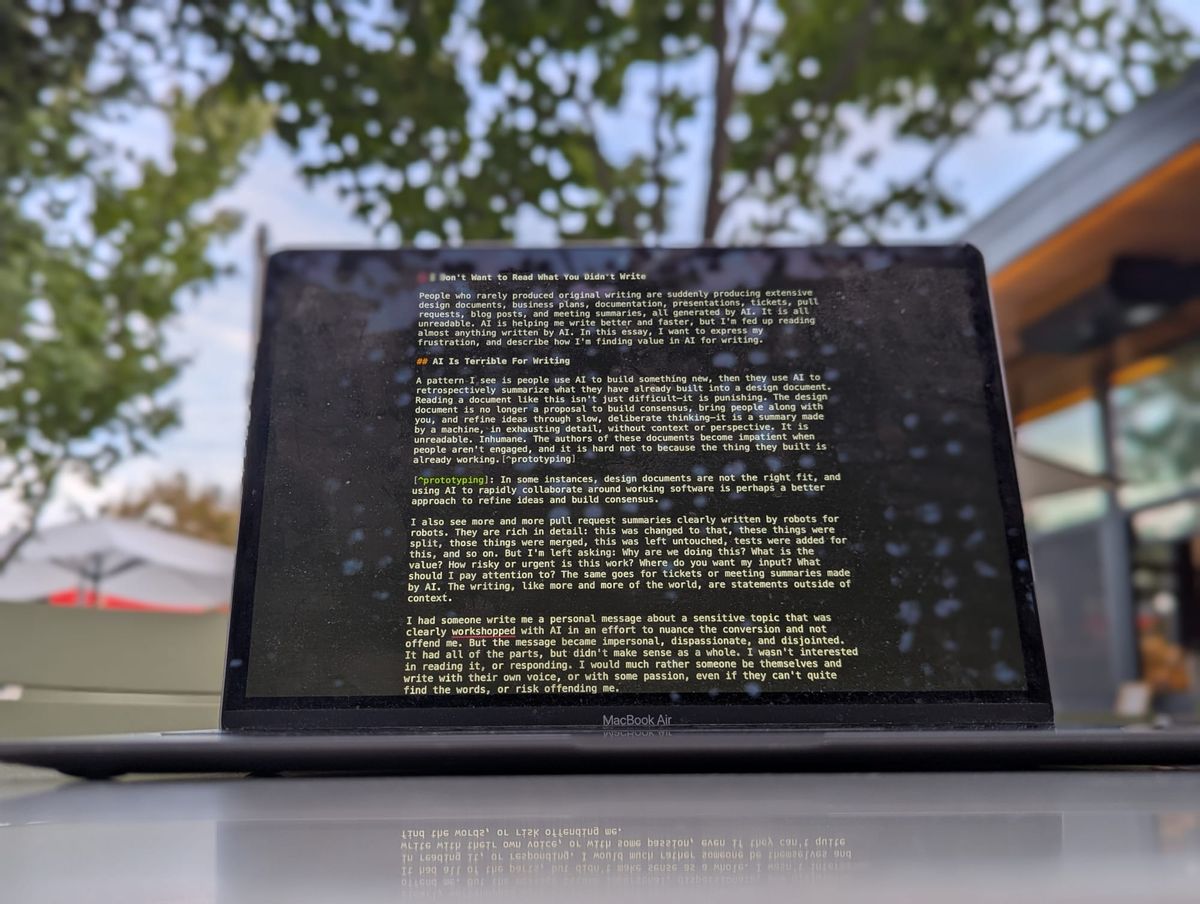
In his recent blog post, Colin Breck addresses the growing trend of using Large Language Models (LLMs) to generate technical content. Breck argues tha…
The creator of the 'Giga Pisar' application, built on Sber's GigaAM speech recognition technology, has summarized the first week following their debut…

This Habr article explores the computer as a fundamental mathematical structure, inviting readers to view computational processes through the lens of…