
Just like a fruit fly, a new algorithm never forgets old scents
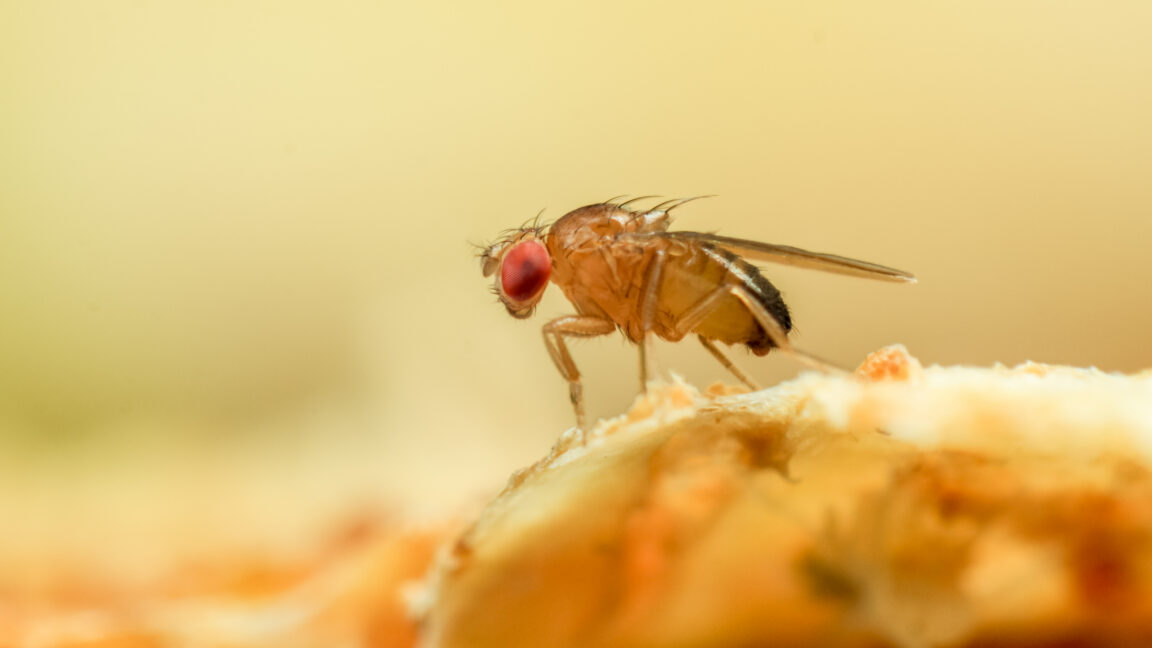
Researchers at the Okinawa Institute of Science and Technology have developed a new algorithm called Spi-Fly, designed to mimic the olfactory memory of fruit flies. While electronic noses often struggle with limited detection ranges and catastrophic forgetting—where new data overwrites old information—Drosophila brains excel at retaining scent memories despite having only 140,000 neurons. By modeling the neural architecture of these insects, Kevin Max and Yang Shen created a system capable of identifying a wide array of odors without losing previously learned patterns. Published in the journal Neuromorphic Computing and Engineering, this research highlights a shift toward bio-inspired computing. The Spi-Fly algorithm offers a more efficient, robust alternative to current sensor technologies, potentially revolutionizing how machines process complex chemical environments. This development underscores the effectiveness of biological systems as blueprints for advancing artificial intelligence and machine learning capabilities in sensory perception tasks.
This is a summary. Read the full article at the original source:
Ars TechnicaRelated stories

Meta has unveiled its latest innovation, the Muse AI agent, designed to act as a highly personalized assistant for users. According to recent reports,…
What's going on with OpenAI and the Navier-Stokes controversy?
OpenAI has recently claimed a significant breakthrough in mathematics, specifically regarding the Navier-Stokes equations, which describe the motion o…

Large language models develop novel social biases through adaptive exploration
A recent research paper published on OpenReview explores how large language models (LLMs) can acquire and manifest new social biases during the proces…