
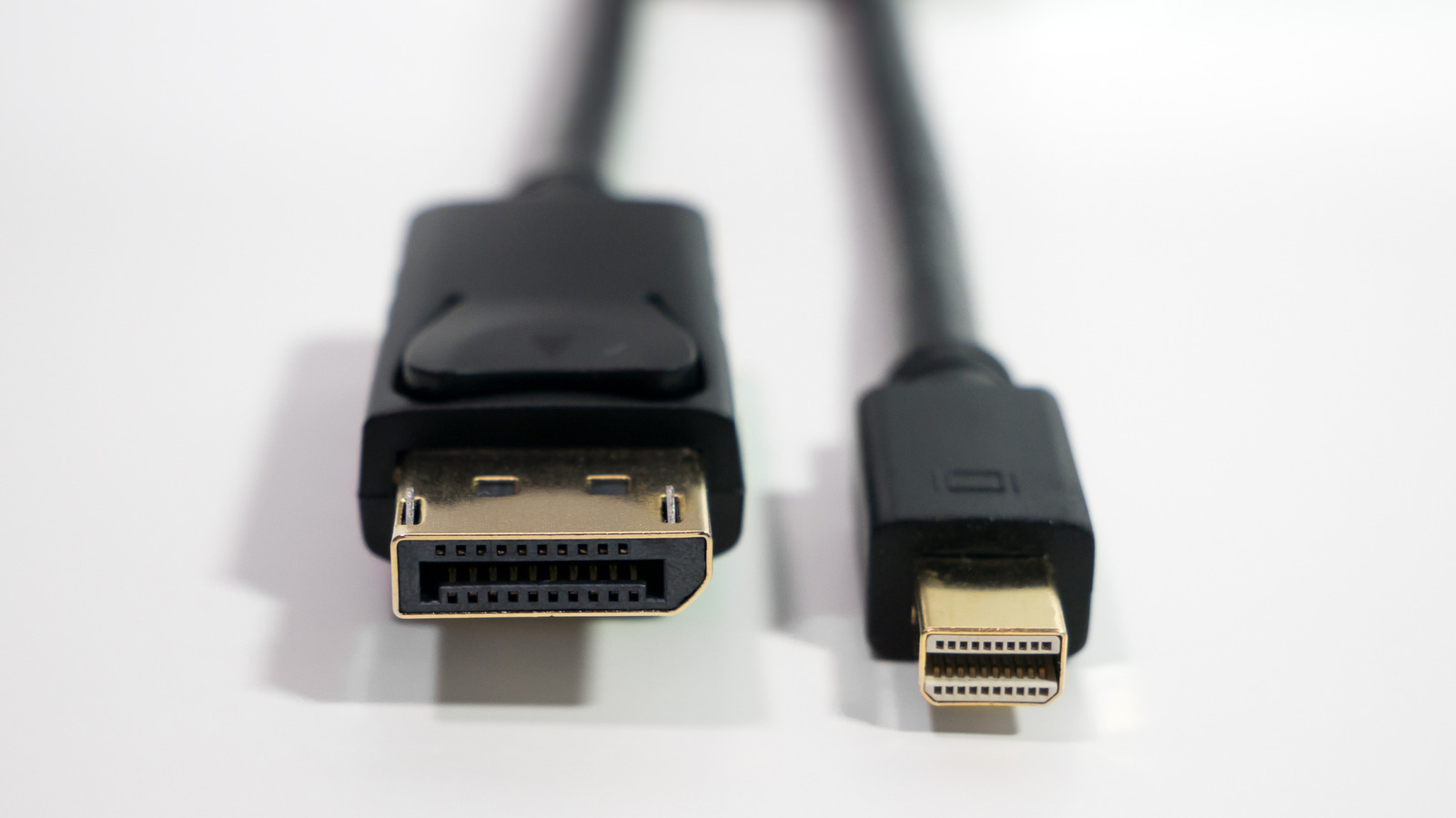
Mini DisplayPort, once a ubiquitous connector found on a wide array of laptops and desktop computers, is rapidly fading from the consumer electronics landscape. Originally popularized by Apple and adopted by various manufacturers for its compact design, the interface is increasingly being sidelined by more versatile and modern standards. The rise of USB-C, which supports Thunderbolt and DisplayPort Alt Mode, has rendered the dedicated Mini DisplayPort largely redundant. These newer standards offer a unified solution for data transfer, power delivery, and high-resolution video output, simplifying the port selection on modern devices. As manufacturers prioritize thinner chassis designs and universal connectivity, the specialized Mini DisplayPort is becoming a relic of the past. While it remains useful for legacy hardware and specific professional setups, its presence in new product releases continues to decline, marking a clear shift toward a more streamlined, USB-C-centric future for peripheral connectivity.
This is a summary. Read the full article at the original source:
EngadgetRelated stories

Investing in a high-end smart TV often comes with the expectation of long-term performance, yet software support policies vary significantly across ma…
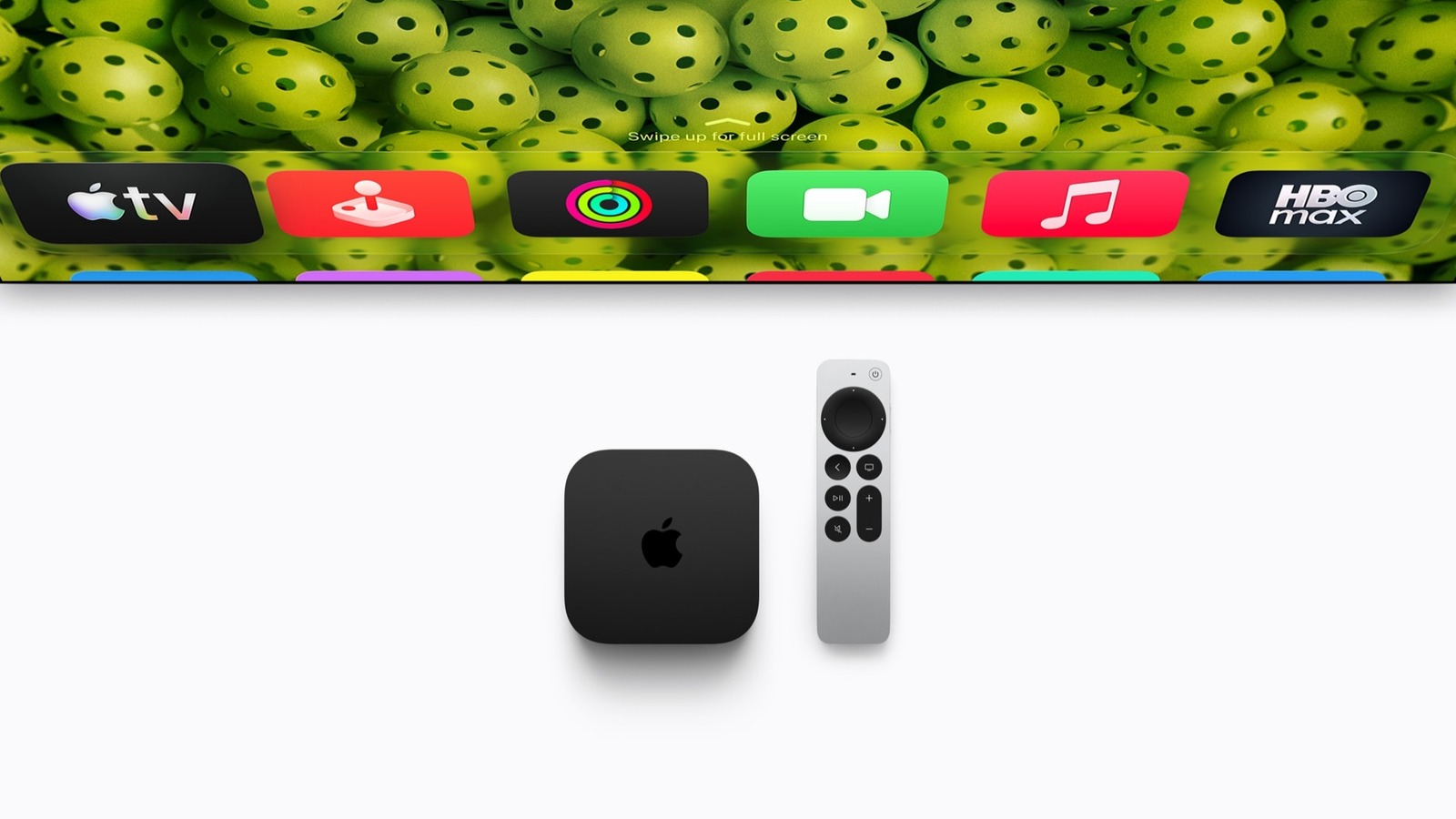
Apple has introduced its latest iteration of the Apple TV 4K, sparking a debate among consumers regarding the value proposition of the 2026 model comp…
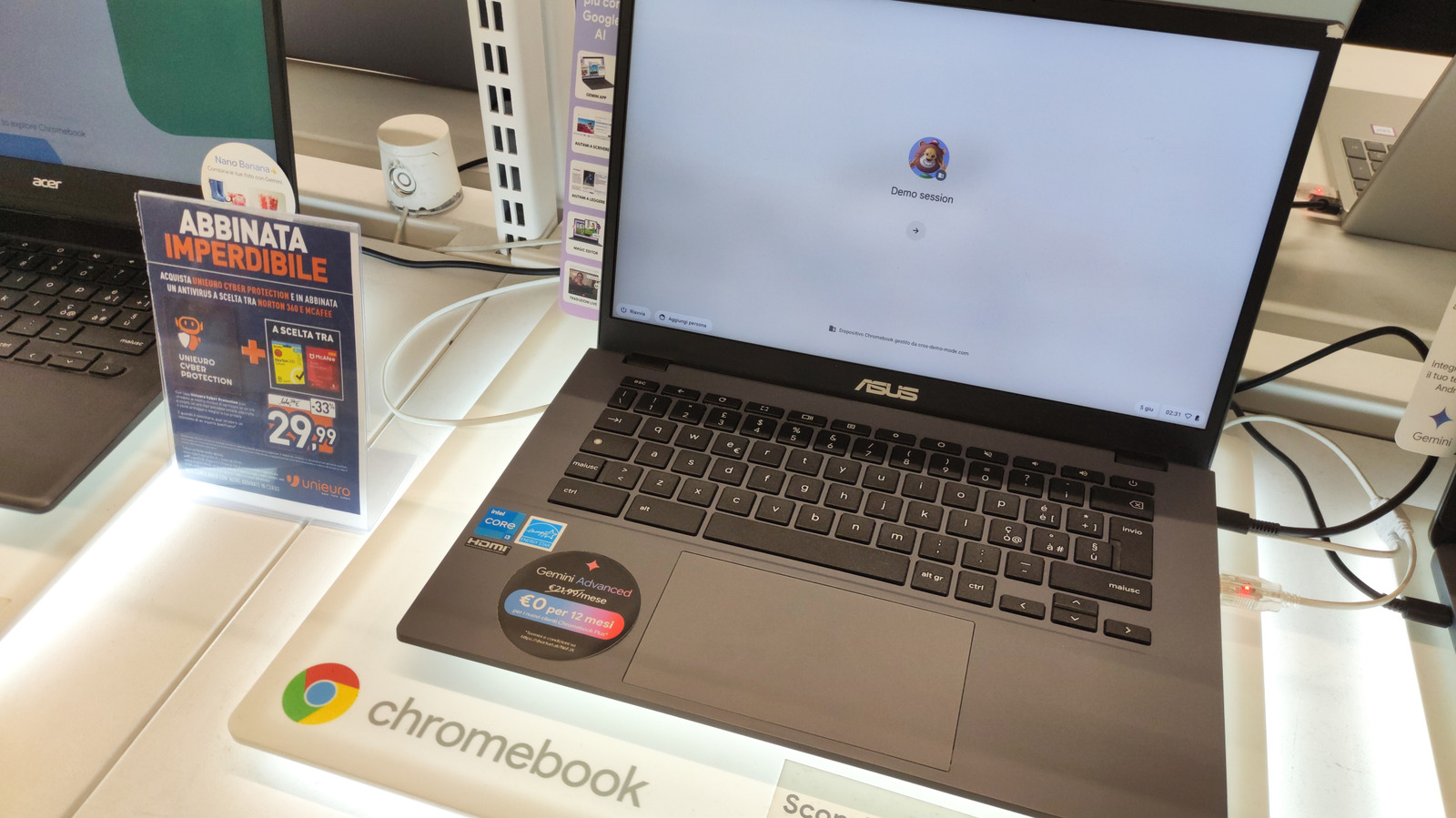
The recent launch of Googlebooks has sparked a debate regarding the future relevance of traditional Chromebooks. As Googlebooks introduce significant…