
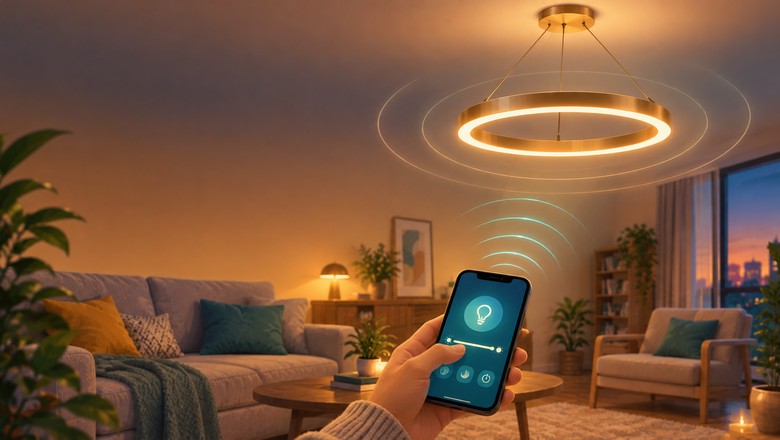
The author shares their experience in upgrading a standard radio-controlled LED chandelier for integration into a smart home system. The project involves intercepting and analyzing remote control radio signals, as well as building a hardware bridge to communicate with an automation controller. The article details the disassembly process, the selection of necessary components including a microcontroller, and the software implementation for controlling lighting through familiar smart home interfaces. The author emphasizes safety when working with 220V mains voltage and highlights the importance of following electrical installation rules. This article is useful for enthusiasts who want to automate lighting without replacing existing fixtures with expensive Wi-Fi or Zigbee-enabled alternatives, using affordable hardware solutions and custom scripts to manage radio signals.
This is a summary. Read the full article at the original source:
HabrRelated stories

Best Buy has launched a clearance sale on the Dyson Airwrap i.d. Multi-Styler for Curly + Coily Hair, offering the device for $454.99. This represents…
eBay Restricts Listings of Radio Equipment, but Exempts Ham-Band-Only Gear
eBay has implemented new restrictions on the sale of radio equipment on its platform, specifically targeting devices capable of transmitting outside o…

Pinnacle Studio 26 Ultimate offers a subscription-free alternative to Premiere Pro
Pinnacle Studio 26 Ultimate is currently available at a significant discount, offering a compelling alternative to Adobe Premiere Pro for Windows user…