
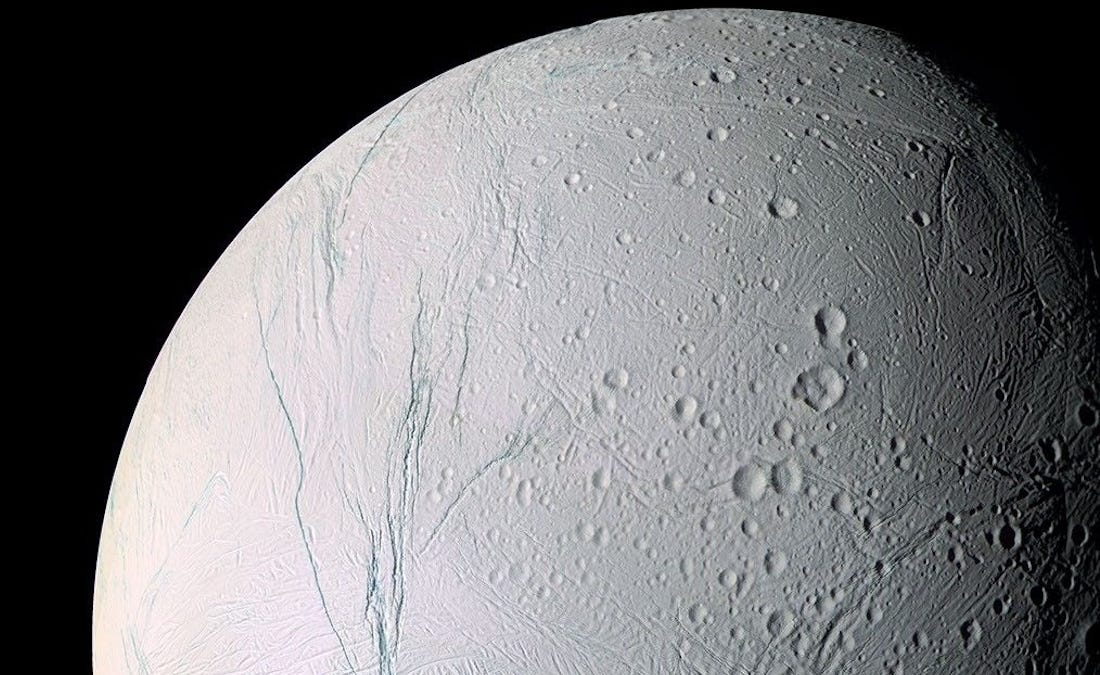
In his latest exploration, Maciej Cegłowski examines the scientific fascination with icy moons in our solar system, such as Europa and Enceladus. These celestial bodies, once thought to be frozen, inert spheres, are now understood to harbor vast liquid water oceans beneath their icy crusts. The article discusses the implications of these findings for astrobiology, suggesting that these subsurface environments could potentially support life. Cegłowski highlights the technological challenges and the scientific significance of upcoming missions designed to probe these mysterious worlds. By analyzing the chemical composition and geological activity of these moons, researchers hope to uncover whether the conditions necessary for life exist beyond Earth. This shift in perspective transforms our understanding of the solar system, positioning these distant, icy moons as primary targets in the ongoing search for extraterrestrial life and expanding the boundaries of planetary science.
This is a summary. Read the full article at the original source:
Hacker News (YC)Related stories

SpaceX is facing a lengthy logistical challenge following the latest Starship flight test. The rocket, designated Starship 40, successfully completed…

The 2026 Ig Nobel Prizes have once again highlighted the intersection of bizarre scientific inquiry and genuine academic rigor. Each year, these award…
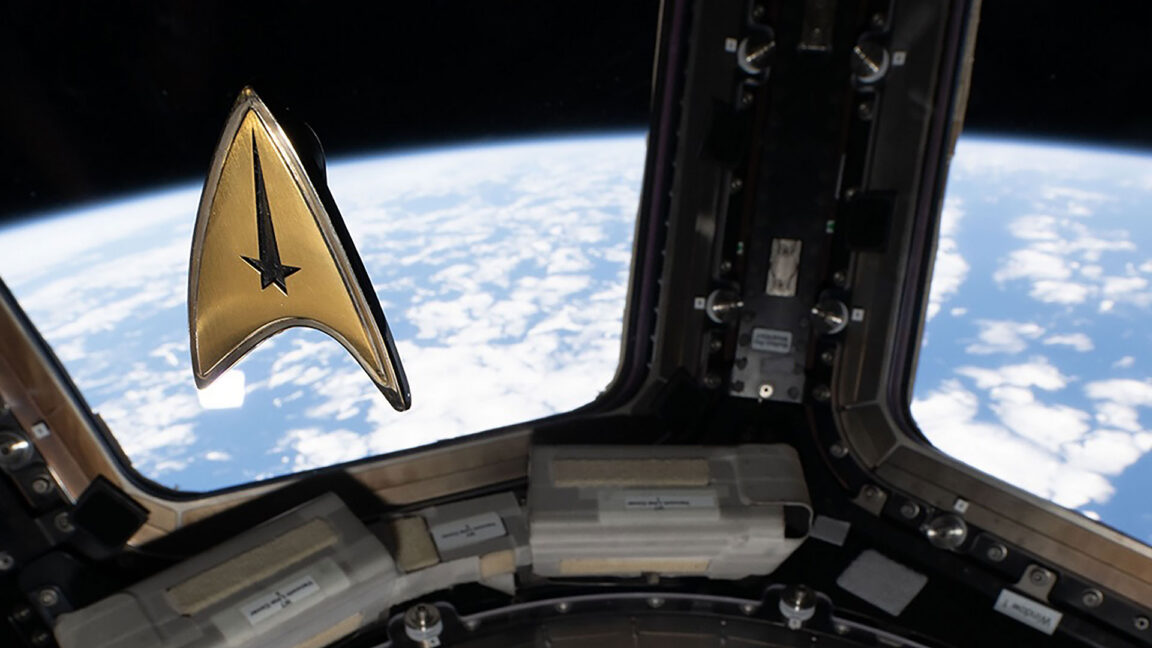
To mark the 60th anniversary of the Star Trek franchise, European Space Agency astronaut Sophie Adenot paid tribute from the International Space Stati…