
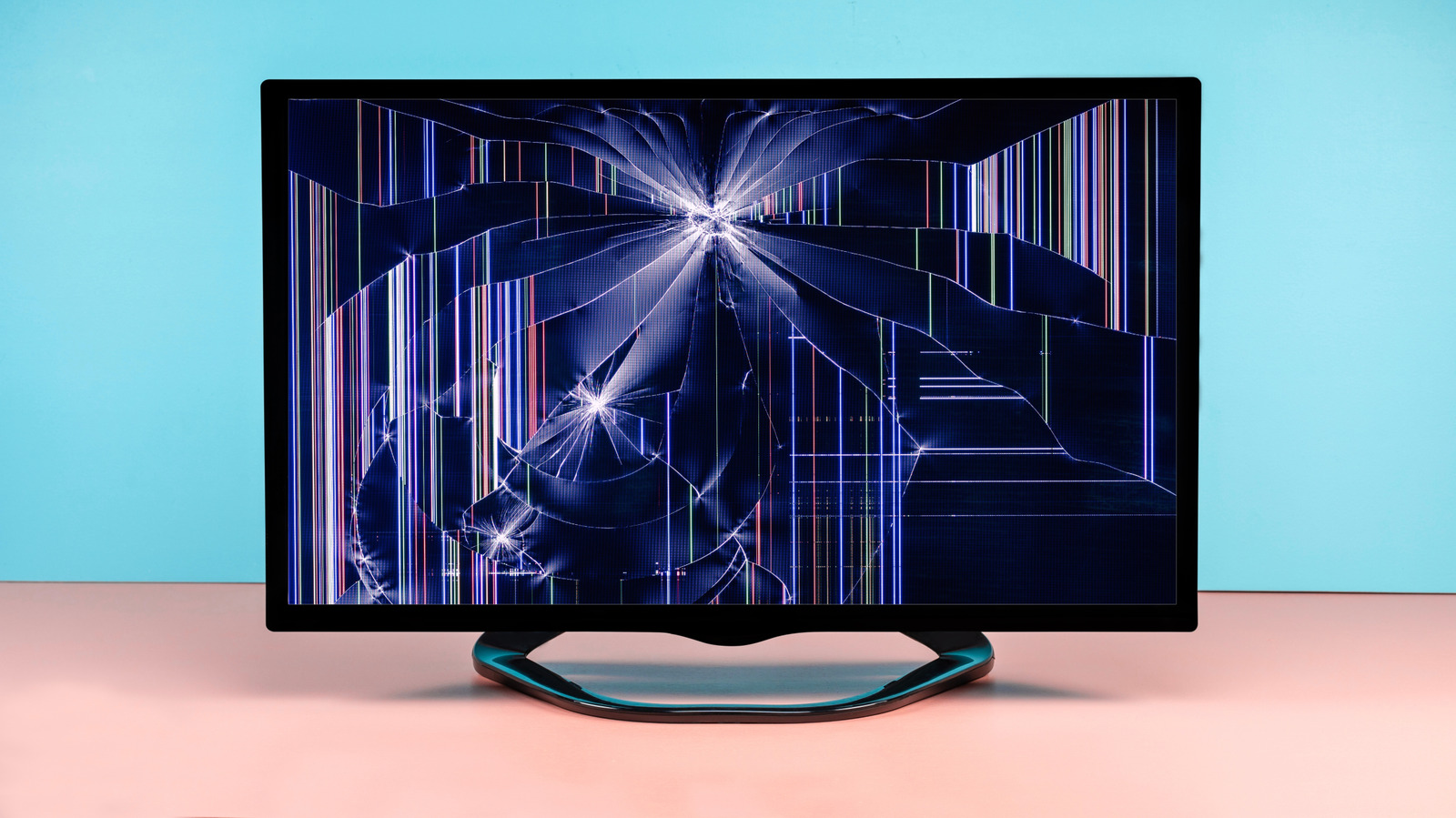
Disposing of an old television requires more care than simply placing it in the trash. Due to the presence of hazardous materials such as lead, mercury, and flame retardants, electronics must be handled through proper recycling channels to prevent environmental contamination. Before discarding a device, users should prioritize data security by performing a factory reset to wipe any personal information or logged-in accounts. The article advises consumers to check local municipal waste guidelines, as many regions offer specific e-waste collection programs or drop-off events. Alternatively, donating functional units to charities or utilizing manufacturer take-back programs are recommended sustainable options. By following these steps, consumers can ensure their obsolete hardware is processed responsibly, recovering valuable materials while minimizing the ecological footprint associated with electronic waste.
This is a summary. Read the full article at the original source:
EngadgetRelated stories

Restarting your computer is a piece of advice that has persisted for decades, but its relevance in the modern computing landscape is often debated. Wh…

From Wearables to Robots to Tabletop Trinkets, the AI Hardware Scene Is Booming
At IFA 2026, the consumer electronics landscape showcased a significant shift toward dedicated AI hardware. Moving beyond software-based integrations,…

In a detailed technical breakdown, developer Nishant Joshi explores the complex engineering challenges involved in building a functional printer from…