
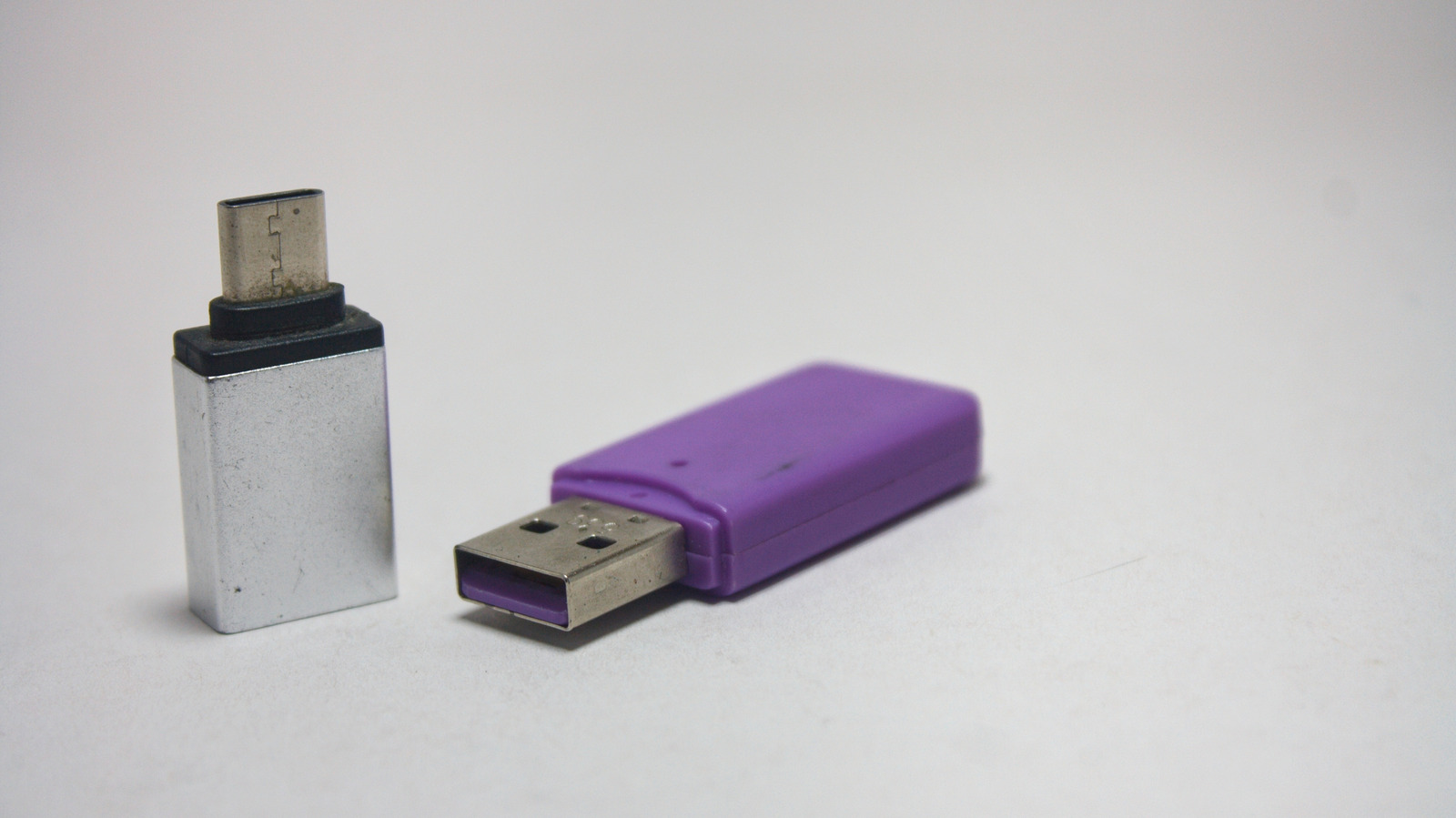
As USB-C becomes the universal standard for modern devices, many users find themselves needing adapters to connect legacy peripherals. However, not all adapters are created equal. Choosing the right one requires careful attention to technical specifications, including data transfer speeds and power delivery capabilities. Low-quality adapters can lead to slow charging, data corruption, or even potential damage to sensitive hardware. Experts recommend prioritizing reputable brands that adhere to official USB-IF certification standards to ensure compatibility and safety. When selecting an adapter, users should verify whether they need support for high-speed data transfers, such as Thunderbolt or USB 3.2, or if they simply require basic power pass-through. By understanding these technical nuances, consumers can avoid common pitfalls and ensure their older devices integrate seamlessly with modern hardware ecosystems, ultimately extending the lifespan of their existing peripherals while enjoying the versatility of the USB-C interface.
This is a summary. Read the full article at the original source:
EngadgetRelated stories

Laptop fans are essential components designed to dissipate heat and prevent internal hardware from overheating. However, when these fans begin to run…

This article provides a detailed technical overview of the legendary 8-bit Zilog Z80 processor (model Z84C008PEC), which remains relevant nearly 50 ye…

Xiaomi has officially rolled out version 2.6 of its MiMo platform, continuing the company's expansion into integrated smart hardware ecosystems. This…