
How smaller, distributed batteries could help the grid

As large-scale energy storage projects face regulatory hurdles and community opposition in dense urban areas like New York City, startups are pivoting toward distributed battery solutions. Companies like PopWheels, Copper, and David Energy are integrating battery technology into everyday items, including e-bike charging stations, induction stoves, and air-conditioning units. By decentralizing energy storage, these firms aim to bypass complex permitting processes while providing immediate benefits such as cost savings and grid resilience. Proponents argue that aggregating these small, consumer-focused batteries could eventually provide tens of gigawatts of capacity, helping to stabilize the power grid during peak demand. While large utility-scale installations remain essential for supporting renewable energy, this distributed approach offers a flexible, scalable alternative to mitigate congestion and prevent blackouts in population-dense environments, marking a significant shift in how modern power grids may operate in the coming years.
This is a summary. Read the full article at the original source:
MIT Technology ReviewRelated stories

One year later, Tesla and Musk still don’t have a good definition of ‘abundance’
A year has passed since Elon Musk first teased a grand vision of 'abundance' tied to Tesla’s future, yet the company remains unable to provide a concr…

Global electricity grids face significant losses due to infrastructure decay and widespread power theft, with some nations losing over half of their g…
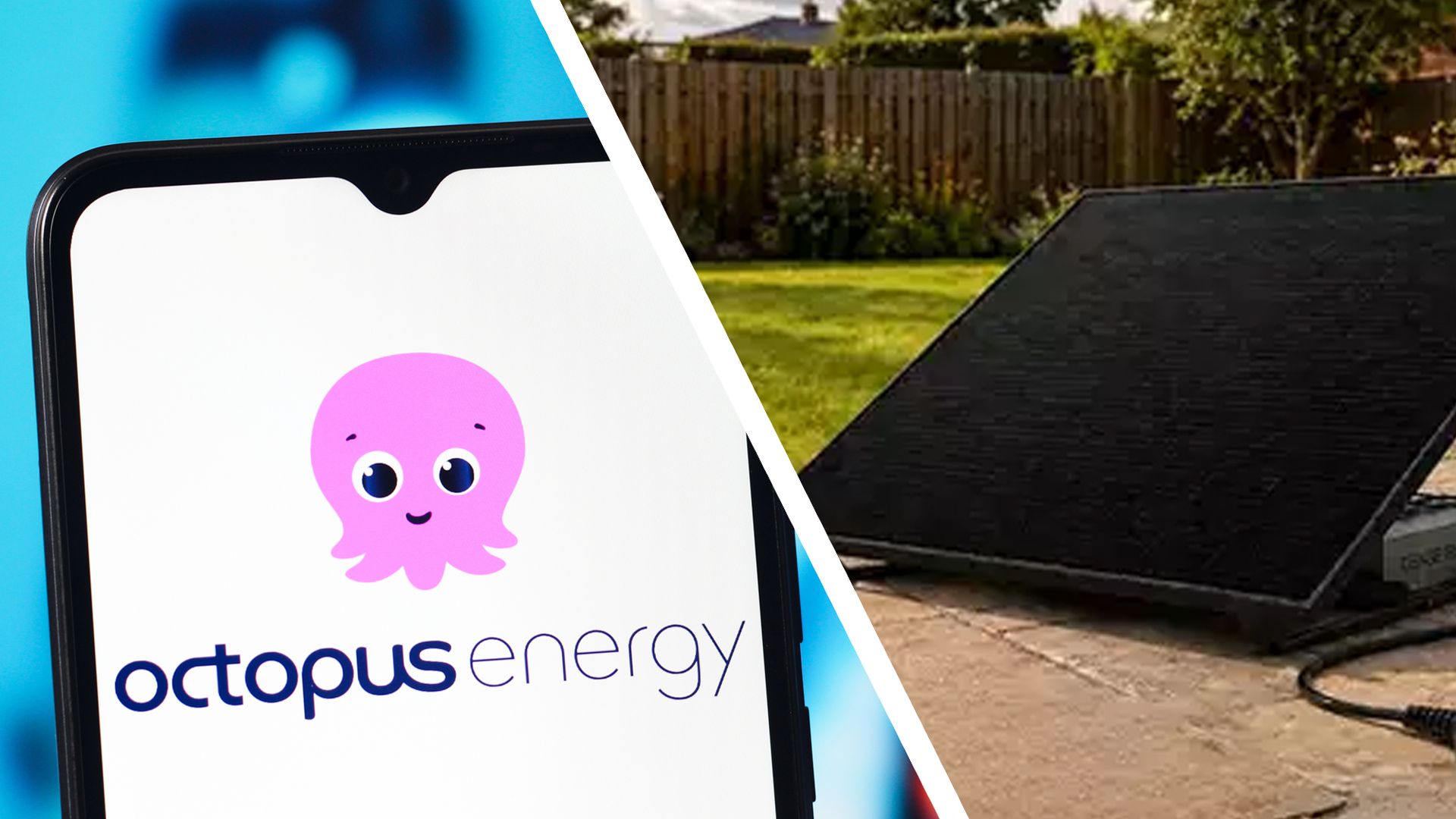
Octopus Energy has reported that its plug-in solar kits have sold out for the second time in less than a month due to overwhelming consumer demand. Th…