

In the early 20th century, the publication of Upton Sinclair’s The Jungle sparked significant public outcry, leading to the establishment of stricter food safety protocols in the United States. However, the evolution of these standards took a major leap forward due to the unique requirements of NASA. As the agency prepared for human spaceflight, it faced the critical challenge of ensuring that food consumed by astronauts was entirely free of pathogens and contaminants. To meet these rigorous demands, NASA collaborated with food scientists to develop the Hazard Analysis and Critical Control Point (HACCP) system. This proactive approach to food safety, which focuses on identifying and preventing hazards at every stage of production, eventually transitioned from space missions to the broader food industry. Today, the principles pioneered by NASA remain the foundation of modern food inspection, ensuring safety for consumers across the globe.
This is a summary. Read the full article at the original source:
WiredRelated stories
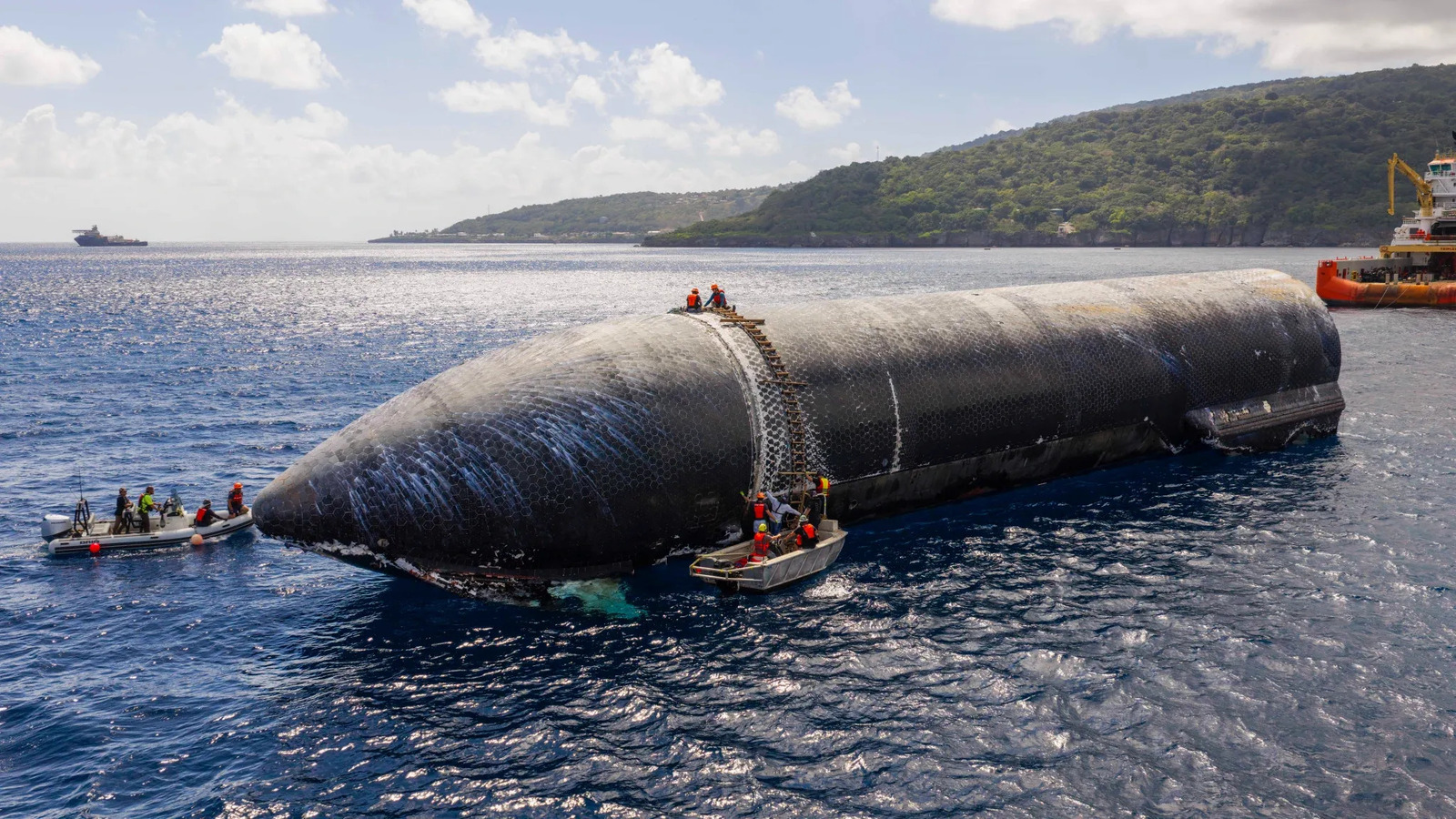
SpaceX is facing a lengthy logistical challenge following the latest Starship flight test. The rocket, designated Starship 40, successfully completed…

The 2026 Ig Nobel Prizes have once again highlighted the intersection of bizarre scientific inquiry and genuine academic rigor. Each year, these award…
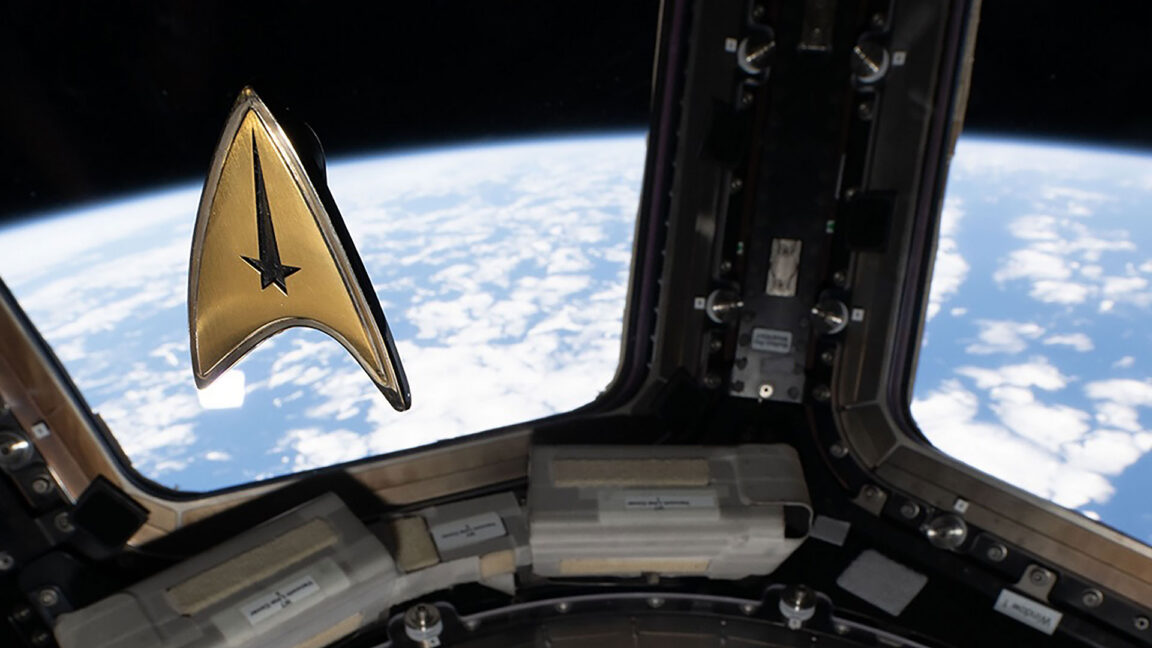
To mark the 60th anniversary of the Star Trek franchise, European Space Agency astronaut Sophie Adenot paid tribute from the International Space Stati…