

Translation earbuds are becoming increasingly popular as a tool for breaking down language barriers in real-time. These devices rely on a combination of sophisticated hardware and cloud-based artificial intelligence to function. Typically, the earbuds capture audio via built-in microphones, which is then transmitted to a smartphone app. The app processes the speech using natural language processing (NLP) and machine translation models before sending the translated audio back to the user's ear. While the technology is impressive, users often find that the experience is not as seamless as science fiction might suggest. Latency, accuracy issues, and the need for a stable internet connection remain significant hurdles. As AI models continue to evolve, these devices are expected to become more reliable, though they currently serve best as an assistive tool rather than a perfect replacement for human interpreters.
This is a summary. Read the full article at the original source:
EngadgetRelated stories
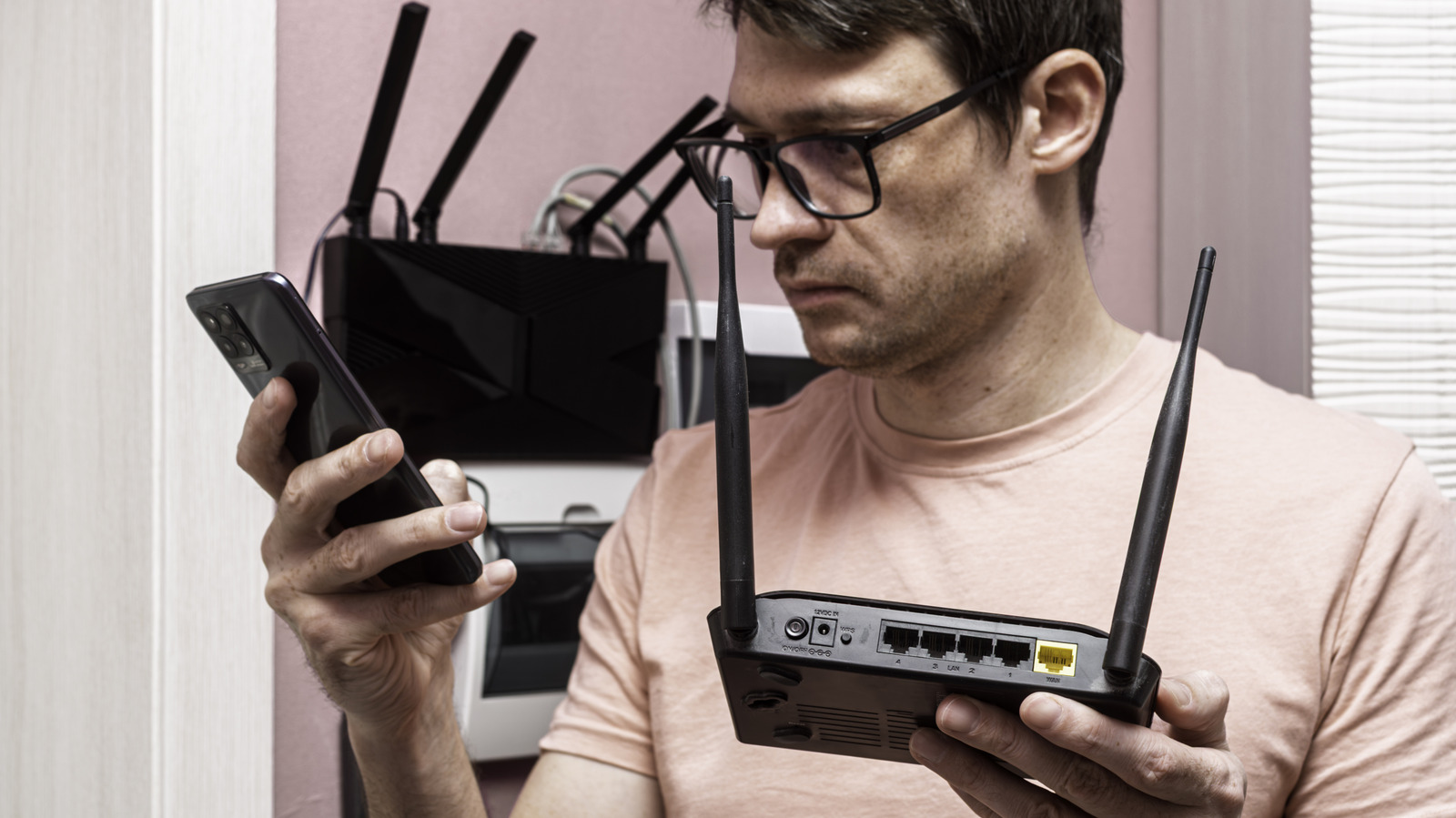
Instead of discarding an outdated router, users can repurpose the hardware to enhance their home network connectivity. Rather than sending these devic…
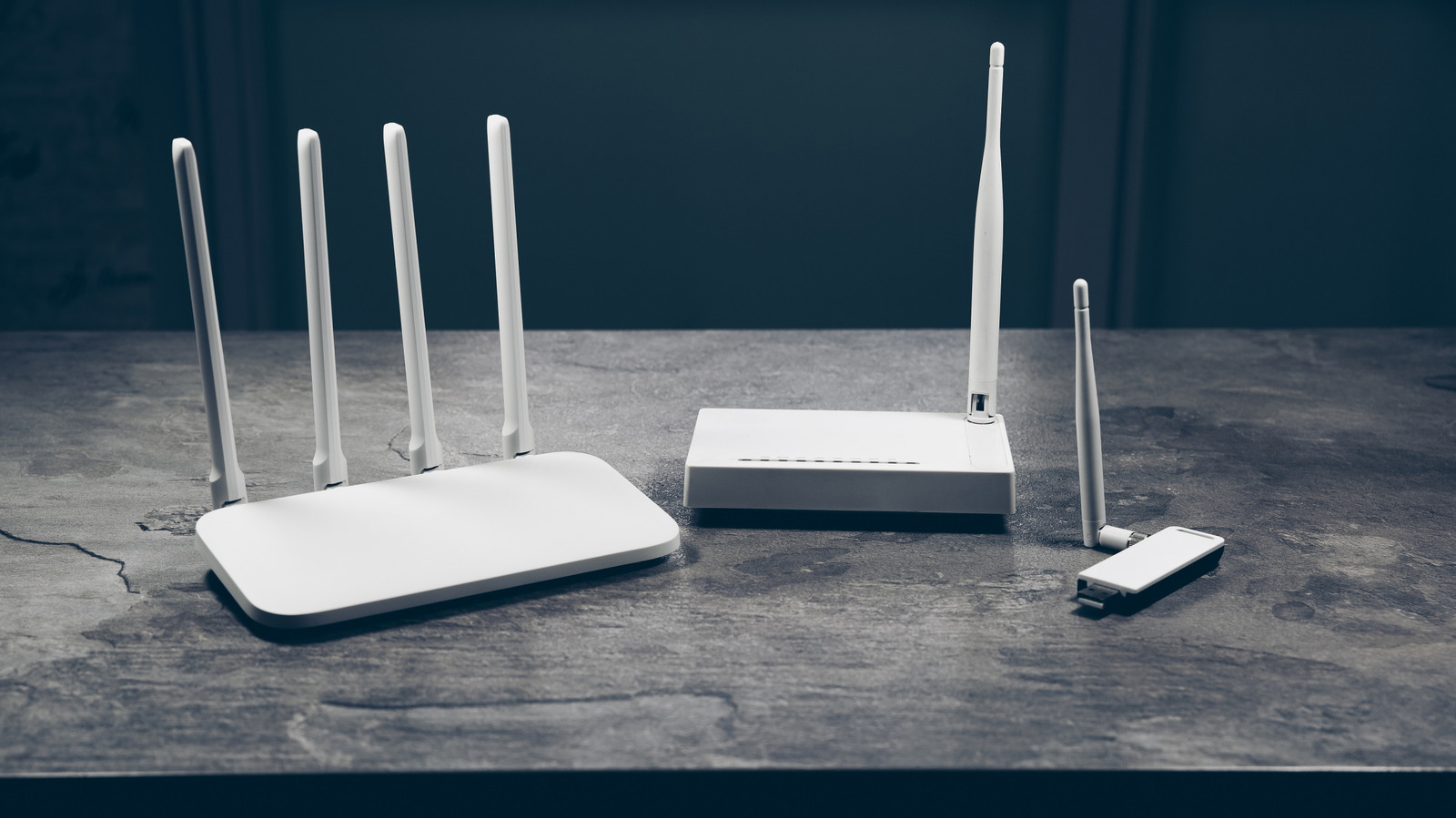
As internet routers age, manufacturers eventually discontinue firmware support, leaving devices vulnerable to security threats and performance issues.…

The Brick, a physical device designed to help users reduce screen time by blocking apps via NFC, has introduced a new line of snap-on cases. Priced at…