
In this video, researchers discuss Homa, a transport protocol designed to overcome the limitations of TCP in modern AI data center clusters. As AI workloads demand massive bandwidth and low latency for distributed training, traditional TCP-based networking often becomes a bottleneck due to its overhead and congestion control mechanisms. Homa is engineered specifically for datacenter environments, focusing on minimizing tail latency and improving throughput for short, latency-sensitive messages common in AI communication patterns. By leveraging hardware-level optimizations and a receiver-driven flow control model, Homa aims to replace TCP to allow AI clusters to scale more efficiently. The presentation highlights the architectural differences between Homa and existing protocols, demonstrating how this shift can significantly enhance the performance of large-scale machine learning infrastructure by reducing communication overhead and enabling faster synchronization between GPU nodes.
This is a summary. Read the full article at the original source:
Hacker News (YC)Related stories
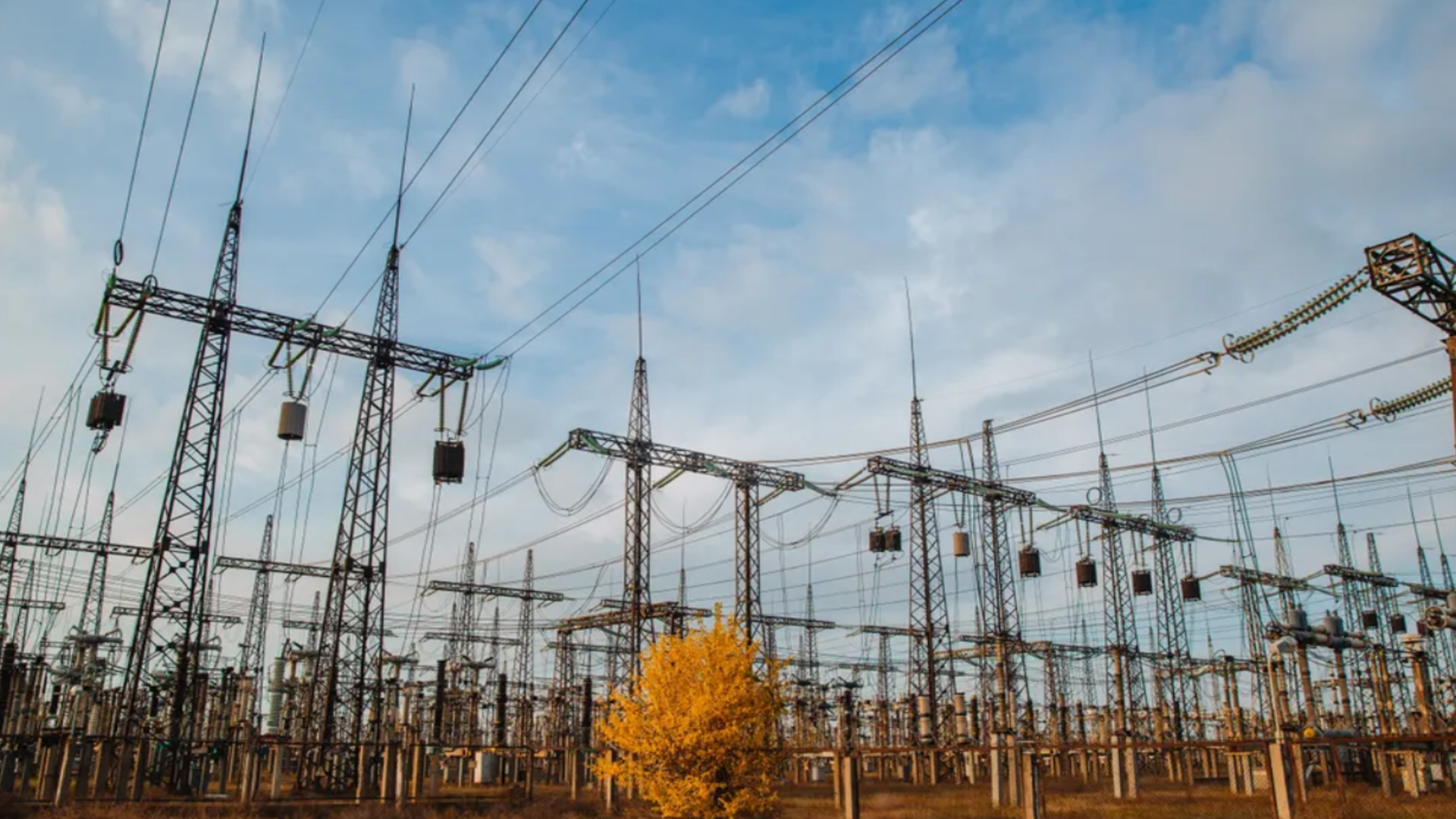
Oracle’s massive 1.3 GW Wisconsin AI campus faces severe power delays as grid review restarts
Oracle’s Project Lighthouse, a massive 1.3 GW AI data center campus in Wisconsin, is facing significant operational delays due to complications in the…

As AI agents become increasingly integrated into cloud workflows, managing infrastructure costs has become a critical priority. A recent discussion hi…

The 2026 NFL International Games are set to return to London for a three-week residency at Tottenham Hotspur Stadium and Wembley Stadium. The series k…