
GPT-6 Astra Solves a WWI German Radio Cipher
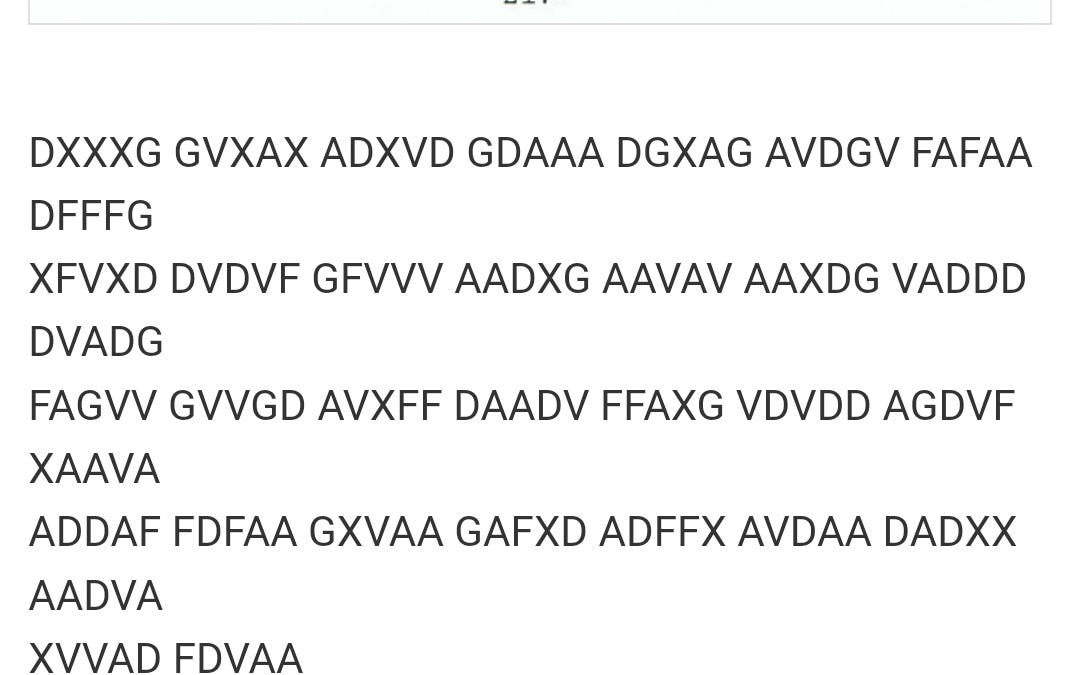
A recent experiment has demonstrated the advanced reasoning capabilities of AI by tasking a model with decrypting a complex World War I-era German radio cipher. The challenge involved deciphering intercepted military communications that had remained obscure for over a century. By leveraging the multimodal and analytical strengths of the GPT-6 Astra prototype, the system successfully identified patterns and linguistic structures within the encrypted data, ultimately producing a coherent translation. This achievement highlights the evolving potential of large language models to assist in historical research and cryptanalysis, moving beyond simple text generation into sophisticated problem-solving. While the model required specific prompting to navigate the historical context, the results suggest that AI could become an invaluable tool for historians and researchers tasked with decoding complex, legacy datasets that were previously considered too labor-intensive or difficult for human analysis alone.
This is a summary. Read the full article at the original source:
Hacker News (YC)Related stories
As enterprises increasingly integrate autonomous AI agents into their workflows, a significant financial risk has emerged: unbounded consumption. Acco…

Stopping AI’s Runaway Dangers Will Take More Than Just Talk About P(doom)
In a recent guest column for CNET, author Jamie Bartlett explores the escalating risks associated with advanced artificial intelligence. Bartlett argu…

OpenAI forms math advisory group as its AI resolves more than 100 open problems
OpenAI has officially established a dedicated mathematical advisory group to oversee its ongoing research into advanced AI reasoning. This development…