

In a recent project, developer Niraj Rajgor detailed his process of transforming an old Amazon Kindle into a functional, AI-powered photo frame. By jailbreaking the device, Rajgor bypassed the restrictive Kindle operating system to gain root access. He utilized GPT-4o to assist with the complex coding requirements, specifically for writing scripts that allow the e-ink display to fetch and render images from external sources. The project highlights the potential for repurposing legacy hardware through modern AI assistance. By leveraging LLMs to navigate technical documentation and troubleshoot Linux-based embedded systems, Rajgor successfully turned a discarded e-reader into a dynamic smart home display. This experiment serves as a practical example of how generative AI can lower the barrier to entry for hardware hacking and device modification, enabling users to extend the lifecycle of consumer electronics that would otherwise become electronic waste.
This is a summary. Read the full article at the original source:
Hacker News (YC)Related stories

As GPU prices remain high and hardware lifecycles extend, many users are looking for ways to optimize their existing graphics cards rather than upgrad…
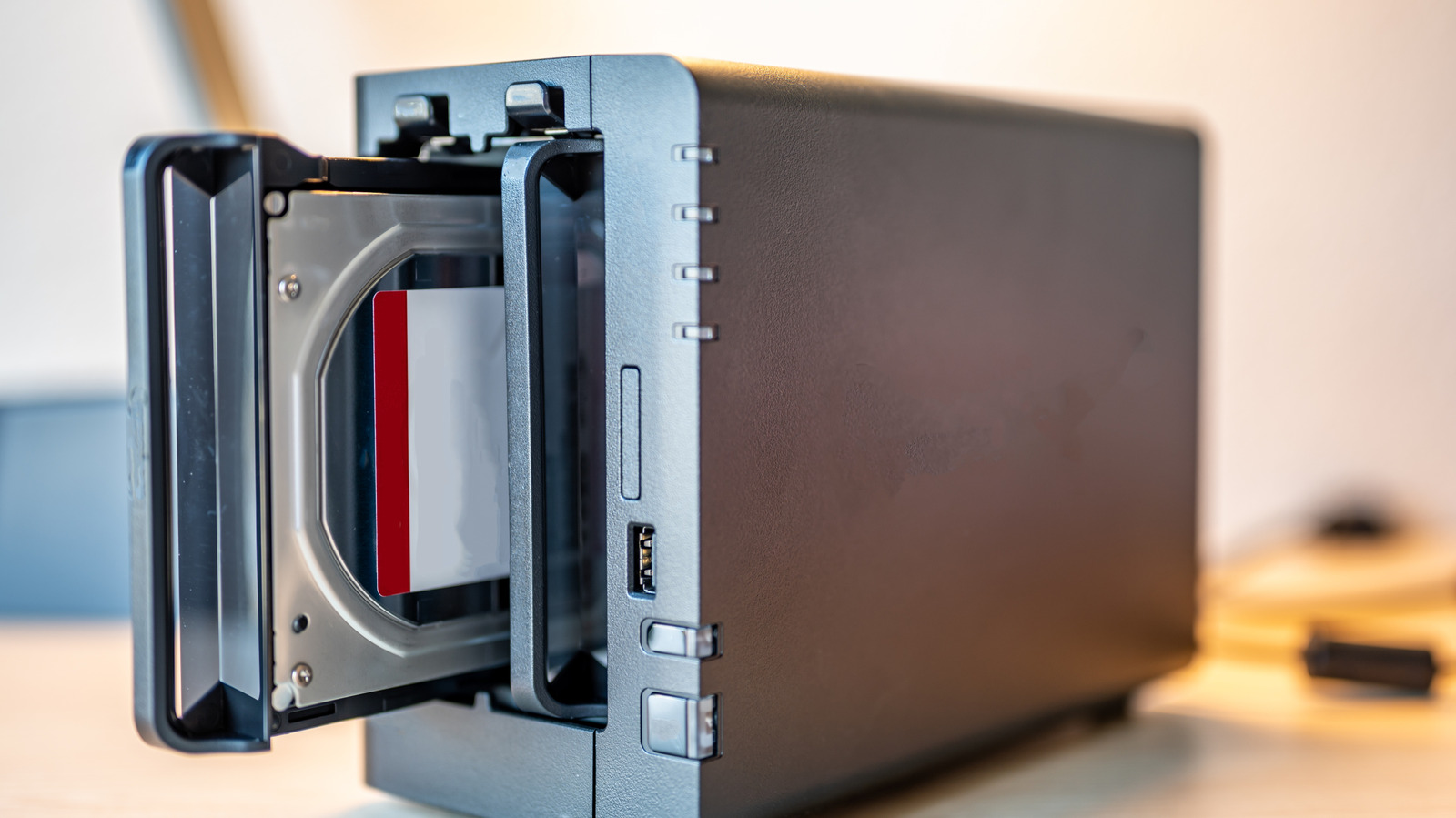
If you have a collection of aging hard drives gathering dust, you can repurpose them into a functional RAID (Redundant Array of Independent Disks) set…

An IndiGo flight from Delhi to Chennai was forced to make an emergency landing in Hyderabad after a passenger's power bank caught fire in an overhead…