
Google updates AI weather model with satellite data integration
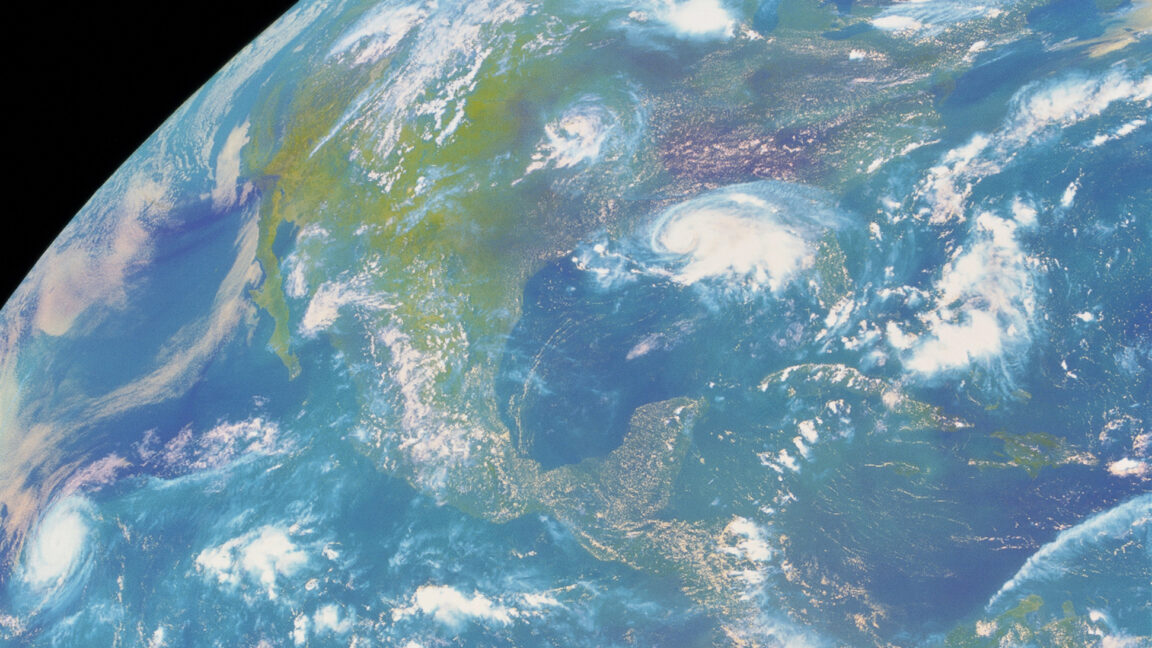
Google has released version 3 of its WeatherNext AI model, marking a significant shift in how the company approaches meteorological forecasting. While AI-driven weather models are already recognized for their ability to deliver performance comparable to traditional systems with significantly lower computational requirements, this latest update introduces the direct ingestion of raw satellite weather data. By incorporating these real-time inputs, the model reduces the latency between current atmospheric conditions and the generation of new forecasts. The update, detailed in a recent white paper, highlights the model's reliance on reanalysis—a process that synthesizes diverse weather data into a consistent global snapshot. This advancement allows for more frequent and accurate forecasting, demonstrating the growing efficiency of machine learning in climate science. As Google continues to refine its approach, the integration of satellite data represents a critical step in improving the speed and reliability of global weather prediction systems.
This is a summary. Read the full article at the original source:
Ars TechnicaRelated stories

Meta Muse vs. ChatGPT Agent: Comparing Two Different Approaches to AI Safety
Meta and OpenAI have recently launched consumer AI agents capable of performing real-world tasks like sending emails, booking travel, and making purch…

What OpenAI’s latest controversy tells us about the future of math
OpenAI has announced a major breakthrough in mathematics by solving the Navier–Stokes existence and smoothness problem, one of the seven Millennium Pr…

Meta has unveiled its latest innovation, the Muse AI agent, designed to act as a highly personalized assistant for users. According to recent reports,…