
In a creative engineering project, developer Mitxela has successfully ported a fluid simulation onto a physical flip-dot display. Flip-dot displays, which use electromagnetic discs to create images, are typically limited by their slow refresh rates and mechanical nature. By optimizing the simulation and leveraging the unique visual characteristics of the hardware, the project demonstrates a high-frame-rate fluid animation that challenges the traditional constraints of electromechanical signage. The implementation involves custom driver hardware and software to manage the rapid state changes required for the fluid motion. This project highlights the intersection of retro hardware aesthetics and modern computational simulation, proving that even legacy display technologies can be pushed to perform complex, dynamic tasks. The detailed breakdown of the project, including the circuit design and the software optimization techniques used to handle the display's limitations, serves as a fascinating case study for hardware enthusiasts and creative coders.
This is a summary. Read the full article at the original source:
Hacker News (YC)Related stories

Why factories turn electronics into pumpkins: protecting industrial controllers from EMI
This Habr article explores the critical issue of electronics reliability in industrial environments. The author analyzes why microcontrollers that pas…
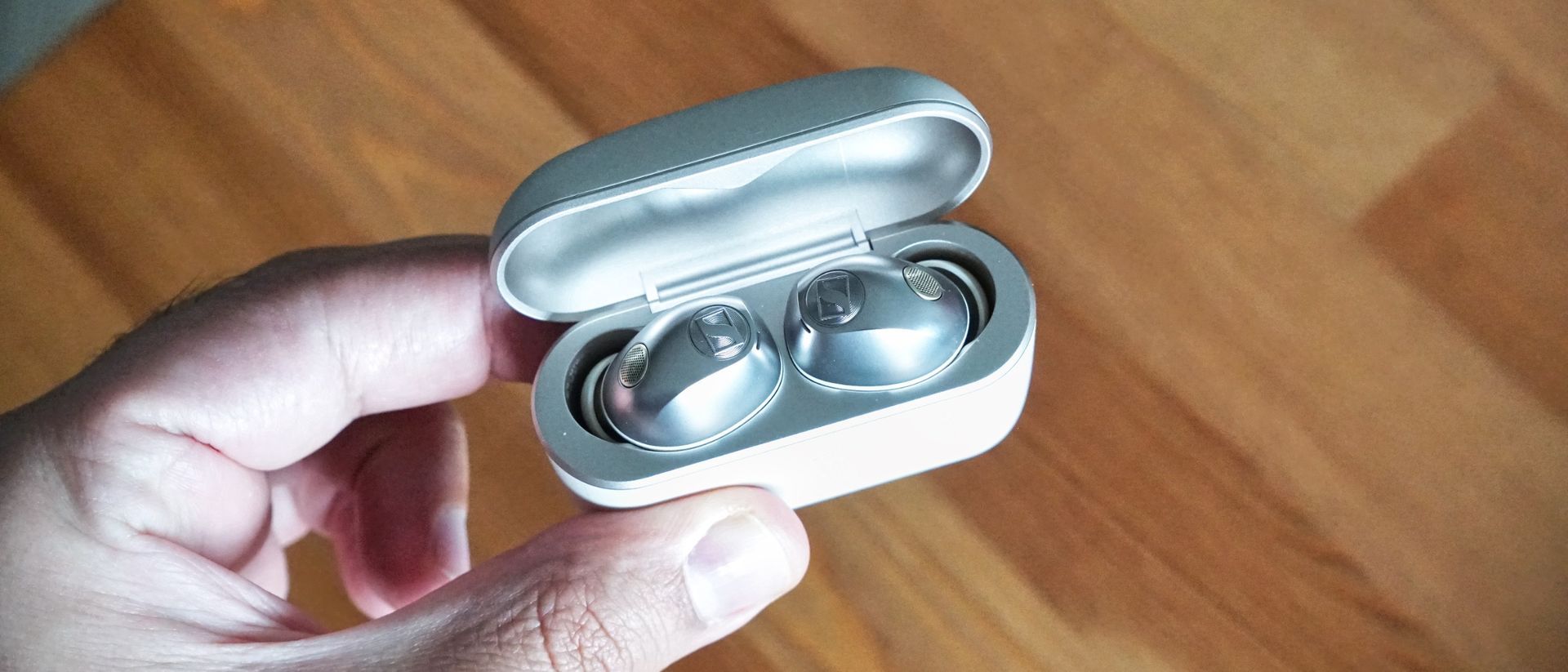
Sennheiser Momentum True Wireless 5 Review: A New Benchmark for Flagship Earbuds
Sennheiser has launched the Momentum True Wireless 5, positioning them as a top-tier contender in the 2026 premium earbuds market. Priced at $300, the…
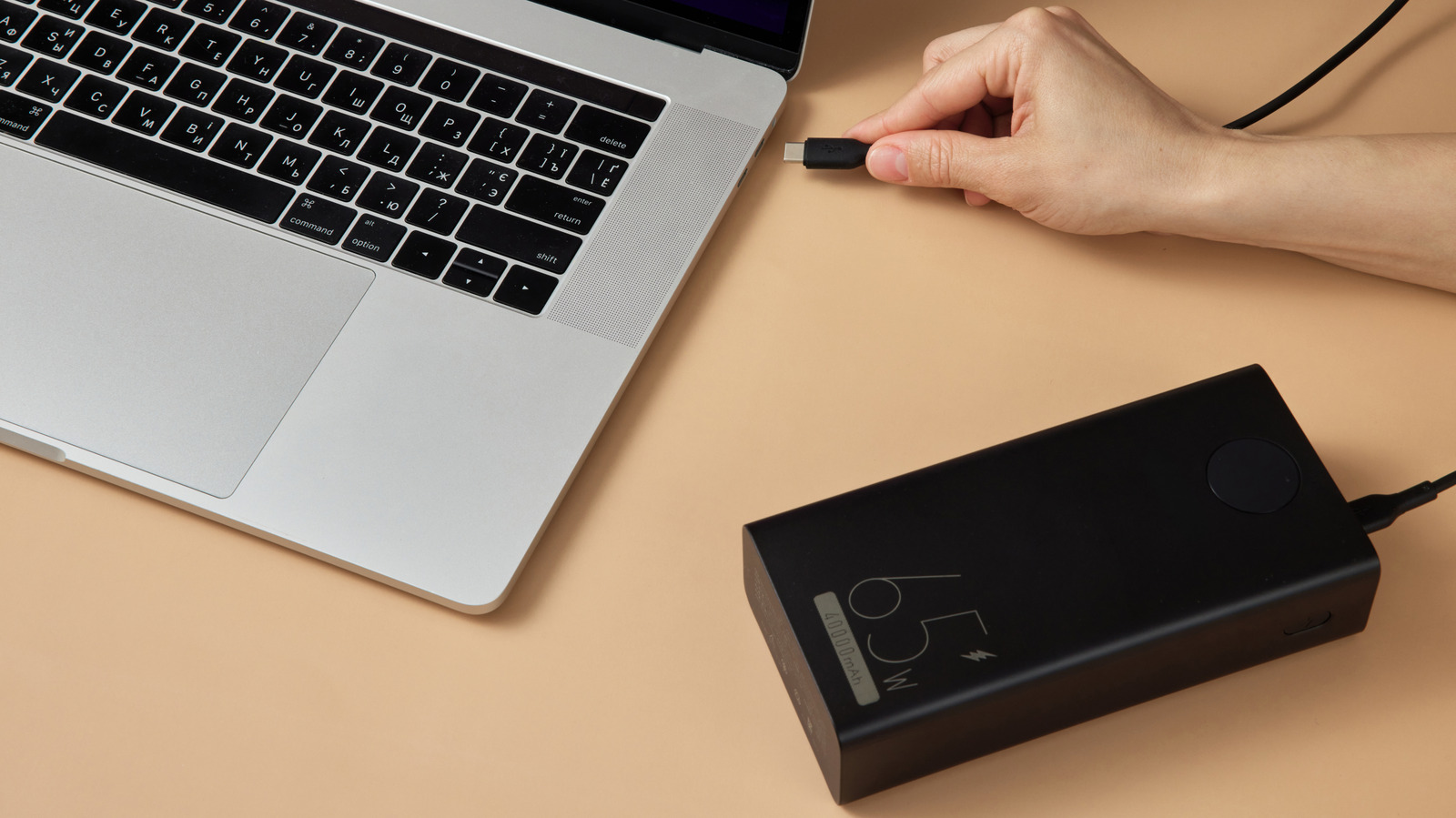
Choosing the right power bank for a laptop involves more than just looking at the total capacity in milliamp-hours (mAh). While capacity determines ho…