

The article explores the technical challenges and optimizations required to bring high-performance NumPy capabilities to web browsers. As web applications increasingly demand complex data processing and scientific computing, the need for efficient execution of Python-based numerical libraries becomes critical. The author details the implementation of techniques to bridge the gap between native Python performance and the constraints of the browser environment, focusing on WebAssembly and optimized memory management. By reducing the overhead typically associated with running heavy computational tasks in a browser, these improvements enable developers to build more responsive data-driven applications. The piece serves as a technical deep dive into the 'last mile' of performance optimization, offering insights into how modern web technologies are evolving to support professional-grade scientific computing tools directly within the user's browser, thereby expanding the possibilities for client-side data analysis and visualization without relying on server-side processing.
This is a summary. Read the full article at the original source:
Hacker News (YC)Related stories
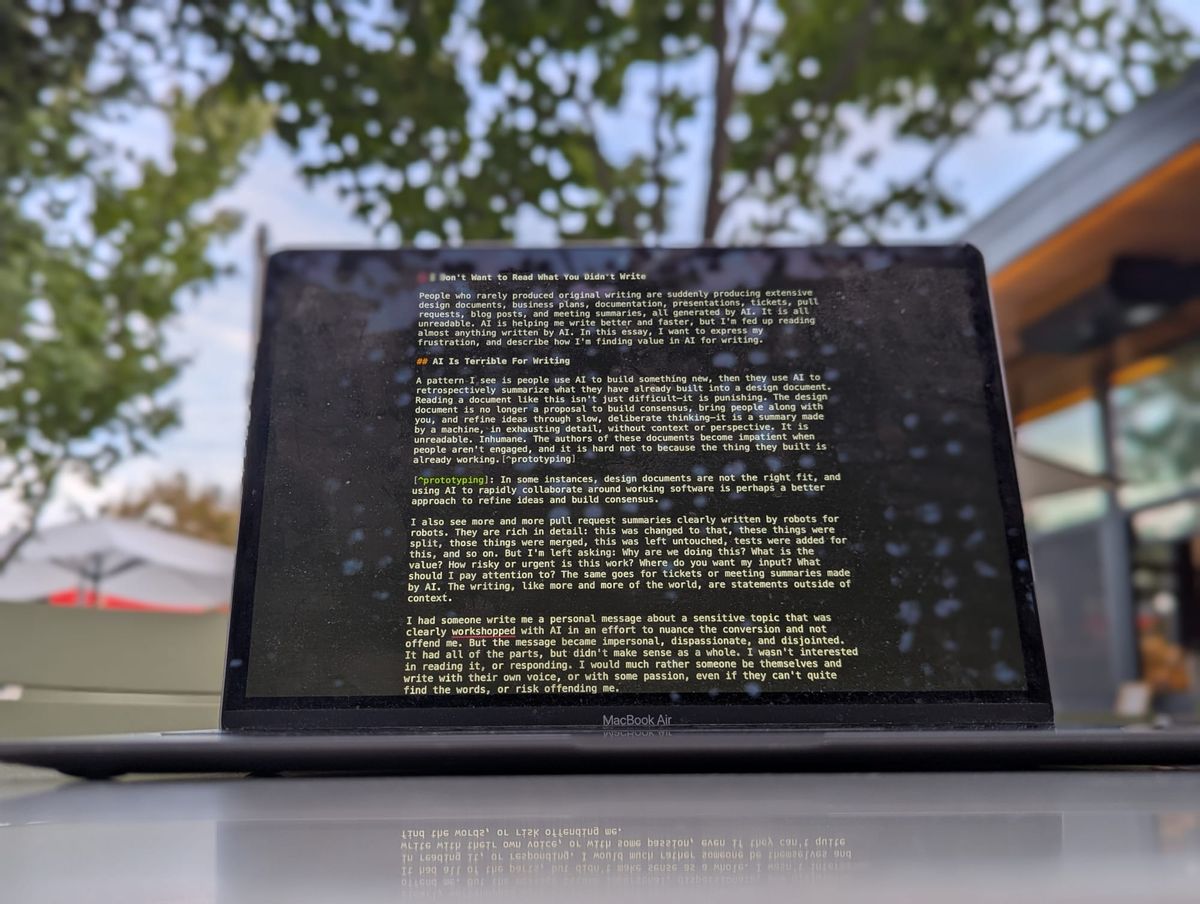
In his recent blog post, Colin Breck addresses the growing trend of using Large Language Models (LLMs) to generate technical content. Breck argues tha…
The creator of the 'Giga Pisar' application, built on Sber's GigaAM speech recognition technology, has summarized the first week following their debut…

This Habr article explores the computer as a fundamental mathematical structure, inviting readers to view computational processes through the lens of…