
Explaining Hall-effect, TMR, and other new types of mechanical switches
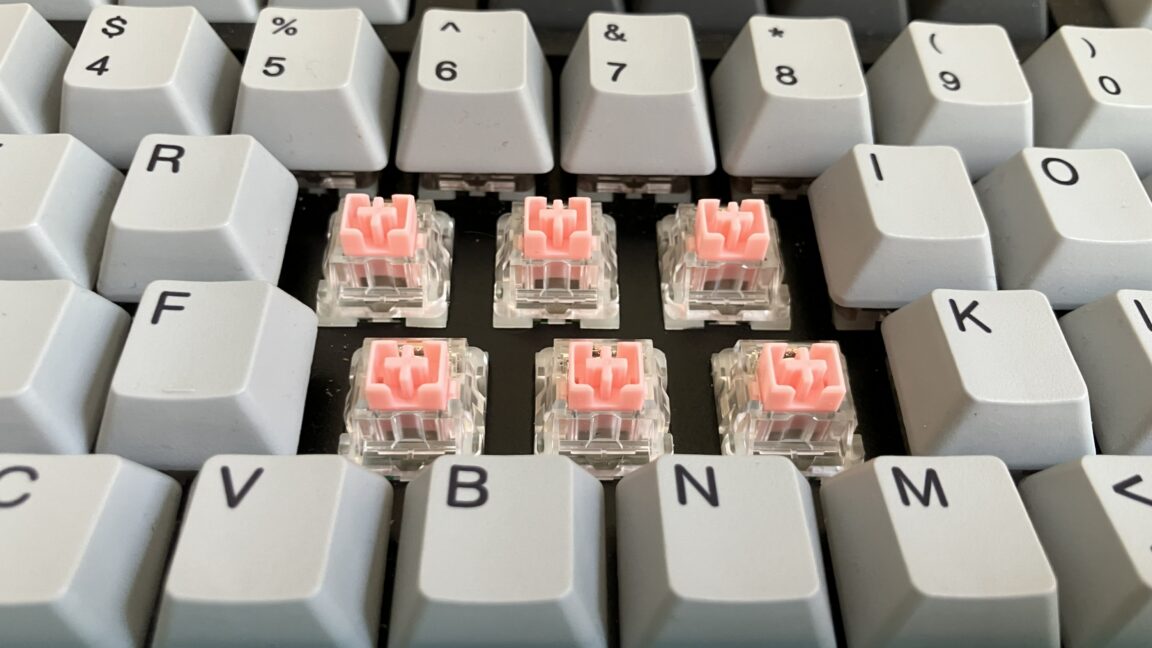
The mechanical keyboard market is undergoing a significant shift as traditional contact-based switches are increasingly replaced by contactless alternatives. Technologies such as Hall-effect and optical switches have gained popularity, particularly among gamers, by promising enhanced durability and performance. Unlike standard mechanical switches that rely on physical metal-to-metal contact, these new designs utilize magnetic or light-based sensors to register key presses. While these innovations often come at a premium price point, their real-world benefits can be subtle for the average user. This guide explores the engineering behind these contactless mechanisms, analyzing how they function and whether their performance advantages justify the higher cost compared to traditional mechanical or membrane keyboards. By examining the underlying physics of Hall-effect and TMR sensors, the article provides a comprehensive overview for consumers deciding whether to upgrade their typing peripherals.
This is a summary. Read the full article at the original source:
Ars TechnicaRelated stories
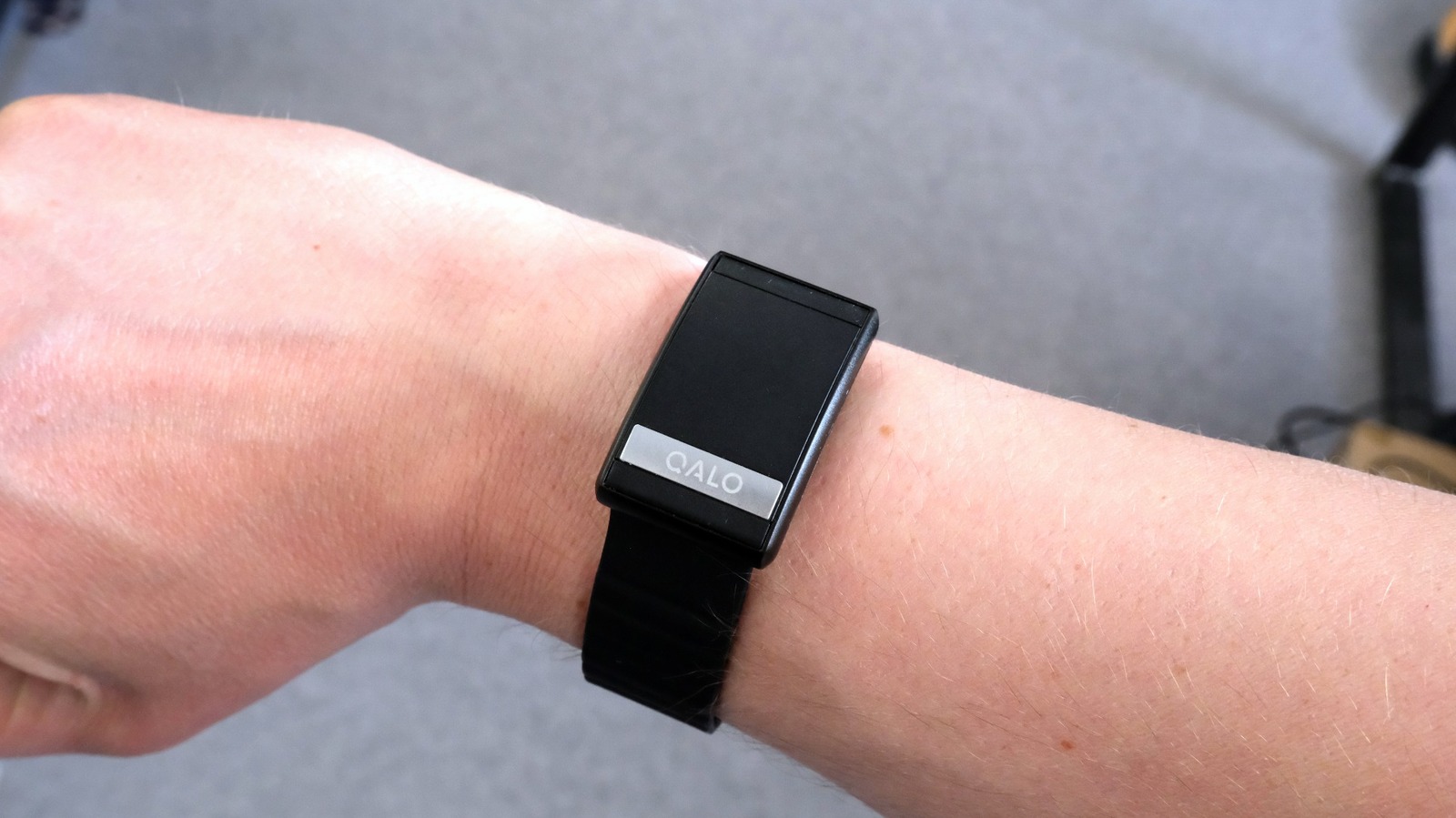
Qalo SL-1 review: A barebones smart band that's priced like a flagship
The Qalo SL-1, the company's first screenless fitness tracker, has entered the market with a design that prioritizes simplicity. However, the device f…

Early Prime Big Deal Days: Top SSD and MicroSD Discounts to Combat Memory Price Hikes
As the global memory crisis, dubbed 'RAMageddon,' continues to drive up costs for storage components, Amazon's upcoming Prime Big Deal Days event on O…

Sony has initiated early discounts on several of its headphone models ahead of Amazon's official Prime Day Big Deals event. Notable offers include the…