
Everything You Know About Political Violence Is Probably Wrong

In a recent excerpt from his book 'Our Own Worst Enemies,' political scientist Robert Pape challenges the prevailing narratives surrounding the rise of political violence. Pape argues that public disagreement regarding the frequency and responsibility for such acts is not merely a product of ideological polarization. Instead, he suggests that the confusion stems from fundamentally competing definitions of what constitutes political violence. By examining how different groups categorize and count these incidents, Pape highlights the difficulty in establishing a consensus on the state of political stability. The excerpt emphasizes that without a standardized framework for defining violence, public discourse remains fractured and prone to misinformation. As political tensions continue to influence digital spaces and social media platforms, understanding these underlying definitional discrepancies becomes essential for researchers and the public alike to navigate the complex landscape of modern political discourse.
This is a summary. Read the full article at the original source:
WiredRelated stories
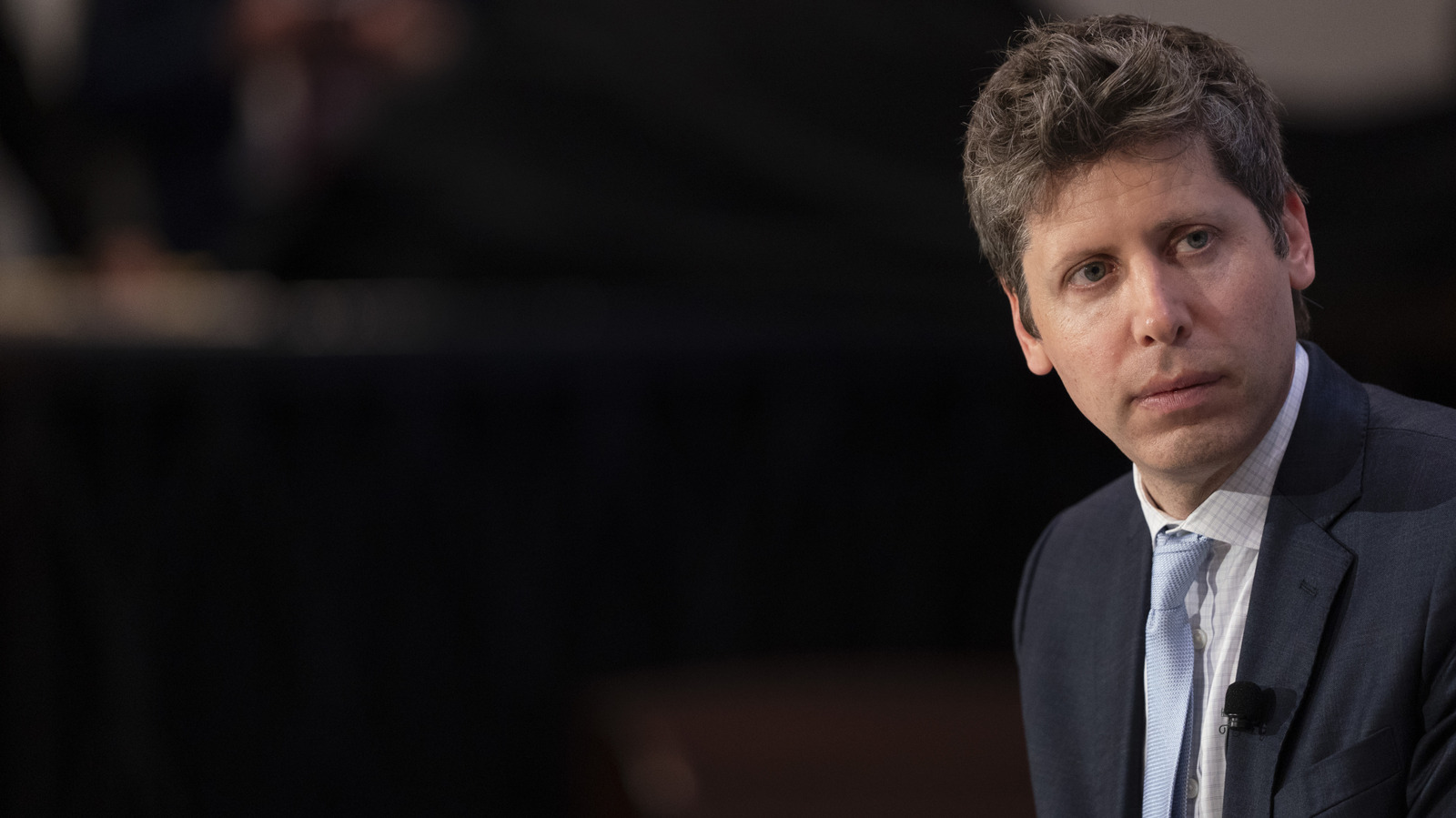
The Canadian province of British Columbia has filed a lawsuit against OpenAI, alleging that the company failed to notify authorities regarding concern…
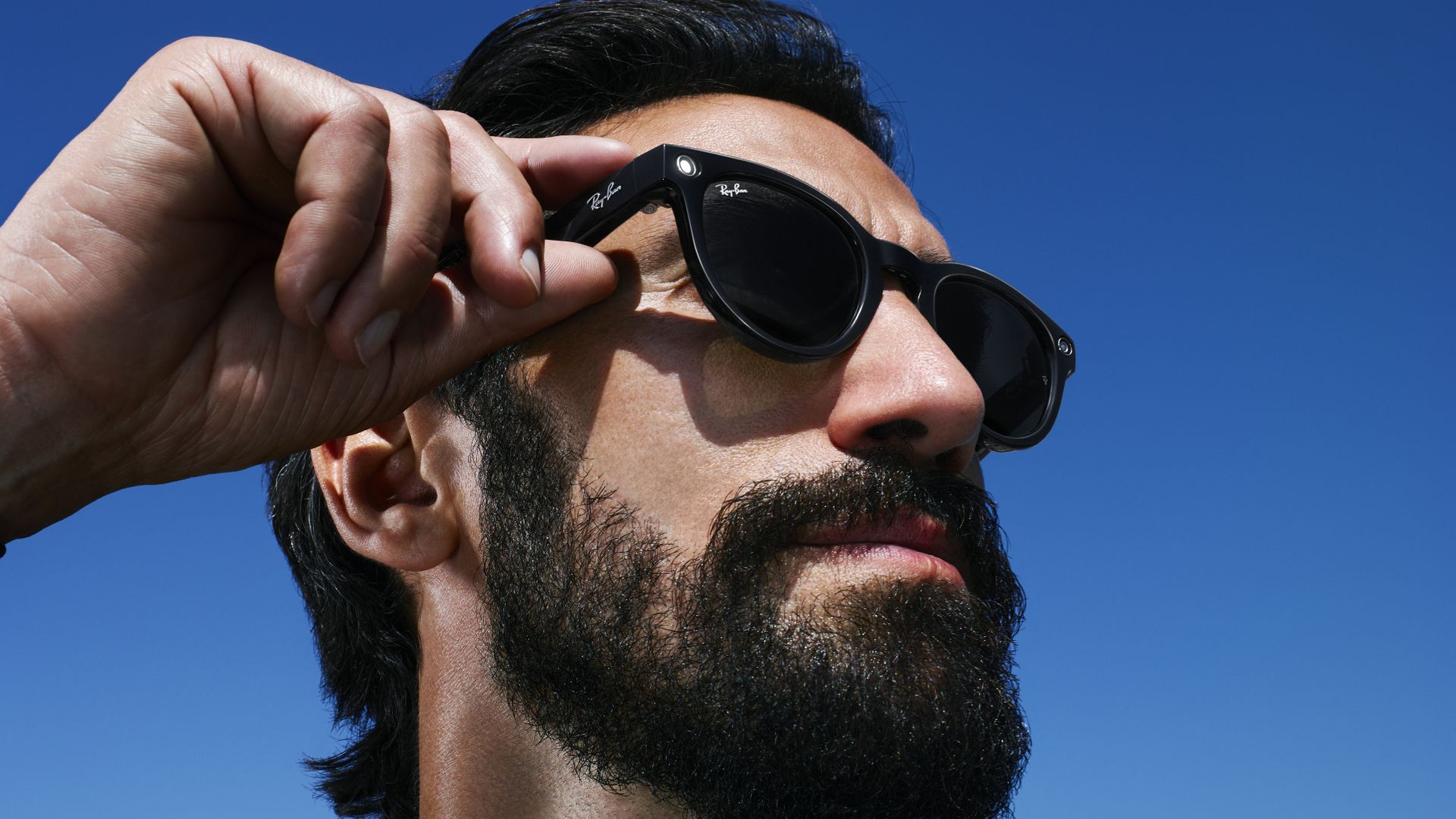
Local government councils across Australia, including the City of Sydney, are implementing bans on smart glasses in public facilities such as pools, g…

Will AI replace humans in court? The Supreme Court of the Russian Federation approved the implementation concept
On September 3, the Supreme Court of the Russian Federation officially approved a concept for integrating artificial intelligence into the judicial sy…