
eGPUs do work, but they come with some notable limitations
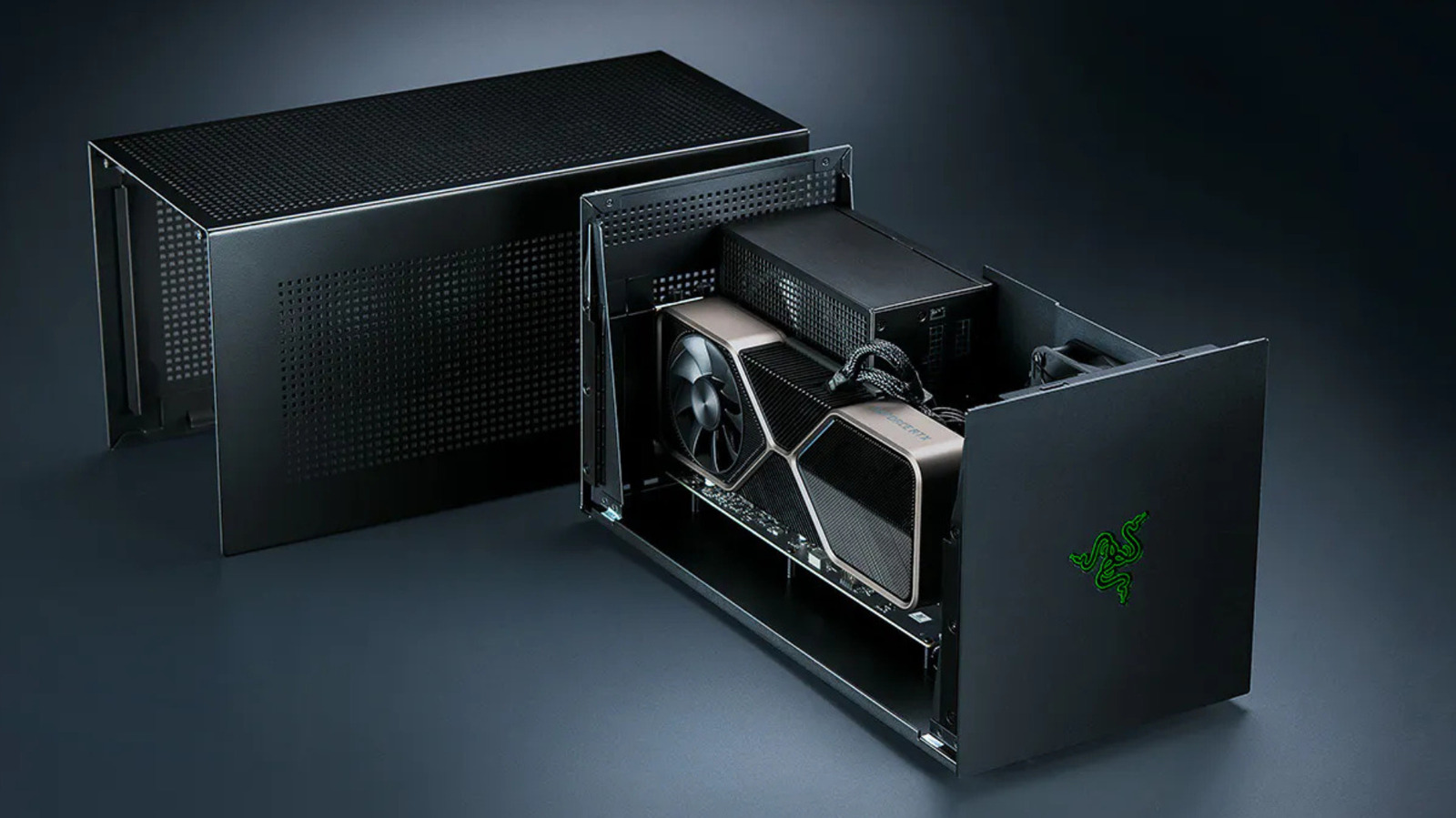
External GPUs (eGPUs) offer a way to boost the graphical performance of laptops by connecting a desktop-class graphics card via Thunderbolt or similar high-speed interfaces. While they provide a path for users to turn portable machines into gaming or creative powerhouses, they are often hindered by significant bottlenecks. Data transfer speeds through external cables cannot match the bandwidth of a direct PCIe slot on a motherboard, leading to performance degradation. Additionally, compatibility issues, driver conflicts, and the high cost of enclosures often make the setup less efficient than intended. For many users, the investment required for an eGPU setup—including the enclosure and the graphics card itself—is better spent on a dedicated gaming PC. While the technology serves a specific niche, it remains a complex and often suboptimal solution for those seeking reliable, high-end graphical performance.
This is a summary. Read the full article at the original source:
EngadgetRelated stories
Laptop fans are essential components designed to dissipate heat and prevent internal hardware from overheating. However, when these fans begin to run…

This article provides a detailed technical overview of the legendary 8-bit Zilog Z80 processor (model Z84C008PEC), which remains relevant nearly 50 ye…

Xiaomi has officially rolled out version 2.6 of its MiMo platform, continuing the company's expansion into integrated smart hardware ecosystems. This…