
Does a VPN protect your privacy when using ChatGPT or Claude?
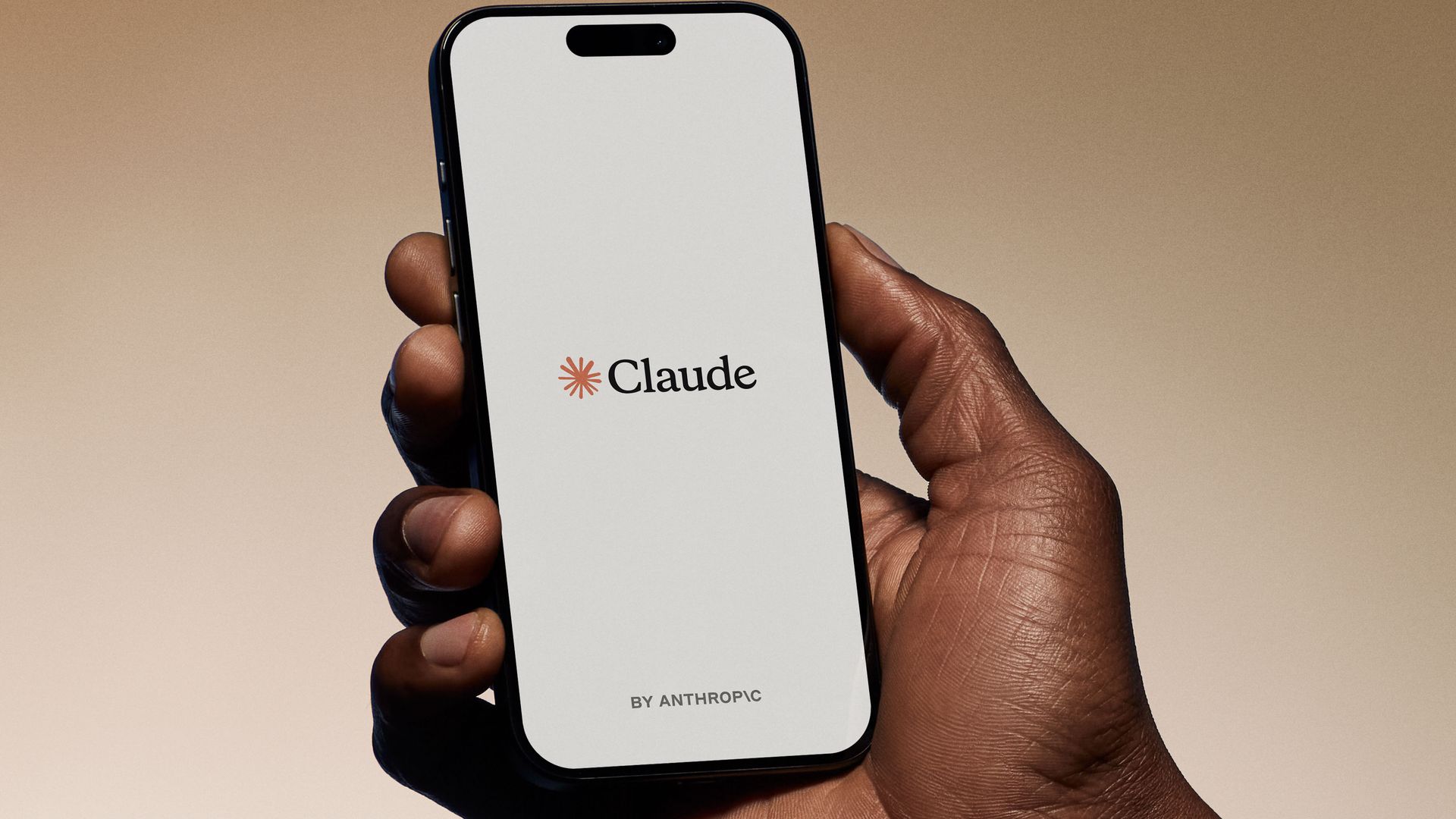
A recent TechRadar report clarifies the limitations of using a VPN while interacting with AI services like ChatGPT and Claude. While a VPN effectively masks a user's IP address and prevents ISPs from monitoring activity, it does not provide end-to-end privacy for the content shared with AI models. Once data reaches the provider's servers, it must be decrypted for processing, meaning the AI company can read, store, and potentially use prompts for model training. The article emphasizes that encryption only secures the transit of data, not the data itself once it is stored on company systems. To enhance privacy, users are advised to manually disable data training settings within their AI accounts, utilize temporary or incognito modes, and avoid inputting sensitive information. Ultimately, while VPNs offer network-level security, they are insufficient for ensuring the confidentiality of the actual conversations held with generative AI platforms.
This is a summary. Read the full article at the original source:
TechRadarRelated stories

Bitwarden, the popular open-source password management solution, has recently addressed community discussions regarding its dual licensing model. The…

Anti-cybercrime initiatives are increasingly leveraging artificial intelligence to turn the tables on scammers. By deploying sophisticated, lifelike b…

How to watch Chelsea vs Bournemouth: Free streams and TV channels for Premier League 2026/27
The Premier League 2026/27 season continues with a match between Chelsea and Bournemouth. As both teams struggle for form, fans are looking for ways t…