
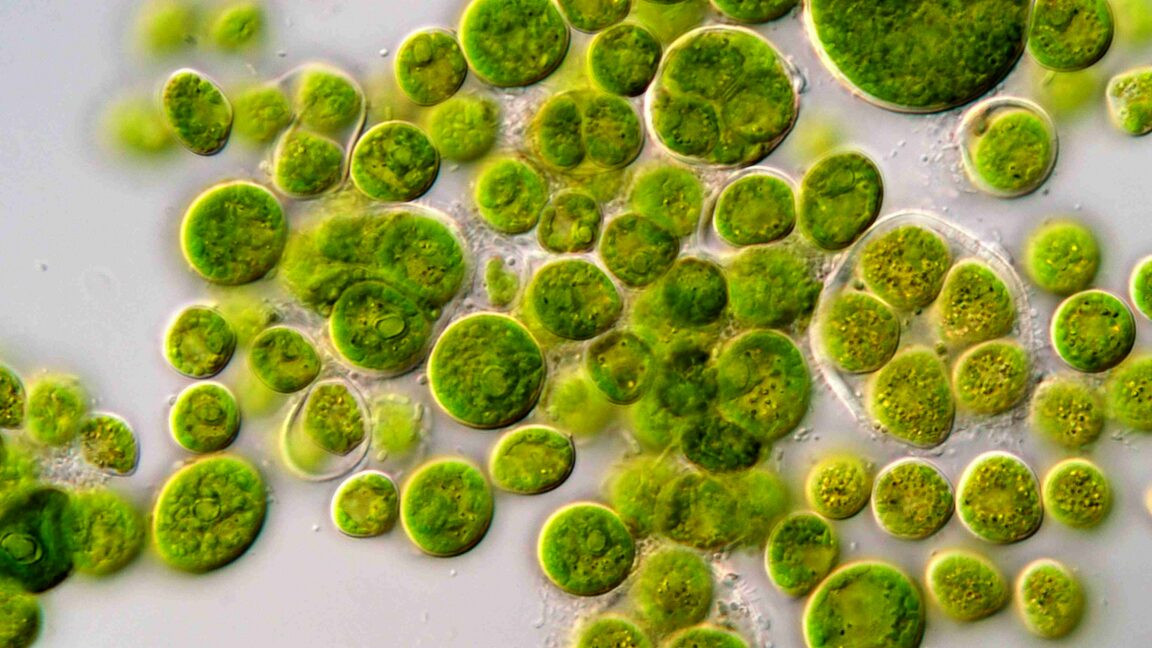
The 2026 Nobel Prize in Physiology or Medicine has been awarded to Karl Deisseroth, Peter Hegemann, and Georg Nagel for their pioneering work in optogenetics. This revolutionary technique allows researchers to precisely control the activity of specific neurons using light. Historically, scientists relied on studying damaged brain tissue or genetic deletion to understand neural functions, methods that were often limited by the brain's ability to adapt or compensate. By utilizing light-sensitive proteins derived from single-celled algae, the laureates developed a way to activate or silence individual nerve cells in an intact brain. This breakthrough has transformed neuroscience, providing a powerful tool to map neural circuits and observe the direct impact of specific cell activity on behavior. The development of optogenetics has opened new avenues for understanding complex brain functions and potential treatments for neurological conditions, marking a significant milestone in modern biological research.
This is a summary. Read the full article at the original source:
Ars TechnicaRelated stories

A recent analysis challenges the long-standing historical narrative that Rosalind Franklin failed to recognize the helical structure of DNA in her fam…

The 2026 Bahrain Grand Prix faced an unusual logistical challenge, relocating to the Sepang International Circuit in Malaysia due to geopolitical inst…

Russian authorities have placed approximately 200 people under medical observation and quarantined several hospitals following the death of Darya Ship…