
Claude Code Session Compaction in 2026: How Context Summarization Works and What Your Agent Forgets

Claude Code manages its 200K token context window using an automated, silent compaction process that triggers at approximately 160K tokens. This mechanism preserves recent interactions and system prompts while condensing middle-session history into a prose summary, often discarding critical reasoning chains, rejected approaches, and edge-case discoveries. This loss of context can lead to agent drift, where the model forgets constraints or previously established architectural decisions. To maintain long-term coherence, developers are advised to externalize critical state into persistent artifacts like decision logs or constraint manifests. Furthermore, manual compaction allows for more granular control over retention policies, ensuring that vital information survives the summarization process. By monitoring compaction events via the API and adopting structured documentation practices, engineers can mitigate the risks of silent context loss and ensure their AI agents remain reliable throughout extended development sessions.
This is a summary. Read the full article at the original source:
Dev.toRelated stories
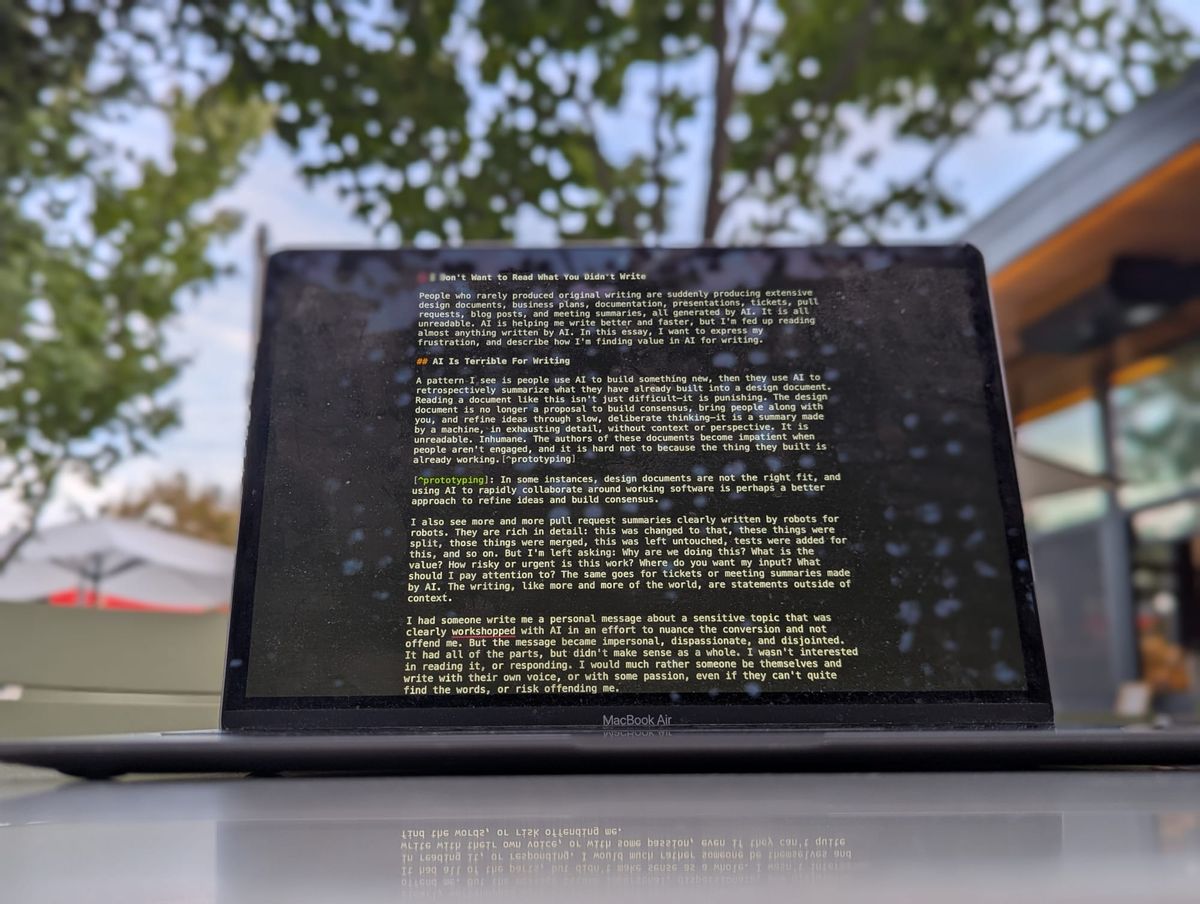
In his recent blog post, Colin Breck addresses the growing trend of using Large Language Models (LLMs) to generate technical content. Breck argues tha…
The creator of the 'Giga Pisar' application, built on Sber's GigaAM speech recognition technology, has summarized the first week following their debut…

This Habr article explores the computer as a fundamental mathematical structure, inviting readers to view computational processes through the lens of…