
Chemistry Nobel goes to reactions like those that gave life a hand
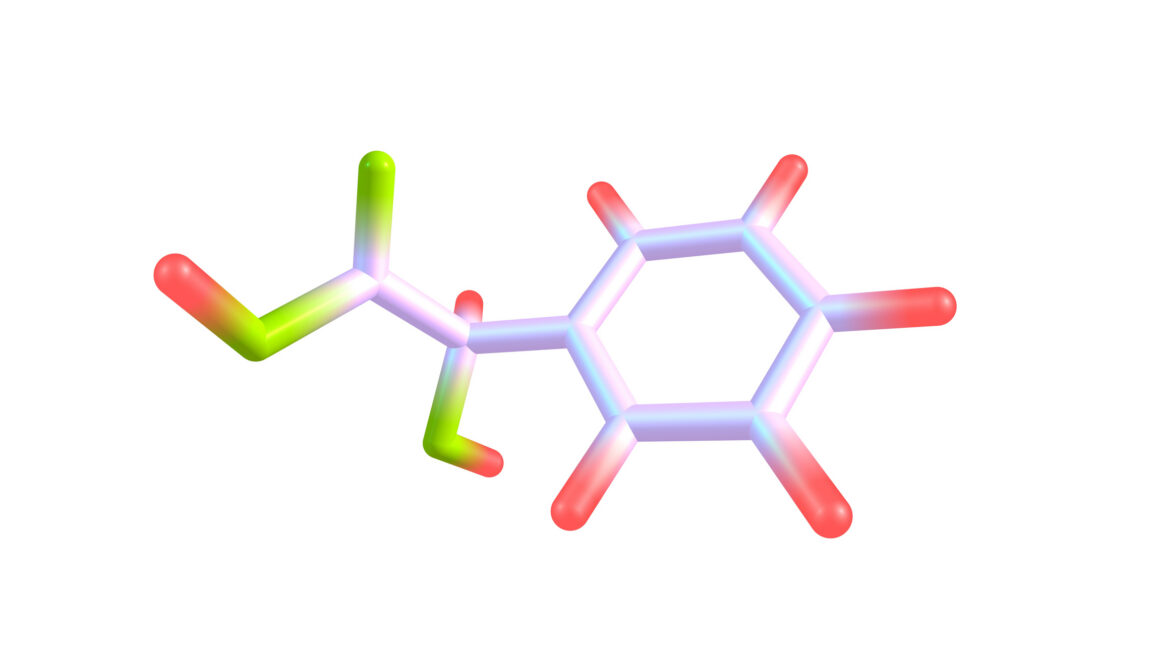
The 2026 Nobel Prize in Chemistry has been awarded to Henri Kagan and Kenso Soai for their groundbreaking work on molecular chirality. Life is inherently selective, relying on molecules with specific 'handedness'—mirror-image structures that are chemically identical yet functionally distinct. While most chemical processes naturally produce a balanced 50-50 mixture of these forms, biological systems exclusively utilize one. This phenomenon has long puzzled origin-of-life researchers, who struggle to explain how early Earth transitioned from a racemic mixture to the homochiral state required for life. Kagan and Soai’s research demonstrated that chemical reactions can be biased to produce significant excesses of one specific mirror-image form. Their discovery provides a critical mechanism for understanding how biological molecules achieved the necessary uniformity to support life, bridging a significant gap in our knowledge of prebiotic chemistry and the fundamental building blocks of living organisms.
This is a summary. Read the full article at the original source:
Ars TechnicaRelated stories
A new project titled '11SquaresFormalized' has successfully utilized AI-assisted methods to provide a formal proof for the optimal packing of 11 squar…

The latest edition of MIT Technology Review's 'The Download' highlights significant developments in biotechnology and climate tech. Drugmakers Eli Lil…
NASA is shifting its international cooperation strategy, prioritizing cost-effective partnerships as it focuses heavily on lunar exploration. With the…