

The article revisits Meta's public perception challenges, specifically focusing on the 2021 whistleblower crisis where allegations surfaced regarding Facebook's impact on children's mental health. It highlights CEO Mark Zuckerberg's defensive response, where he addressed Meta staff to dispute the characterization of the company's motives and safety efforts. The piece serves as a reflection on how Meta attempts to reshape its corporate narrative amidst ongoing scrutiny. By examining these past controversies, the author explores whether it is possible for the public to separate their established feelings about the company from its current technological pivots, such as its focus on AI and smart glasses. The narrative underscores the persistent tension between Meta's ambitious product roadmap and the historical baggage of its social media platforms, questioning if the company can truly move past its reputation to define a new future.
This is a summary. Read the full article at the original source:
The VergeRelated stories

A recent study from the University of Bristol examines the commercial saturation of the upcoming FIFA World Cup 26. Researchers analyzed the broadcast…
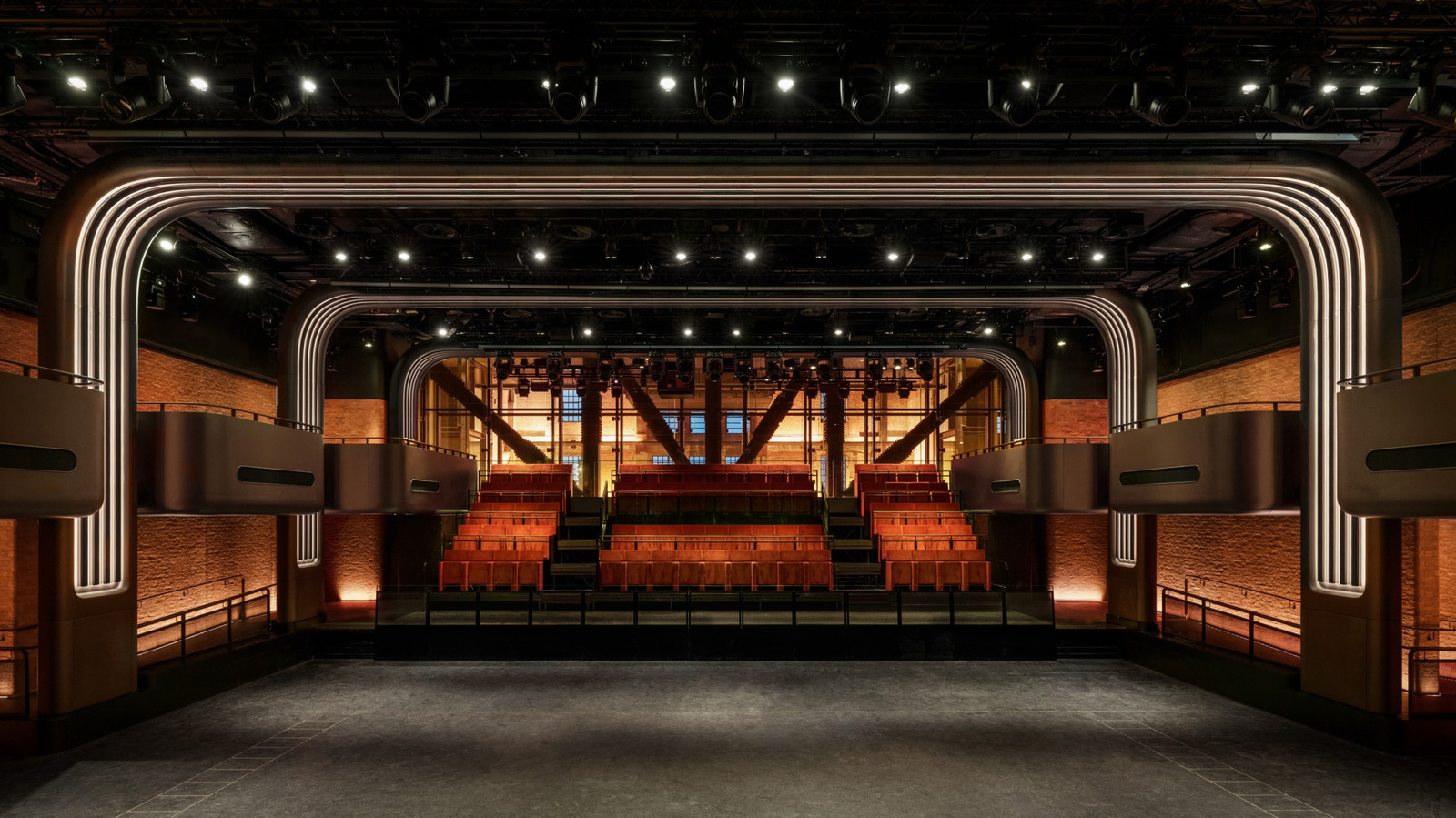
Apple opens a dedicated concert venue with spatial audio and multi-cam video recording
Apple has officially opened Apple Music Hall in London, a new venue specifically designed to host and record live performances for the Apple Music Liv…

Apple’s first live music venue is opening beneath its UK headquarters
Apple is set to launch its first dedicated live music venue, Apple Music Hall, located directly beneath its European headquarters at the Battersea Pow…