
Artificial beaver dams increase juvenile coho salmon survival rates from 8% to 60%
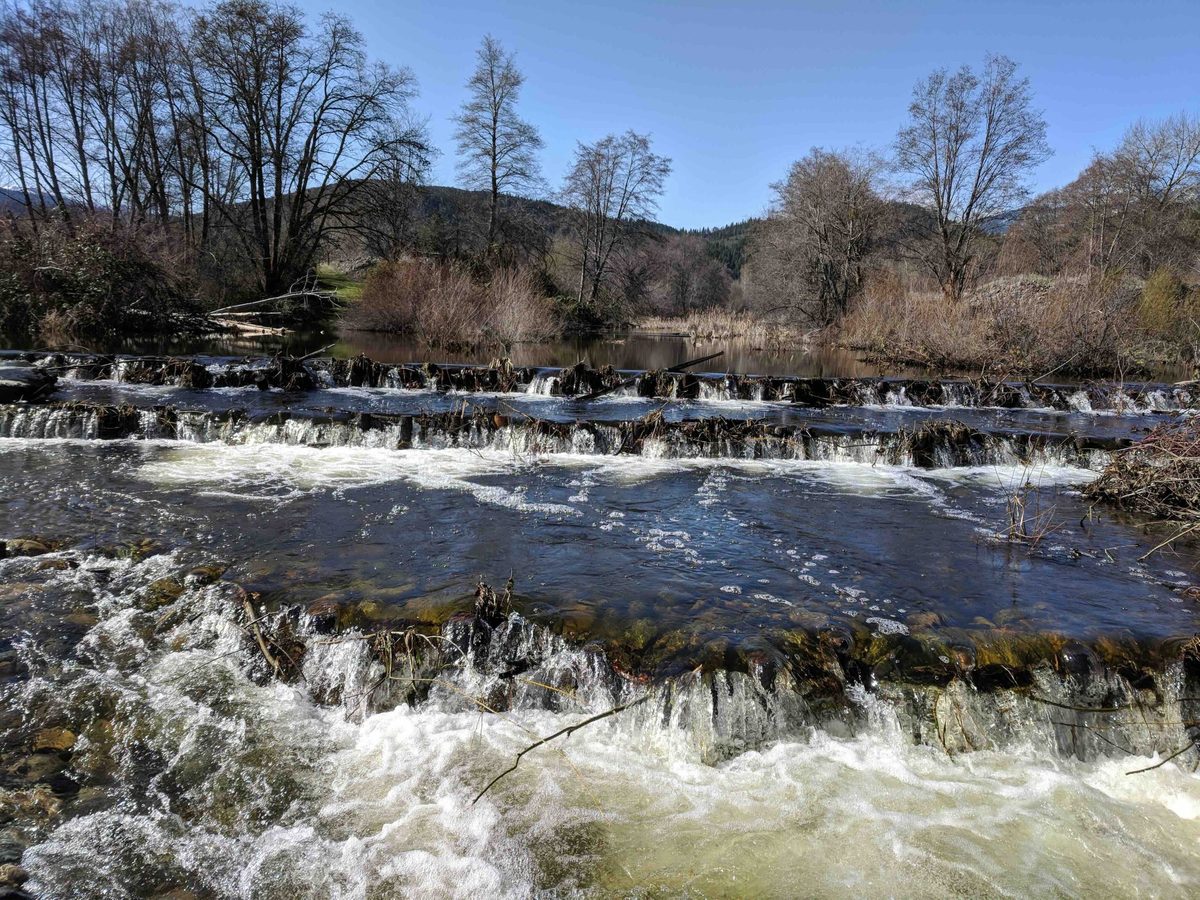
Conservationists in California are utilizing nature-based solutions to combat the decline of juvenile coho salmon populations. By constructing artificial beaver dams, researchers have successfully restored critical habitats that provide refuge and food for these endangered fish. These structures mimic the natural engineering of beavers, slowing water flow and creating deep, cool pools that are essential for salmon survival during dry seasons. Recent data indicates a dramatic improvement in survival rates, which surged from 8% to 60% in treated areas. This project highlights the effectiveness of low-cost, ecological interventions in climate resilience and biodiversity restoration. As water scarcity becomes a growing concern, such initiatives offer a scalable model for river ecosystem management, demonstrating that simple, nature-inspired engineering can yield significant environmental benefits for threatened species in the face of changing climate conditions.
This is a summary. Read the full article at the original source:
Hacker News (YC)Related stories

Tesla Cybercab features hidden virtual joystick for manual control
Tesla's newly unveiled Cybercab, a vehicle famously designed without a steering wheel or pedals, has been found to contain a secret manual control int…

Google’s revived nuclear power plant receives $1.9B loan from U.S. government
The U.S. Department of Energy has finalized a $1.9 billion loan for the revival of a nuclear power plant in Iowa, a project central to Google's strate…

AlphaGeo has released a new analysis evaluating the climate resilience of the world's largest metropolitan areas. The report utilizes geospatial data…