
An experimental tour-de-force: Entanglement between glass bead and light
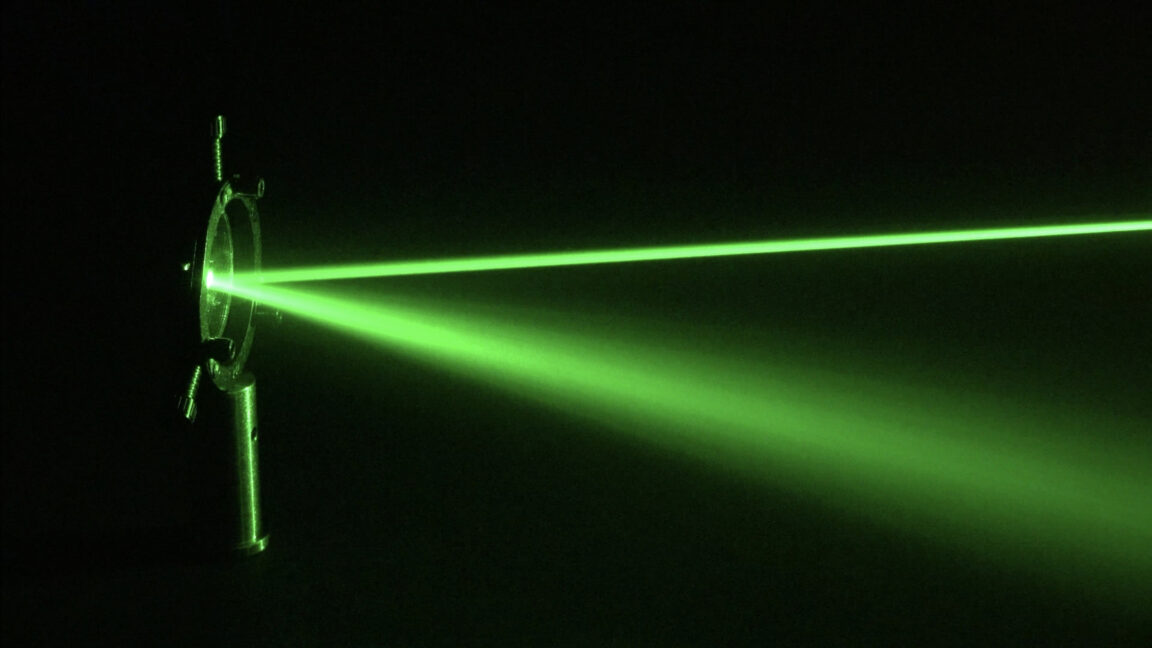
Researchers have achieved a significant milestone in quantum physics by successfully entangling a beam of light with a microscopic glass bead. This experiment demonstrates that quantum correlations, typically observed between subatomic particles like photons, can be extended to larger, macroscopic objects. By linking the behavior of the light beam to the physical state of the glass bead, the team has opened new possibilities for developing quantum memories and advanced sensors. The study addresses the challenge of maintaining quantum states in larger systems, moving beyond the traditional view that entanglement is limited to isolated particles. While the researchers emphasize that entanglement is essentially a correlation of behaviors rather than a mysterious phenomenon, this achievement represents a major step forward in experimental physics, potentially paving the way for more robust quantum information systems that bridge the gap between the quantum and classical worlds.
This is a summary. Read the full article at the original source:
Ars TechnicaRelated stories

The Habr article titled 'Parsecs across the galaxy: how distances to stars turn into steps' explores methods for measuring cosmic distances and visual…
Amazon is nearing the launch of its satellite-based broadband internet service, having successfully manufactured its 1,000th satellite. The company ha…

Life Is Asymmetric: The Scientists Who Figured Out Why Won the 2026 Nobel Prize in Chemistry
Henri Kagan and Kensō Soai have been awarded the 2026 Nobel Prize in Chemistry for their groundbreaking work on molecular asymmetry. Their research ad…