
Americans claim they have 'nothing to hide' but refuse to share phone access for any price
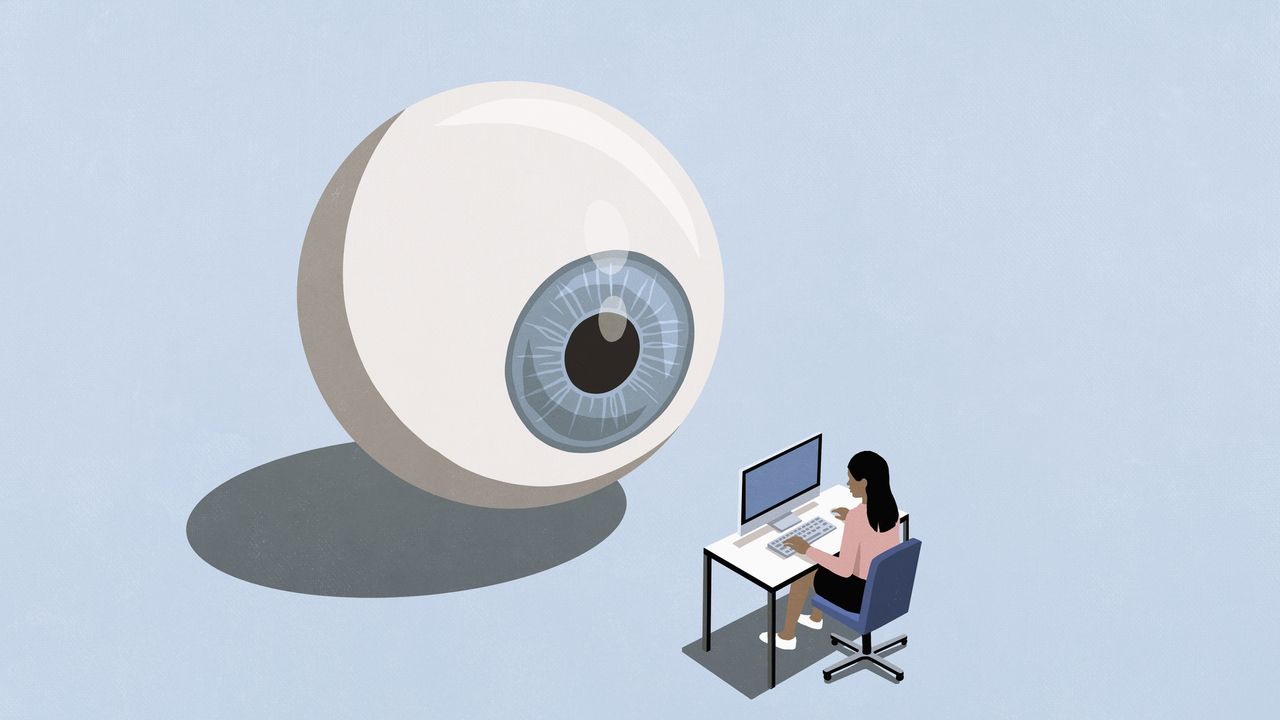
New research from Incogni reveals a significant contradiction in how Americans perceive digital privacy. While nearly half of respondents claim they have 'nothing to hide,' their actual behavior suggests otherwise. The study found that these same individuals are highly protective of their personal devices, with 60% refusing to grant a stranger access to their unlocked phone for any amount of money. Furthermore, those who claim to have nothing to hide are paradoxically more likely to snoop on the devices of family members and partners. Many respondents also employ privacy measures like covering cameras or using fake information online. Incogni suggests that the 'nothing to hide' argument stems from a misunderstanding of privacy, where people fail to recognize the risks associated with data exposure, such as phishing and doxxing, until they are directly confronted with the prospect of losing control over their personal information.
This is a summary. Read the full article at the original source:
TechRadarRelated stories

In an excerpt from Emily St. John Mandel’s latest novel, Exit Party, the narrative explores the precarious nature of identity and surveillance in a hi…

Experts discover zero-click WeChat worm capable of compromising millions of devices
Security researchers from Calif have identified a critical zero-click vulnerability in WeChat’s VoIP stack, which could allow attackers to take over u…

LG Electronics has officially denied allegations that its smart televisions record ambient conversations to facilitate targeted advertising. The state…