
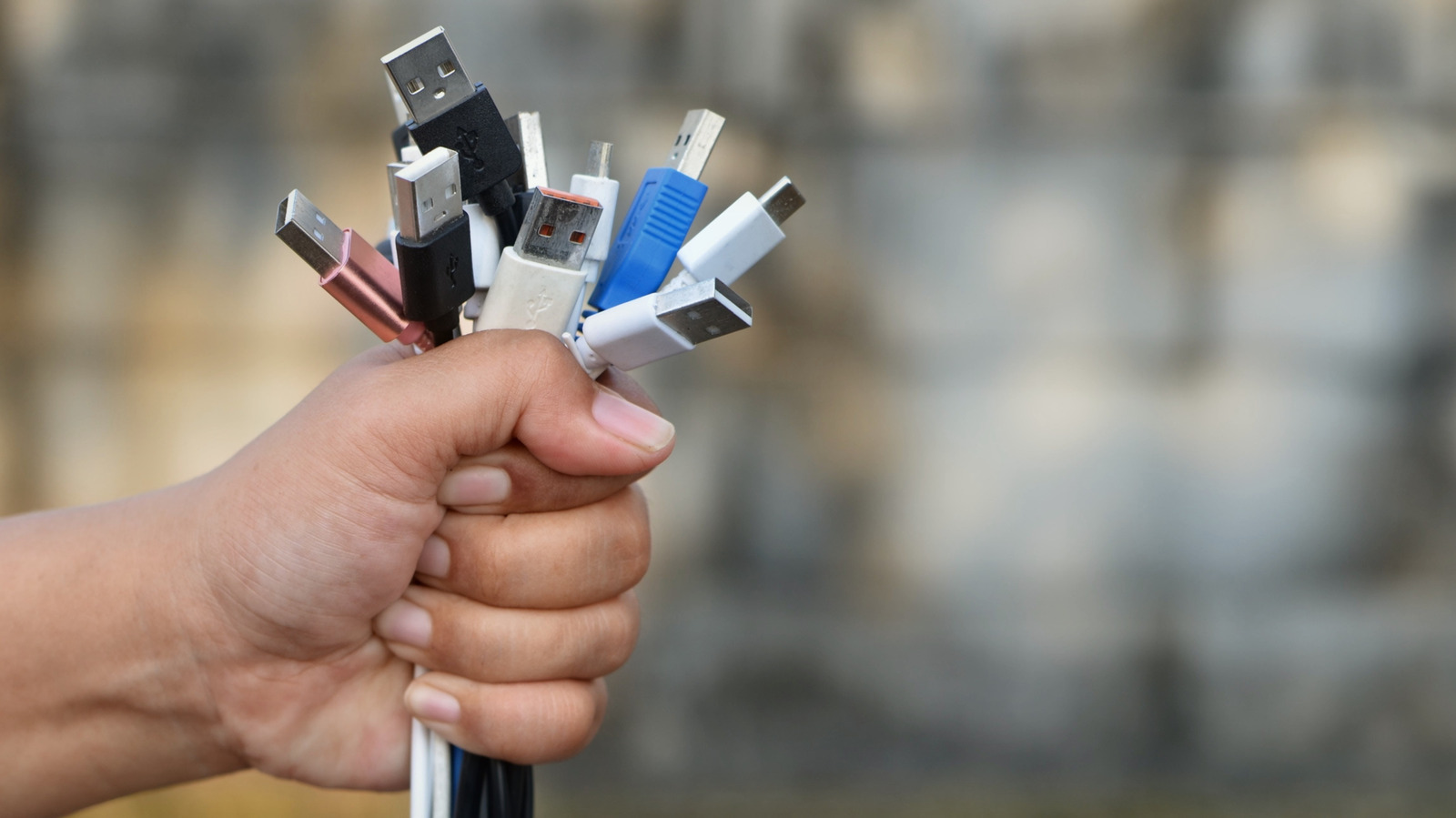
For users who only require connectivity for a limited number of low-power peripherals or a single external monitor, a full-sized docking station may be an unnecessary expense. Modern laptops and tablets often feature versatile USB-C or Thunderbolt ports that can support simpler, more cost-effective solutions. Instead of investing in a bulky, proprietary dock, users can opt for compact USB-C hubs or direct-to-monitor connections. These alternatives provide sufficient bandwidth for basic office setups, mice, keyboards, and external displays without the footprint or cost associated with enterprise-grade docking stations. By assessing individual port requirements, consumers can streamline their workspace and avoid overspending on hardware that exceeds their actual connectivity needs.
This is a summary. Read the full article at the original source:
EngadgetRelated stories

At IFA 2026, RayNeo introduced the iO smart glasses, a camera-free wearable designed to address privacy concerns while maintaining AI-powered function…

A recent report from Engadget warns laptop users to take immediate action if they notice their trackpad shifting or popping out of the chassis. This p…

How to watch Zverev vs Shelton: US Open 2026 Men's Final Live Streams
The 2026 US Open Men's Final features a high-stakes matchup between Alexander Zverev and Ben Shelton at Arthur Ashe Stadium. Zverev, the top seed, aim…