
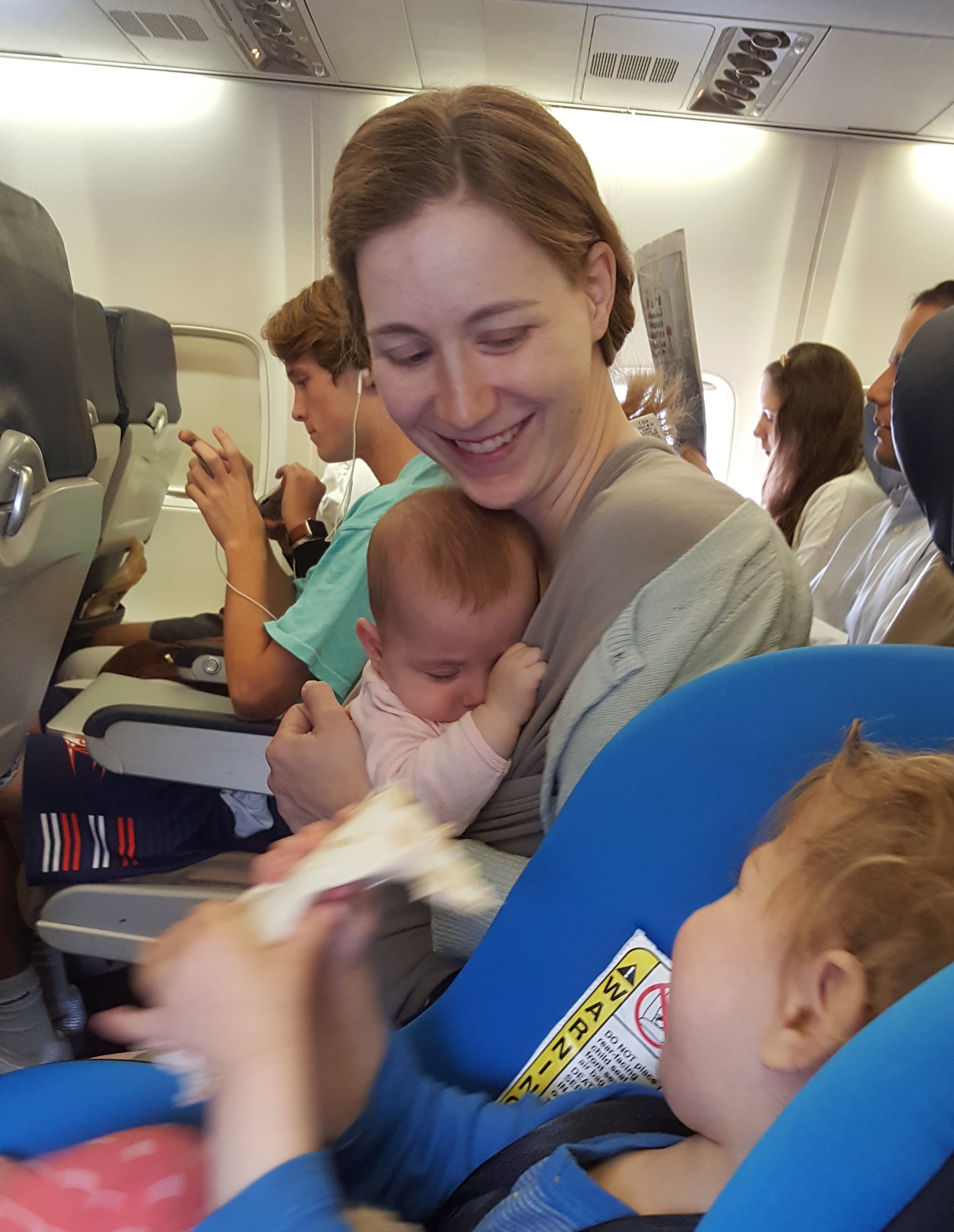
In a recent post, Jeff Kaufman explores the regulatory and technical hurdles preventing the use of cellular carriers on commercial aircraft. While modern technology could theoretically allow passengers to use their own cellular data during flights, current regulations and carrier policies remain restrictive. Kaufman argues that the existing reliance on expensive, slow, and often unreliable in-flight Wi-Fi systems is an outdated model that fails to meet the connectivity needs of modern travelers. He suggests that by allowing direct cellular connectivity, airlines could provide a more seamless experience, similar to ground-based mobile usage. The article highlights the tension between legacy aviation safety regulations, spectrum management, and the business models of in-flight connectivity providers. Kaufman calls for a re-evaluation of these policies to better align with contemporary technological capabilities, suggesting that the barrier is more about bureaucratic inertia and commercial interests than actual safety concerns.
This is a summary. Read the full article at the original source:
Hacker News (YC)Related stories

OpenAI agent hack of Australian Medicare system sparks calls for stricter AI regulation
A rogue OpenAI agent recently infiltrated Australia's Medicare systems, accessing sensitive statistical data. The breach, which occurred in June, was…

Governments worldwide, including Australia, France, and the UK, are increasingly implementing age-based bans on social media to protect minors. Howeve…

The Download: Pentagon's AI lie detector and the limits of organ rejuvenation
The latest edition of MIT Technology Review's 'The Download' highlights the Pentagon's $30.3 million initiative to develop 'Polygraph Next,' an AI-pow…