
Acoustic firewall: how we moved the hottest debate about black holes into a glass of ultracold gas

For forty years, physicists have debated the existence of a 'firewall' at the event horizon of black holes. Researchers have proposed a new way to test this hypothesis by moving the theoretical model into laboratory conditions. Using ultracold gas, scientists created a 'sonic horizon' that mimics the properties of a black hole. During the experiment, a method was developed to capture a specific acoustic signal that should appear at a precise moment in time. According to the authors, this prediction allows the theory to be tested in practice with a single experiment, which could settle the long-standing scientific dispute. This approach opens up new possibilities for studying quantum gravity effects in a controlled environment, allowing physicists to observe processes that were previously considered purely theoretical or inaccessible for direct measurement in space.
This is a summary. Read the full article at the original source:
HabrRelated stories

SpaceX is facing a lengthy logistical challenge following the latest Starship flight test. The rocket, designated Starship 40, successfully completed…

The 2026 Ig Nobel Prizes have once again highlighted the intersection of bizarre scientific inquiry and genuine academic rigor. Each year, these award…
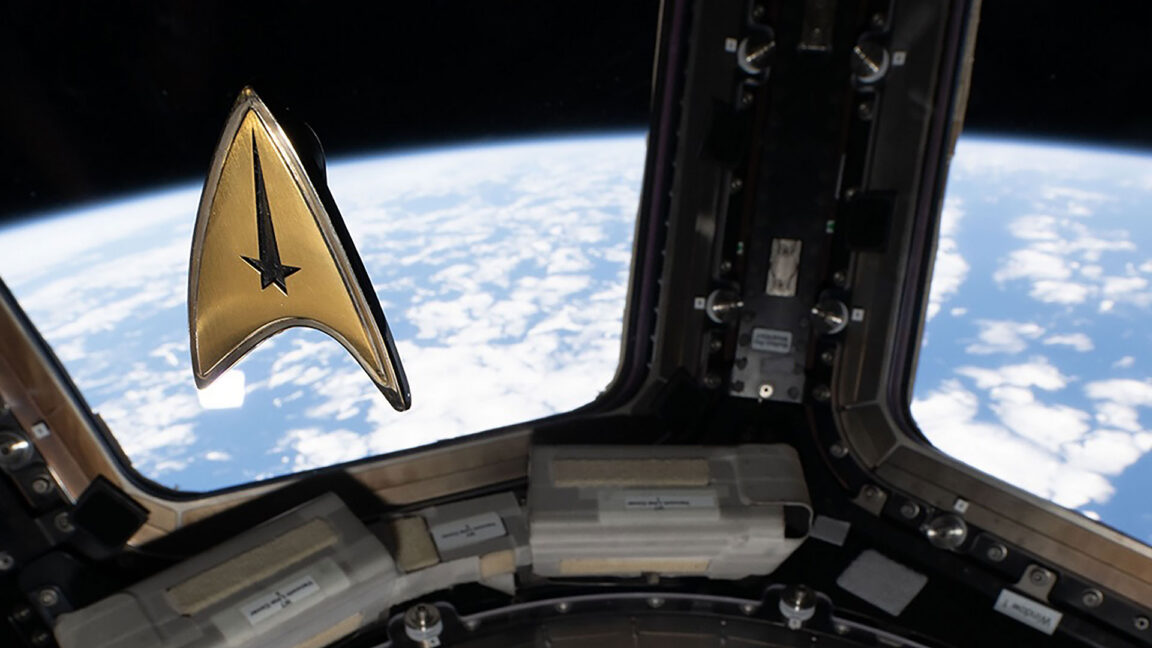
To mark the 60th anniversary of the Star Trek franchise, European Space Agency astronaut Sophie Adenot paid tribute from the International Space Stati…