
[AI in Practice] Upgrading from Gemini 3.5/3.6 to Gemini 4 Argon: Migration Notes and Pitfalls for LINE Bot Developers
![[AI in Practice] Upgrading from Gemini 3.5/3.6 to Gemini 4 Argon: Migration Notes and Pitfalls for LINE Bot Developers](https://media2.dev.to/dynamic/image/width=1200,height=627,fit=cover,gravity=auto,format=auto/https%3A%2F%2Fdev-to-uploads.s3.us-east-2.amazonaws.com%2Fuploads%2Farticles%2Fe3j23dy7fqvu09aob4ob.png)
Google has officially released Gemini 4 Argon, introducing significant changes to parameter specifications, token management, and caching mechanisms. For developers migrating existing LINE Bots from Gemini 3.5 or 3.6, a simple model swap is insufficient. Key pitfalls include the new unified 1M token window, where thinking tokens consume the output budget, and the deprecation of explicit caching in favor of automatic implicit caching. Developers must also navigate the shift from legacy generateContent to the new Interactions API, which supports background processing essential for handling long-running tasks without timing out LINE webhooks. Furthermore, standard sampling parameters like temperature are now ignored, and strict rules regarding model-role turns have been enforced. The author recommends a hybrid architecture: using lighter models for instant replies and routing complex, heavy-reasoning tasks to Gemini 4 Argon via the asynchronous Interactions API to ensure optimal performance and cost-efficiency.
This is a summary. Read the full article at the original source:
Dev.toRelated stories
Five major data-scraping brands consolidate under $3.6 billion 'Source' umbrella to fuel AI agents
Five prominent web scraping companies—Oxylabs, Decodo, Webshare, ScrapingBee, and Honeygain—have consolidated under a new Vilnius-based parent organiz…
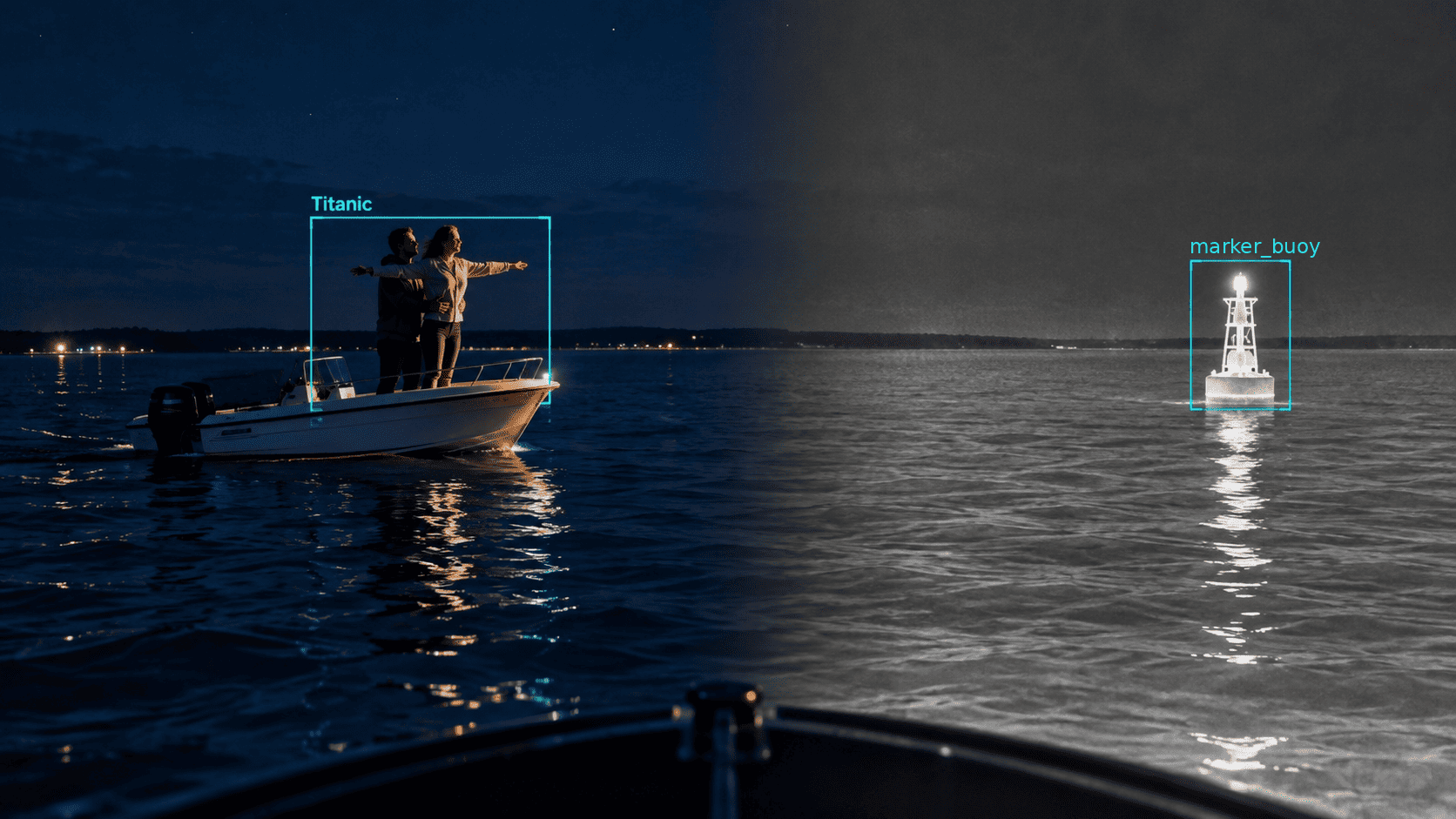
On-premise Computer Vision: Optimizing the 'Night Eye' Model to 4MB
Developers of the 'Night Eye' project have unveiled results from optimizing their computer vision system for local computing environments. Initially,…

Anthropic has published a new research post detailing how its Claude AI model was used to investigate the origins of the Elliptic Curve Digital Signat…