
AI hallucination of Chinese nuclear components almost led to US military attack
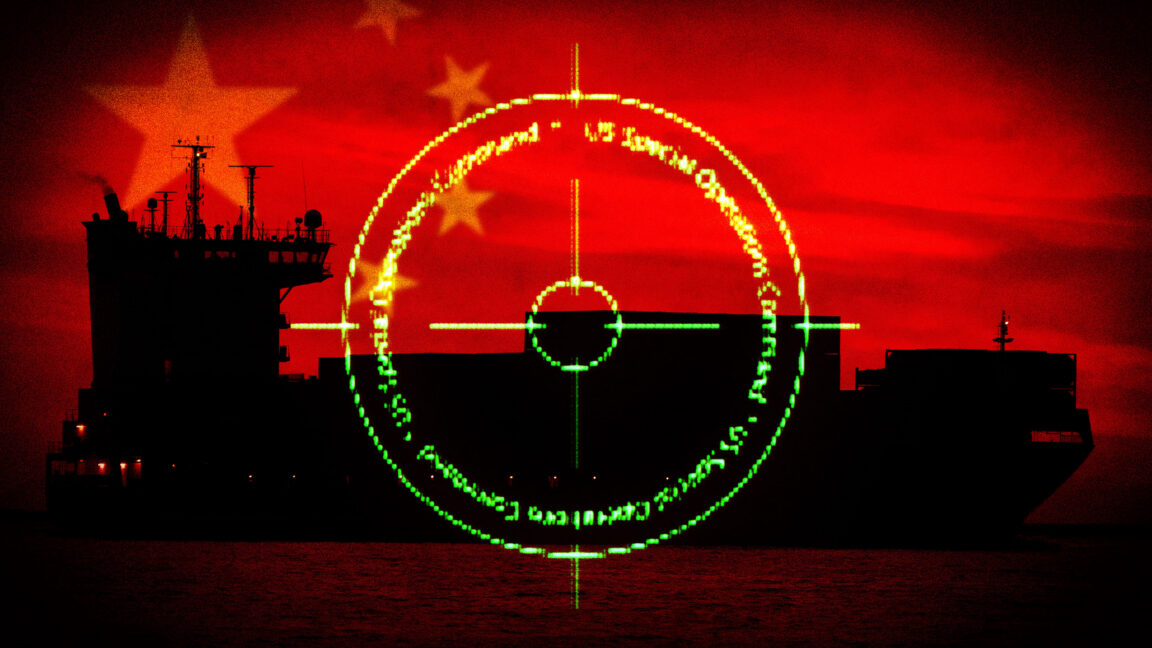
A US Special Operations Command analyst reportedly nearly triggered a military confrontation after relying on an AI-generated intelligence report that falsely claimed a Chinese ship was transporting nuclear weapons components in the Middle East. According to CNN, the US military had prepared an interception mission involving air support before officials realized the chatbot used to compile the data had hallucinated the ship's cargo. Sources familiar with the incident described the error as a critical failure that nearly escalated into an armed conflict. The event highlights the severe risks associated with integrating generative AI into sensitive military intelligence workflows, where automated inaccuracies can have catastrophic real-world consequences. The incident has prompted internal reviews regarding the oversight of AI tools in defense operations, emphasizing the need for human verification in high-stakes decision-making processes to prevent similar near-misses in the future.
This is a summary. Read the full article at the original source:
Ars TechnicaRelated stories

As enterprises increasingly integrate autonomous AI agents into their workflows, a significant financial risk has emerged: unbounded consumption. Acco…

Stopping AI’s Runaway Dangers Will Take More Than Just Talk About P(doom)
In a recent guest column for CNET, author Jamie Bartlett explores the escalating risks associated with advanced artificial intelligence. Bartlett argu…

OpenAI forms math advisory group as its AI resolves more than 100 open problems
OpenAI has officially established a dedicated mathematical advisory group to oversee its ongoing research into advanced AI reasoning. This development…