

The prospect of a flying Tesla Roadster 2 has sparked significant discussion regarding the intersection of automotive innovation and aviation regulation. While Elon Musk has teased the possibility of the vehicle utilizing SpaceX cold-gas thrusters to achieve short-duration flight, the reality of such a feature faces immense scrutiny from the Federal Aviation Administration (FAA). Experts suggest that the regulatory hurdles for a consumer vehicle capable of leaving the ground are substantial, involving complex safety certifications, airspace management, and crash-test standards that current automotive laws are not equipped to handle. Even if the engineering challenges of integrating rocket technology into a road-legal car are overcome, the legal framework for personal aerial vehicles remains a major obstacle. As Tesla continues to push the boundaries of performance, the aviation industry and government regulators remain skeptical about the feasibility and safety of bringing flight capabilities to the mass-market consumer automotive sector.
This is a summary. Read the full article at the original source:
WiredRelated stories
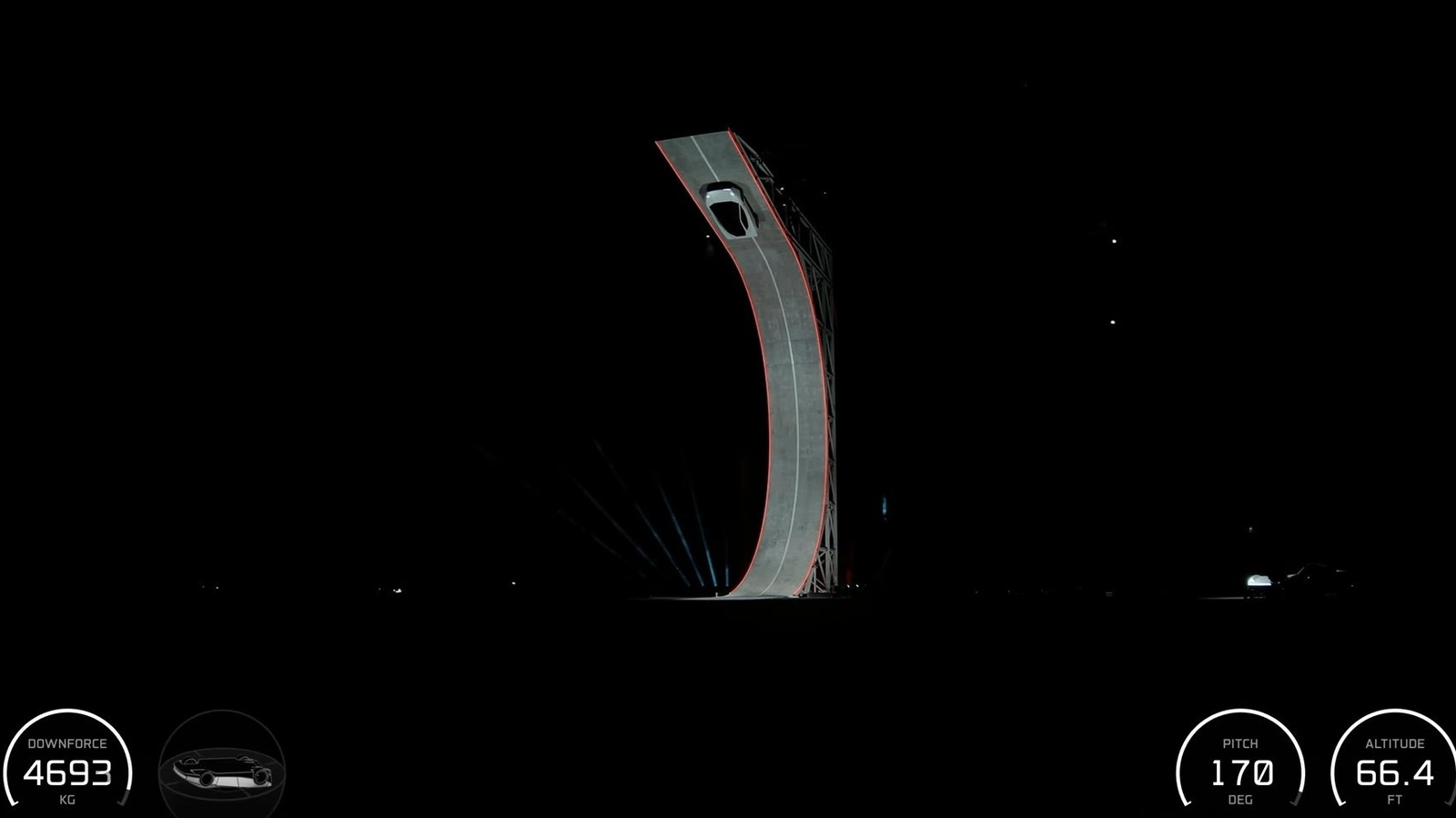
Tesla recently hosted a high-energy event showcasing the capabilities of its upcoming Roadster, leaving attendees and observers impressed by its perfo…

Tesla Roadster demonstrates extreme performance with sub-one-second acceleration
Tesla has showcased its next-generation Roadster at a recent event in Waco, Texas, highlighting the electric supercar's extraordinary capabilities. El…

Tesla has officially unveiled the long-awaited second generation of its Roadster sports car during a high-profile event in Texas. The new vehicle repr…