
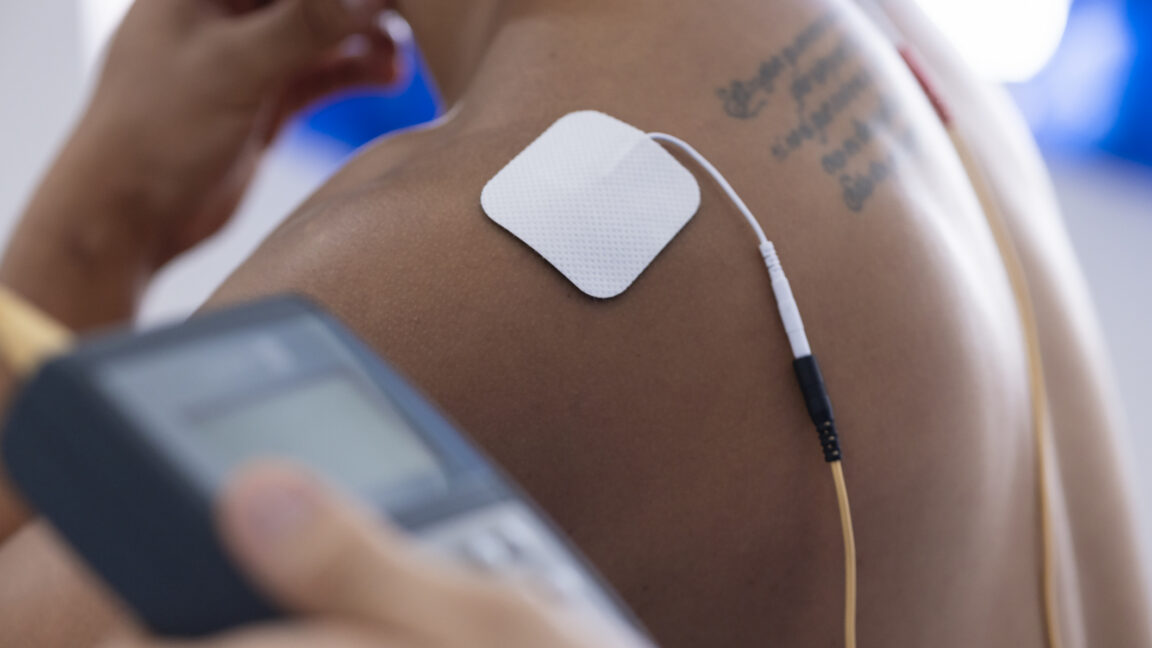
Researchers at Georgia Tech have developed a novel networking system that allows medical implants to communicate directly through human body tissue. Current devices, such as pacemakers and insulin pumps, typically operate in isolation or rely on radio protocols like Bluetooth Low Energy and NFC. According to lead researcher Alex Abramson, these traditional methods are inefficient for in-body use, as they consume significant power and can reduce an implant's battery life by up to 90 percent. By utilizing the body's own tissues to transmit signals, this new approach aims to facilitate seamless coordination between multiple implants without the energy drain associated with radio waves. This breakthrough could significantly improve the functionality and longevity of medical devices, allowing them to remain active and responsive in real-time while maintaining power efficiency. The study highlights a shift toward more integrated, low-power solutions for future biomedical monitoring and treatment systems.
This is a summary. Read the full article at the original source:
Ars TechnicaRelated stories

A fifth unvaccinated individual has died from a measles outbreak in Pennsylvania, as reported by the state's health department. The fatality occurred…

Is Neko Health’s body scan worth it? Spotify billionaire’s startup has come to America
Neko Health, the preventative healthcare startup co-founded by Spotify’s Daniel Ek, has officially expanded its operations to the United States. The c…

Victoria Song, a senior reviewer at The Verge, has launched a new weekly newsletter titled 'Optimizer.' The publication focuses on the growing trend o…