
150 research primates got diarrhea, flooding lab with priceless vaccine data
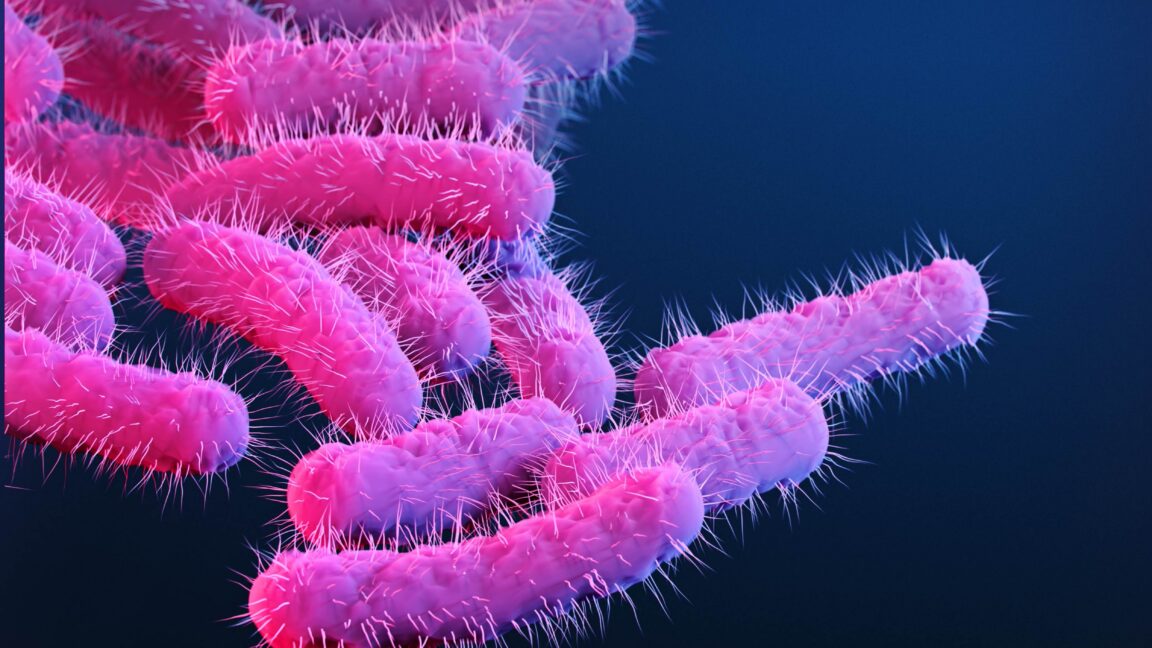
A two-year outbreak of diarrhea among 150 non-human primates at a research facility has unexpectedly yielded significant immunological data. Researchers studying the Shigella bacteria responsible for the infections published their findings in Science Translational Medicine, detailing how the immune system responds to the pathogen. By analyzing the data, scientists identified specific bacterial components that trigger the most effective immune responses. They successfully mapped the precise molecular sites where potent antibodies attach to the bacteria. The study provides critical insights into the immune mechanisms at play during natural infections, offering a new roadmap for the rational design of Shigella vaccines. This accidental dataset serves as a valuable resource for developing future preventative treatments against the disease, marking a notable advancement in vaccine research.
This is a summary. Read the full article at the original source:
Ars TechnicaRelated stories
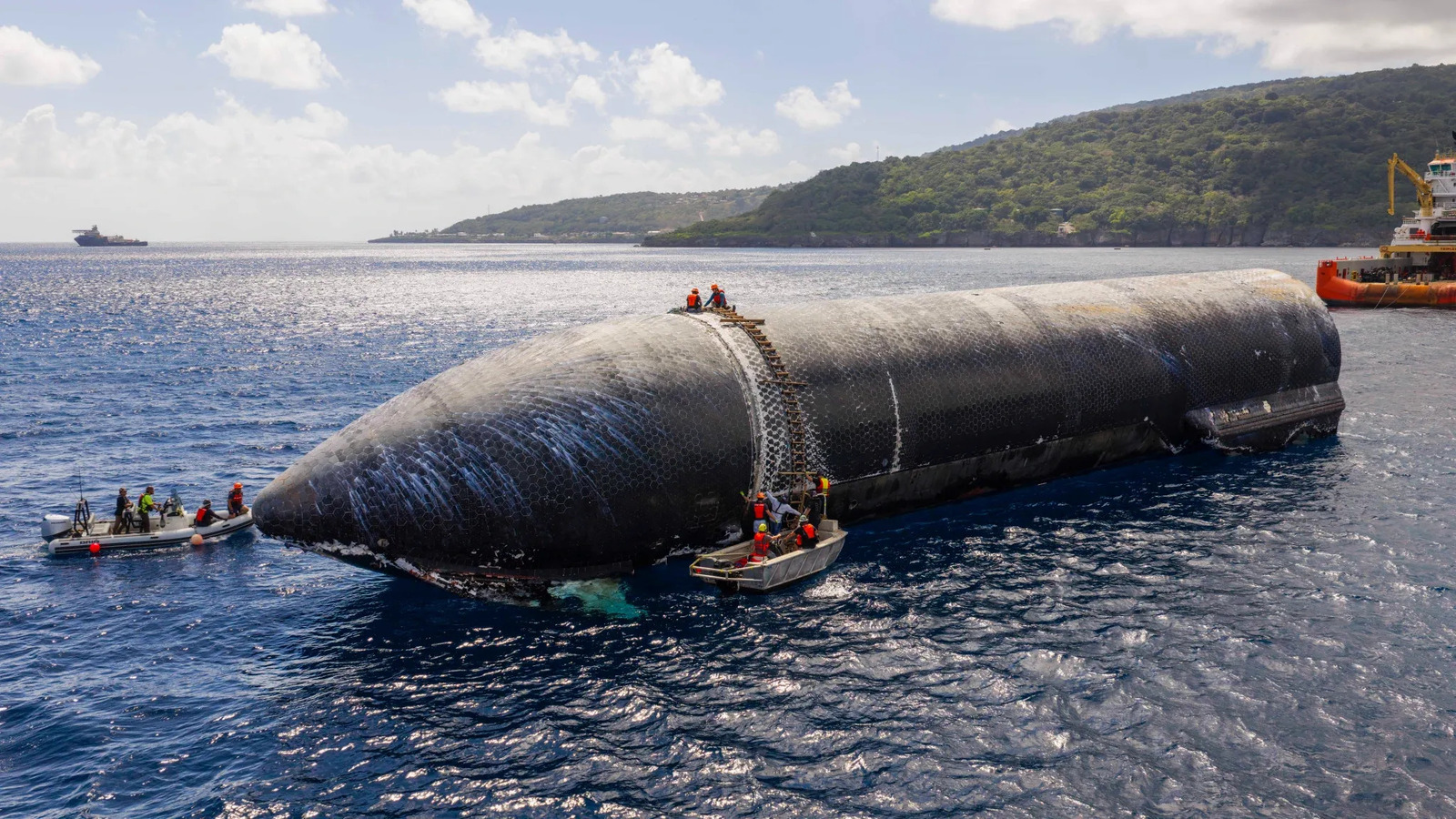
SpaceX is facing a lengthy logistical challenge following the latest Starship flight test. The rocket, designated Starship 40, successfully completed…

The 2026 Ig Nobel Prizes have once again highlighted the intersection of bizarre scientific inquiry and genuine academic rigor. Each year, these award…
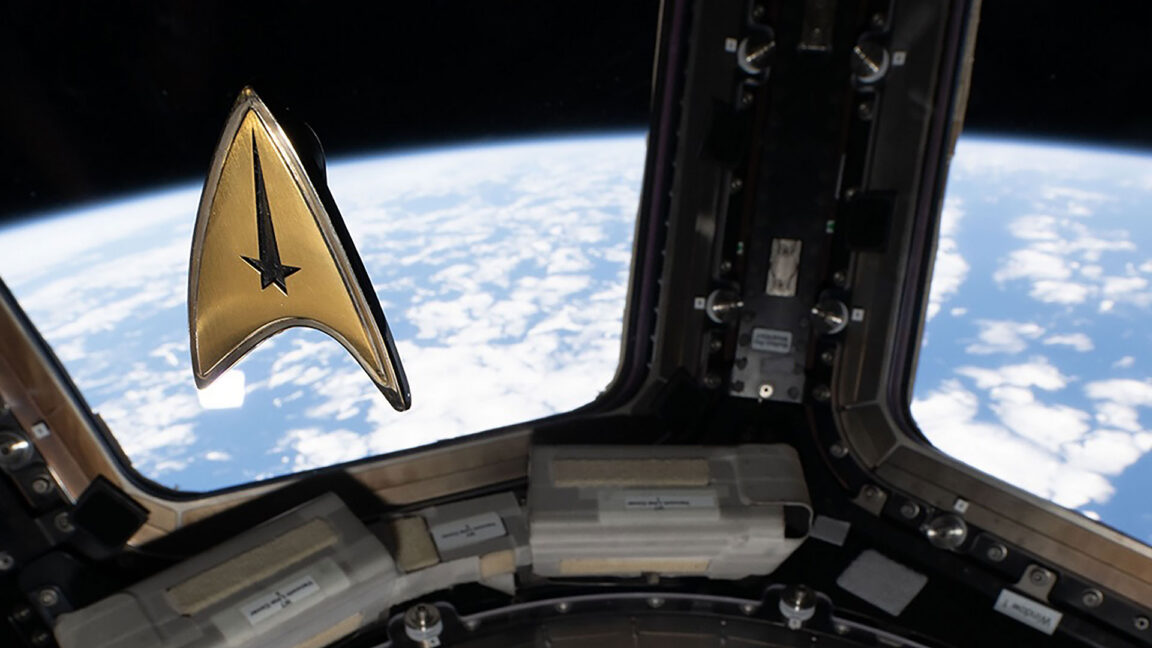
To mark the 60th anniversary of the Star Trek franchise, European Space Agency astronaut Sophie Adenot paid tribute from the International Space Stati…